Apple vs. OpenAI: Trade Secrets, Allegations, and Industry Implications
Apple has filed a lawsuit against a former engineer who allegedly stole trade secrets before joining OpenAI. This unfolding drama raises questions about intellectual property and the tech industry's future.
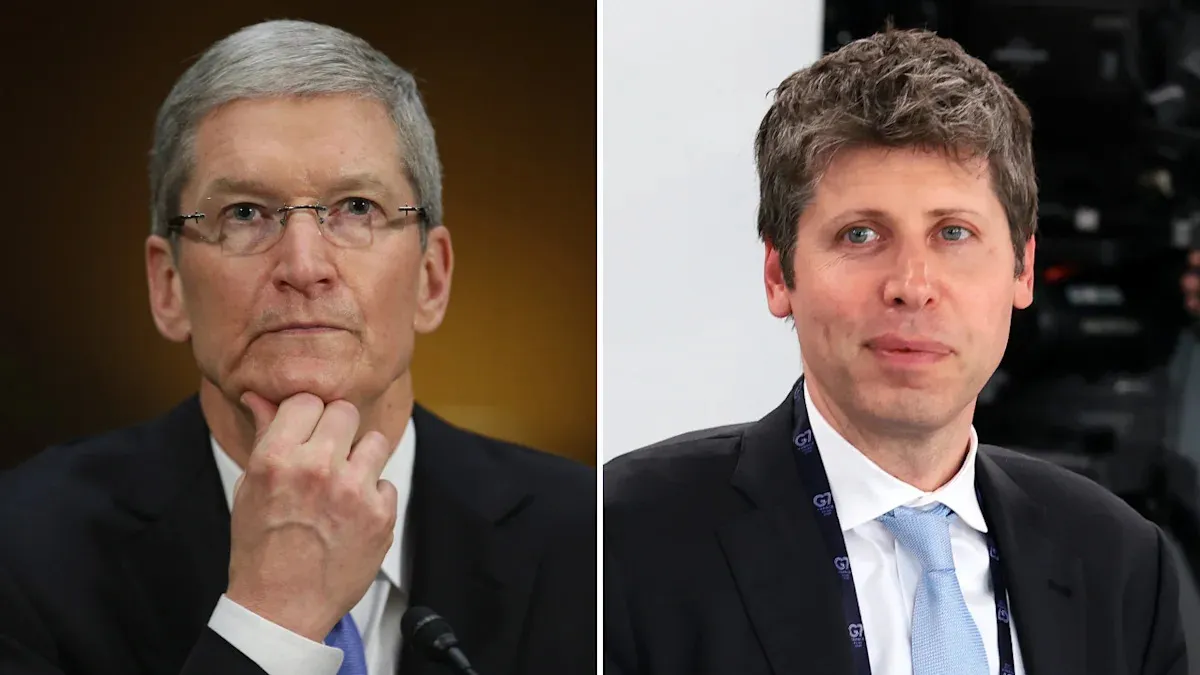
The tech world is no stranger to high-stakes legal battles over trade secrets, but the recent lawsuit filed by Apple against former engineer Chang Liu and OpenAI adds a new chapter to this ongoing saga. On July 10, 2026, Apple accused Liu of exploiting a security vulnerability to access confidential company files after his departure. This case not only highlights the fierce competition in the tech industry but also raises critical questions about data security, intellectual property, and the lengths to which companies will go to protect their innovations.
Chang Liu worked at Apple for eight years as a senior system electrical engineer before making the jump to OpenAI in January 2026. However, shortly after his departure, he allegedly discovered a bug that allowed him continued access to Apple’s internal network and cloud storage, where sensitive engineering documents were stored. Instead of reporting the bug, Liu reportedly exploited it, even coaching a colleague still at Apple on how to access these files without triggering security alerts. This incident not only exposes vulnerabilities in Apple’s security protocols but also underscores the ethical dilemmas faced by tech employees in a rapidly evolving industry.

The Allegations: How Apple Claims Liu Operated
Apple’s lawsuit paints a detailed picture of Liu’s actions after leaving the company. According to the filing, Liu was aware that he had not returned his Apple-issued laptop, which he used to access the company’s network. Within weeks of his departure, he allegedly found a way to bypass the security measures that should have locked him out. In a message to a former colleague, Liu reportedly stated, “LOL, I found out I can access the [network storage], so funny.” His colleague, Yu-Ting “Alyssa” Peng, responded with enthusiasm, indicating her willingness to engage in this unethical activity.
Apple claims that Liu downloaded a trove of confidential materials, including a comprehensive document exceeding a thousand pages detailing the company’s manufacturing and testing protocols for its main logic boards. Not only did he utilize Peng’s Apple-issued computer to access the internal network, but he also instructed her on how to copy files discreetly to avoid detection by security personnel. Their communication allegedly shifted to the LINE messaging app, a platform known for its encryption, to further evade Apple’s surveillance.

The Broader Context: OpenAI and Apple’s Relationship
The relationship between Apple and OpenAI has transformed dramatically over the past few years. Just two years ago, they collaborated closely, with Apple integrating OpenAI's ChatGPT into its iPhone operating system. However, tensions have risen as OpenAI expanded into hardware, acquiring Apple’s former design chief Jony Ive's startup, io Products, for approximately $6.5 billion in 2025. This acquisition marked OpenAI's entry into a domain where it previously had no manufacturing experience, leading to increased competition between the two tech giants.
Apple’s allegations against Liu and OpenAI’s hardware chief, Tang Tan—another former Apple executive—suggest that this dispute is not merely an isolated incident but part of a broader narrative of competitive espionage and intellectual property theft. Apple claims that Tan, who worked at the company for 24 years, utilized insider knowledge to influence recruitment at OpenAI, even allegedly sharing internal documents outlining Apple’s security protocols.

Implications for Trade Secrets and the Tech Industry
Trade secret theft is a critical issue in the tech industry, where innovation is often built upon proprietary information. The legal framework surrounding trade secrets varies by state, with the Uniform Trade Secrets Act (UTSA) providing a foundation for many U.S. laws. Apple’s lawsuit underscores the importance of protecting intellectual property and the potential consequences for individuals who breach confidentiality obligations.
For companies, the implications of such lawsuits are significant. They can lead to financial damages, loss of competitive advantage, and long-lasting reputational harm. Moreover, the outcome of this case could set a precedent for how tech companies manage their trade secrets and respond to potential breaches in the future.
What Companies Can Do to Protect Their Trade Secrets
- Implement Rigorous Security Protocols: Companies must ensure that their data security measures are robust and able to detect unauthorized access.
- Conduct Regular Audits: Routine checks can help identify potential vulnerabilities and ensure compliance with internal policies.
- Educate Employees: Training employees on the importance of confidentiality can foster a culture of security awareness.
- Use Non-Disclosure Agreements (NDAs): Having employees sign NDAs can offer legal protection in the event of a breach.
- Monitor Departing Employees: Enhanced monitoring of access rights for employees who leave can prevent unauthorized data extraction.
What Lies Ahead for OpenAI and Its IPO Plans
The timing of Apple’s lawsuit is particularly crucial for OpenAI, which has reportedly filed confidential paperwork for an initial public offering (IPO) that could value the company above $1 trillion. As OpenAI positions itself for this significant milestone, the ongoing legal battle will be closely scrutinized by investors and analysts alike. Trade secret disputes can introduce uncertainties that may impact investor sentiment and the company’s valuation.
The legal proceedings could take years to resolve, and the potential for a settlement remains, as many trade secret cases do not reach trial. Nevertheless, the presence of a live lawsuit over critical hardware technologies that OpenAI is eager to bring to market will undoubtedly be a focal point in its investor prospectus. This could lead to increased scrutiny from potential investors who will want to understand the risks involved before committing capital.

Key Takeaways
- Apple has accused former engineer Chang Liu of stealing trade secrets before joining OpenAI.
- The lawsuit highlights vulnerabilities in corporate data security and the ethical dilemmas faced by tech employees.
- The outcome could impact OpenAI’s upcoming IPO and broader industry practices around trade secrets.
- Companies must strengthen their security protocols to protect intellectual property.
- This case exemplifies the fierce competition and sometimes unscrupulous tactics within the tech industry.
Frequently Asked Questions
What are trade secrets, and why are they important?
Trade secrets refer to confidential business information that provides a competitive edge, such as formulas, practices, processes, designs, instruments, or a compilation of information. They are crucial because they allow companies to maintain their uniqueness and competitive advantage in the marketplace. Protecting trade secrets is vital for sustaining innovation and profitability.
What actions can companies take when they suspect trade secret theft?
When a company suspects that its trade secrets have been stolen, it can take several actions, such as conducting an internal investigation, gathering evidence, and potentially filing a lawsuit against the alleged offender. Additionally, companies may involve law enforcement if the theft is severe. Legal remedies can include seeking damages, injunctions to prevent further use of the trade secrets, and even criminal charges in extreme cases.
How can employees protect themselves when leaving a company?
Employees should be aware of their legal obligations concerning confidentiality and non-compete agreements. Before leaving a company, they should review any agreements they signed and ensure they understand the implications of their actions. Maintaining ethical standards and refraining from taking proprietary information can protect them from legal repercussions in the future.
What are the potential consequences of trade secret theft for individuals?
Individuals accused of stealing trade secrets may face severe consequences, including legal action, financial penalties, and damage to their professional reputation. Additionally, they may find it challenging to secure future employment, as potential employers may view them as untrustworthy. In some cases, criminal charges may also be applicable, leading to imprisonment for egregious violations.
This content is educational and should not be construed as financial advice.
Comments
The Rise of Buy Now, Pay Later: A Double-Edged Sword for Consumers
As inflation drives up the cost of living, more Americans are turning to Buy Now, Pay Later (BNPL) services to manage essential expenses. While these short-term loans offer immediate relief, they come with potential risks that could lead to a cycle of debt.

Related articles
Popular in Credit Scores
- The Rise of Buy Now, Pay Later: A Double-Edged Sword for Consumers
- Origin Energy Customer Data Breach: What You Need to Know
- Equifax's $100 Million Settlement: What Affected Consumers Need to Know
- Strategic Borrowing: Transforming Debt into Wealth-Building Opportunities