Explore the Best U.S. Oktoberfests: Beer Taxes and Festivities
As Oktoberfest celebrations bloom across the U.S., discover how state beer taxes impact your festival experience and find the best places to enjoy authentic German traditions.
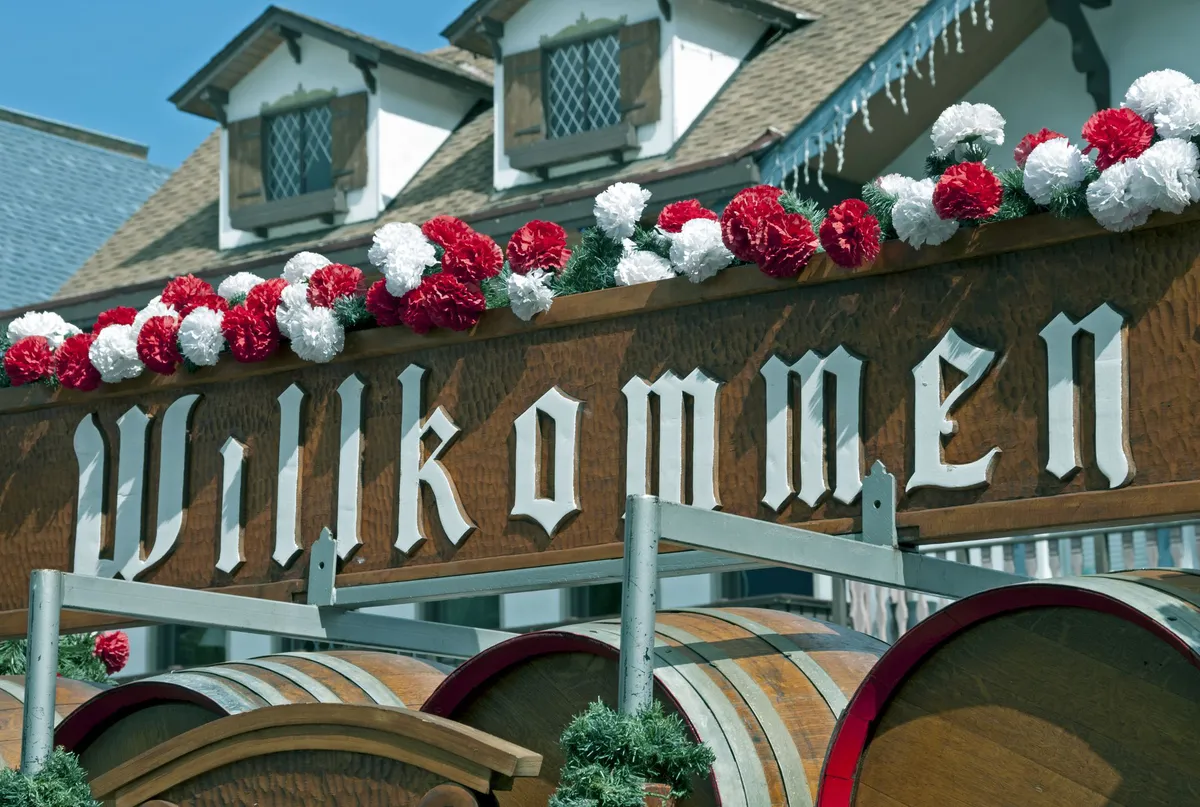
As the crisp autumn air settles in, the allure of Oktoberfest beckons beer enthusiasts and cultural aficionados alike to partake in one of the most beloved celebrations of German heritage. Imagine picturesque streets filled with laughter, the aroma of pretzels wafting through the air, and the sound of lively polka music setting the stage for a memorable festival experience. Each year, millions of Americans opt for local Oktoberfest celebrations, indulging in the Gemütlichkeit—the warm, welcoming spirit—of this cherished tradition without the hassle of international travel. But before you grab a stein, it’s essential to understand how state beer taxes can impact your celebration. In this article, we’ll explore the top Oktoberfest destinations across the U.S. ranked by their state beer excise tax rates, providing you with a comprehensive overview of where to celebrate without breaking the bank.
Understanding Beer Taxes and Their Impact
Beer excise taxes are fees imposed by state governments on the production and sale of beer. These taxes can significantly influence the final price of beverages at festivals. For example, a state with a high beer tax will see higher prices at the tap, while a lower tax rate can mean more affordable options for festivalgoers. In addition to excise taxes, local sales taxes and operational costs for event organizers also affect the price of beer at these celebrations.
The Tax Foundation provides insightful data on these state beer taxes, allowing us to rank various Oktoberfest celebrations based on their fiscal impact. This examination not only highlights the financial aspects of your beer choices but also sheds light on the broader implications of tax policies on local economies and tourist attractions. So, let’s dive into the top ten Oktoberfests in the U.S. and see how their state beer taxes stack up.
10. Helen, Georgia: A Bavarian Wonderland
State beer tax: $0.48
Dates: Sept. 10 - Nov. 1, 2026
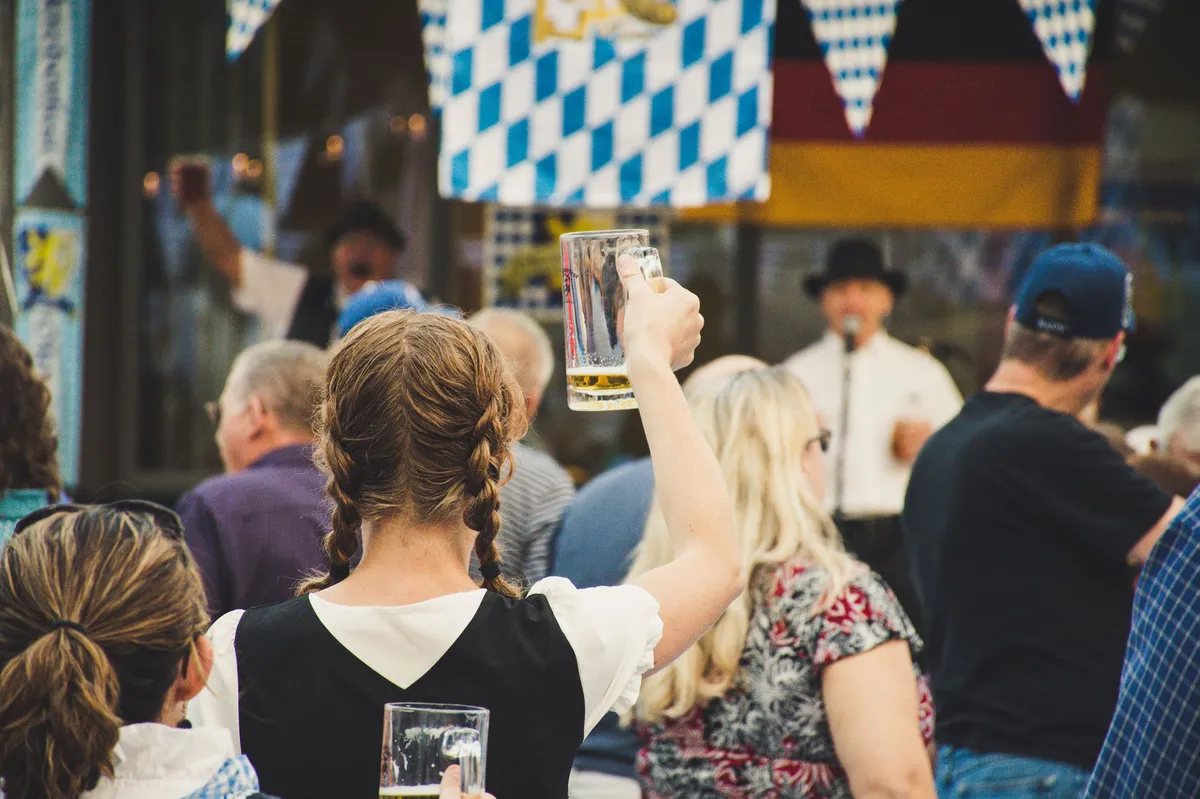
As the longest-running Oktoberfest in the U.S., Helen, Georgia, boasts the highest beer tax on our list. This charming town, redesigned in the late 1960s to emulate Bavarian architecture, draws visitors for its picturesque views and authentic atmosphere. With admission ranging from $5 to $25 per person, festivalgoers can enjoy a plethora of activities, including the Oktoberfest Parade and the Stein Holding Competition. Whether you’re sipping warm spiced apple cider or experiencing live music in the Festhalle, Helen offers a delightful taste of Germany right in the heart of the South.
9. Stowe, Vermont: An Alpine Retreat
State beer tax: $0.27
Dates: Sept. 19, 2026
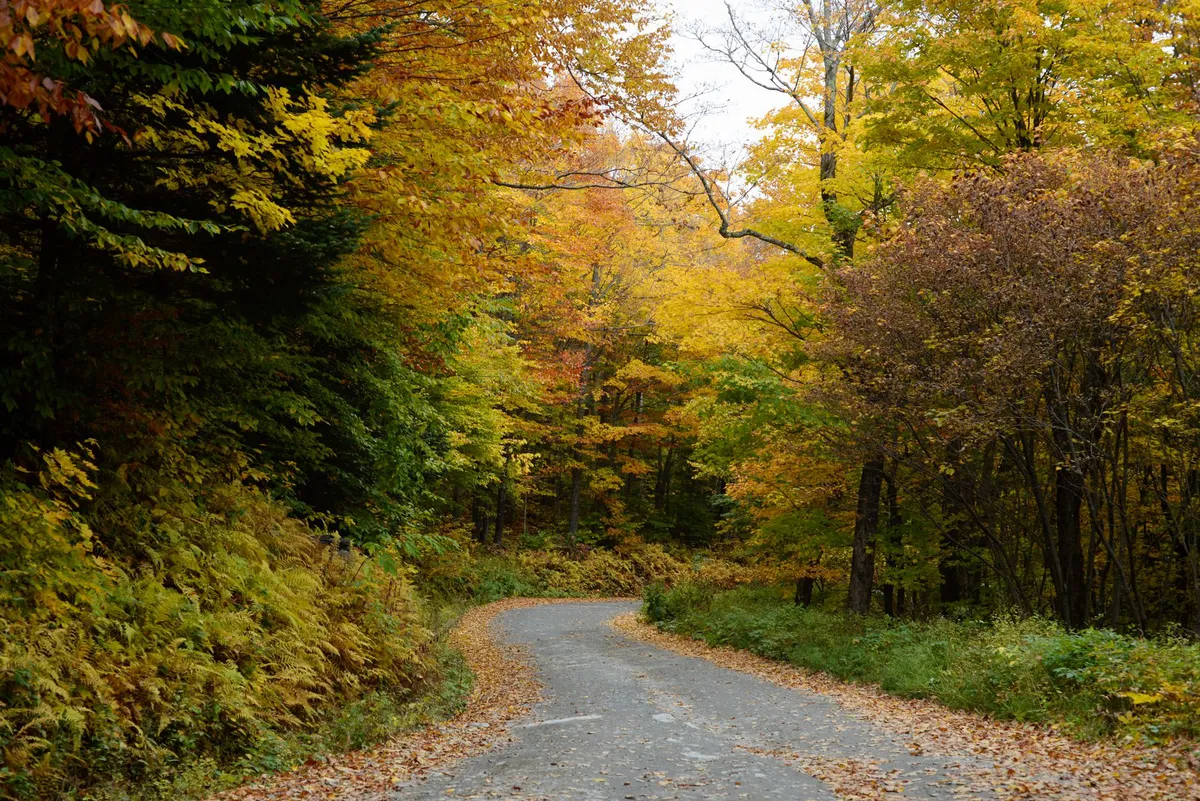
Stowe’s Oktoberfest at the von Trapp Family Lodge offers a unique blend of history and festivity. At $80 per person, attendees receive a souvenir mug, a beer pour, and a full meal. The real-life inspiration behind “The Sound of Music,” the von Trapp family hosts an event rich with folk music, traditional cuisine, and competitions. Surrounded by stunning fall foliage, it’s a perfect getaway for those wishing to celebrate in a breathtaking setting.
8. Leavenworth, Washington: Bavarian Spirit in the Cascades
State beer tax: $0.26
Dates: Oct. 2-3, 9-10, and 16-17, 2026
Leavenworth, Washington, transforms into a Bavarian village each October, offering a festive atmosphere amidst the Cascade Mountains. With single-day ticket prices ranging from $20 to $40, the festival features live music, a grand parade, and various contests, including a prize for the best mustache. The family-friendly environment includes a play area for children, making it an ideal destination for families looking to enjoy traditional German festivities.
7. Frankenmuth, Michigan: America’s Little Bavaria
State beer tax: $0.20
Dates: Sept. 17-20, 2026
Known as “Michigan’s Little Bavaria,” Frankenmuth prides itself on its rich German heritage. With a state beer tax of just $0.20 and admission prices at $10 per person, it’s an affordable option for festival-goers. The festival features live music, authentic German cuisine, and quirky events like the Wiener Dog Races, where dachshunds compete for glory. With pet-friendly policies, it’s a great choice for dog owners looking to celebrate alongside their furry friends.

6. Fredericksburg, Texas: A Taste of German Heritage
State beer tax: $0.19
Dates: Oct. 2-4, 2026
Fredericksburg’s Oktoberfest showcases the town’s deep-rooted German immigrant heritage with an array of traditional foods and drinks. Ticket prices range from $1 to $20, making it one of the most budget-friendly options on our list. The festival kicks off with a lively chicken dance, and guests can participate in the annual Kraut Run to benefit local charities. With low beer taxes and ample entertainment, Fredericksburg offers a warm and inviting atmosphere for all attendees.
5. Cincinnati, Ohio: The Largest Oktoberfest
State beer tax: $0.18
Dates: Sept. 17-20, 2026
Celebrating its 50th anniversary, Cincinnati’s Oktoberfest “Zinzinnati” proudly claims the title of the largest Oktoberfest in America. With an astonishing nearly one million guests expected, this free-admission event features spectacular activities like the World’s Largest Chicken Dance and the Running of the Wieners dachshund race. With a low beer tax of $0.18, attendees can enjoy a wide variety of food, music, and entertainment without the worry of steep costs.
Key Takeaways
- The highest state beer tax among U.S. Oktoberfests is $0.48 in Helen, Georgia.
- Fredericksburg, Texas, boasts one of the lowest beer taxes at $0.19.
- Cincinnati, Ohio, hosts the largest Oktoberfest celebration in the U.S.
- Ticket prices for Oktoberfest events can vary significantly, impacting overall festival costs.
- Understanding state beer taxes can help you choose the most budget-friendly Oktoberfest experience.
Frequently Asked Questions
What is a beer excise tax?
A beer excise tax is a fee imposed by state governments on the production and sale of beer. This tax can vary significantly between states and is included in the cost of beer sold at festivals, impacting overall pricing for consumers. Lower excise taxes often lead to cheaper prices for festivalgoers, while higher taxes can increase costs, making it essential for attendees to consider these variables when planning their Oktoberfest outings.
How do I choose the best Oktoberfest to attend?
Choosing the best Oktoberfest to attend depends on various factors, including your budget, desired activities, and location. If you’re looking for affordability, consider festivals with lower beer taxes and ticket prices. Additionally, explore the unique offerings of each festival, such as live music, cultural events, and family-friendly activities to find the right fit for your Oktoberfest experience.
Can I bring my own beer to an Oktoberfest event?
Generally, most Oktoberfest events do not allow attendees to bring their own beer due to licensing regulations and the nature of the festivals. These events typically have arrangements with local breweries and vendors to provide beer for sale. However, it's always best to check the specific rules and guidelines of the festival you plan to attend for any exceptions or allowances.
What are some traditional foods served at Oktoberfest?
Oktoberfest celebrations often feature a variety of traditional German foods, including pretzels, bratwurst, schnitzel, sauerkraut, and potato pancakes. Desserts like apple strudel and black forest cake are also popular. Each festival may offer unique local variations, but the essence of German cuisine remains a highlight of the Oktoberfest experience across the U.S.
This content is for educational purposes only and should not be considered financial advice.
Comments
Popular in Guides
- Understanding the New Repayment Assistance Plan for Student Loans
- The Evolving Landscape of Remote Work: Trends and Insights for 2025
- OpenAI's Fidji Simo Steps Down Amid Health Challenges
- Pizza Chains Restructuring Amid Declining Sales and Rising Costs
- Exploring Oregon: The 10 Most Affordable Places to Live