Dominion and NextEra Unveil $1 Billion Virginia Supplier Program
Dominion Energy and NextEra Energy announce a groundbreaking $1 billion annual supplier program in Virginia, contingent on their proposed merger approval. This initiative aims to boost local economic growth while addressing power demands.
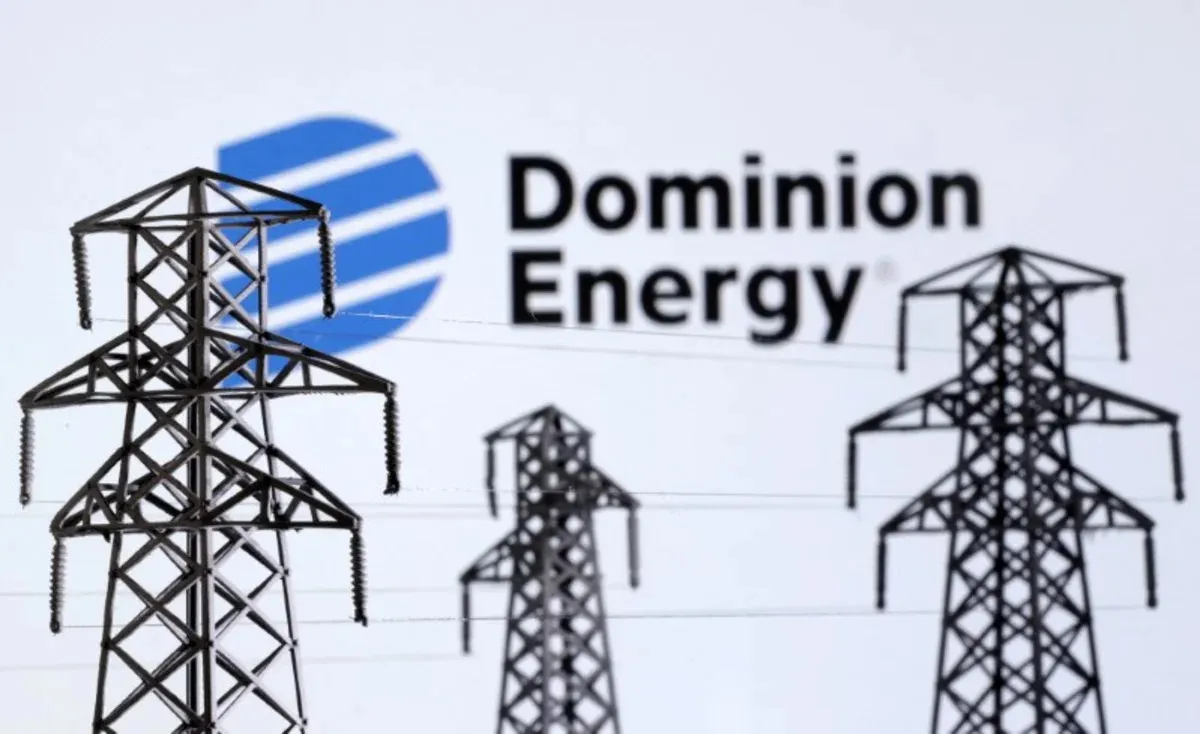
In a significant move poised to reshape Virginia's energy landscape, Dominion Energy and NextEra Energy have proposed a comprehensive supplier program valued at up to $1 billion annually. This ambitious initiative is contingent upon the approval of their proposed merger, which aims to address the growing power demands from burgeoning sectors such as data centers and electric vehicles. As utility companies across the nation undergo consolidation to meet these demands, this program represents a pivotal investment in Virginia's economy and energy infrastructure.
Details of the Proposed Supplier Program
Dominion Energy and NextEra Energy outlined their plans during a joint announcement, emphasizing their commitment to channeling substantial financial resources into the local economy. The proposed supplier program will be funded over a five-year period and will specifically target contractors, suppliers, and service providers based in Virginia. This investment is designed not only to fulfill the anticipated increase in power demand but also to stimulate economic growth within the state.

Key Components of the Initiative
The supplier program is multifaceted, featuring several key components aimed at enhancing community welfare and supporting local businesses:
- Monthly Bill Credits: The proposal includes extending monthly $10 bill credits for Virginia customers from two years to a total of four years.
- Increased Financial Assistance: Dominion plans to boost its low-income financial assistance by an additional $100 million through 2038, ensuring that vulnerable populations are supported.
- Workforce Development Fund: A $100 million fund dedicated to workforce development will be established to train and equip Virginians for jobs in the evolving energy sector.
- Annual Energy Summit: The companies will host an annual energy summit in Virginia, fostering dialogue between stakeholders on energy issues and innovations.
- Job Security Commitments: The merger promises to maintain the current employee headcount in Virginia for five years, providing stability for the workforce during the transition.
Implications for Virginia's Energy Future
This proposed merger and the associated supplier program come at a critical time when the demand for electricity in Virginia is surging. The growth of data centers and the increasing popularity of electric vehicles are placing unprecedented pressure on the state's energy infrastructure. As such, Dominion and NextEra's merger, valued at $66.8 billion, represents a strategic response to this challenge.
Virginia Governor Abigail Spanberger has expressed her intent to intervene in the regulatory review of the merger, advocating for commitments on power affordability, job protections, and investments in clean energy. This suggests a heightened scrutiny of how the merger will impact not just the companies involved but also the everyday Virginians who depend on their services.
Community and Environmental Considerations
As the energy sector evolves, so too do the expectations of consumers and regulators regarding environmental sustainability. The commitments made by Dominion and NextEra to invest in clean energy initiatives will be crucial in shaping public perception of the merger. By aligning their business strategies with environmental goals, the companies can not only comply with regulatory expectations but also appeal to a growing demographic of environmentally conscious consumers.
Potential Challenges Ahead
While the proposed supplier program and merger may offer significant opportunities, they are not without challenges. Regulatory approval remains a significant hurdle, as various stakeholders evaluate the potential impacts on competition, energy prices, and service reliability in the state. The concerns raised by Governor Spanberger and other stakeholders highlight the complexities involved in merging large utility companies.
Additionally, there is the challenge of effectively executing the supplier program once approved. Ensuring that the promised investments reach the intended contractors and service providers will require robust oversight and transparent processes. This is particularly important in maintaining public trust and ensuring that the economic benefits of the merger are realized across the community.
Conclusion: A New Era for Virginia's Energy Landscape
Dominion Energy and NextEra Energy's proposed $1 billion Virginia supplier program marks a bold step forward in the modernization of the state’s energy infrastructure. While the initiative promises significant economic and social benefits, its success will hinge on regulatory approvals and effective implementation. As the energy landscape continues to evolve, stakeholders must remain vigilant in ensuring that the transition serves the best interests of all Virginians, balancing economic growth with sustainable practices and affordable energy solutions.
Key Takeaways
- The proposed supplier program by Dominion and NextEra could inject $1 billion annually into Virginia's economy.
- Key features include extended bill credits for customers and increased funding for low-income assistance.
- Governor Abigail Spanberger is advocating for commitments on job protections and clean energy investments related to the merger.
- Regulatory approval is a significant hurdle that will determine the merger's fate.
- Successful implementation will require transparency and oversight to ensure economic benefits reach local communities.
Frequently Asked Questions
What is the significance of the proposed merger between Dominion and NextEra?
The proposed merger between Dominion and NextEra is significant as it represents a strategic response to increasing power demands in Virginia, driven by sectors such as data centers and electric vehicles. The merger, if approved, aims to create a more robust energy provider that can better serve the needs of a growing customer base while also investing in local communities through the proposed supplier program.
How will the $1 billion supplier program benefit Virginia residents?
The $1 billion supplier program is designed to benefit Virginia residents in several ways. It will increase financial assistance for low-income customers, provide monthly bill credits, and create job opportunities through workforce development initiatives. By directing spending to local contractors and suppliers, the program aims to stimulate economic growth while ensuring affordable and reliable energy access for all Virginians.
What challenges could the merger face during the regulatory approval process?
The merger could face several challenges during the regulatory approval process, including concerns about market competition, energy prices, and service reliability. Stakeholders, including government officials and consumer advocates, will scrutinize the merger to ensure that it does not lead to higher energy costs or reduced service quality for consumers. Additionally, the effectiveness of the proposed supplier program will be closely monitored to ensure that the promised benefits are realized.
When is the expected timeline for the merger's approval?
The timeline for the merger's approval is contingent upon regulatory reviews and is expected to close in the second half of 2027. As both companies have already received shareholder approval for the merger, the focus now shifts to obtaining the necessary regulatory clearances. Stakeholders will be closely watching how this process unfolds, given its implications for Virginia's energy future.
This article is for educational purposes only and should not be considered financial advice.
Comments
Popular in Guides
- Understanding the New Repayment Assistance Plan for Student Loans
- The Evolving Landscape of Remote Work: Trends and Insights for 2025
- OpenAI's Fidji Simo Steps Down Amid Health Challenges
- Pizza Chains Restructuring Amid Declining Sales and Rising Costs
- Exploring Oregon: The 10 Most Affordable Places to Live