AI Development: Why Industry Leaders Say a Slowdown Isn't Needed
Meta's Mark Zuckerberg and Nvidia's Jensen Huang argue against slowing AI development, emphasizing safety and innovation. Explore their perspectives and the implications for the tech industry.

In recent discussions about the future of artificial intelligence (AI), two of the tech industry's most influential figures, Mark Zuckerberg of Meta Platforms and Jensen Huang of Nvidia, have publicly pushed back against calls for a slowdown in AI development. This debate has intensified amid growing concerns about the ethical implications and safety risks associated with the rapid advancement of AI technologies. Zuckerberg and Huang argue that the incentives for AI developers to prioritize safety are already strong, and that halting progress could hinder innovation and economic growth.
The backdrop to this debate is a world increasingly reliant on AI technologies, from automation in various industries to advanced algorithms that enhance the user experience across platforms. As AI systems become more integrated into daily life, calls for regulation and caution are becoming more prevalent. Entities like Anthropic, an AI safety research organization, have advocated for a temporary pause in development to ensure robust safety measures are established. However, Zuckerberg and Huang believe that such a pause could be counterproductive.
The Case for Continued AI Development
Both Zuckerberg and Huang emphasize that the AI landscape is not only about innovation but also about responsibility. Zuckerberg stated that AI developers possess "strong natural incentives" to train models in a manner that is safe and beneficial for society. This assertion raises important questions about the mechanisms and motivations that drive AI development.
Understanding the Incentives
Developers in the AI space are motivated by a range of factors that inherently promote safety, including:
- Market Demand: Consumers increasingly prefer products that are safe and reliable. Companies that prioritize safety can enhance their reputation and attract more users.
- Regulatory Compliance: As governments worldwide establish regulations around AI, companies must adapt their technologies to meet these standards.
- Ethical Responsibility: Many developers are committed to ethical AI practices, recognizing the potential harms that poorly designed AI systems can cause.
Huang echoed this sentiment, highlighting that the tech industry is capable of self-regulation through innovation and collaboration. By sharing best practices and developing safety protocols, AI companies can ensure that progress does not come at the expense of public safety.

The Role of Collaboration in AI Safety
One of the key points made by both Zuckerberg and Huang is the importance of collaboration among AI developers. They argue that rather than slowing down, the industry should foster partnerships that focus on developing ethical standards and safety measures. This cooperative approach could lead to the establishment of a framework that balances rapid technological advancement with public safety.
Examples of Collaborative Initiatives
Several initiatives exemplify how collaboration can enhance AI safety:
- Industry Partnerships: Companies can join forces to create shared safety protocols, similar to existing collaborations in the automotive and pharmaceutical industries.
- Research Grants: Tech firms can fund research into AI safety, enabling academic institutions to explore potential risks and develop mitigation strategies.
- Open Source Projects: By making AI safety tools and frameworks open source, developers can contribute to and benefit from collective knowledge.
Such collaborations could not only address safety concerns but also accelerate innovation by pooling resources and expertise.

Addressing Ethical Concerns
As AI technologies evolve, ethical concerns about their applications remain at the forefront. Critics argue that without proper oversight, AI can perpetuate biases, invade privacy, and lead to unemployment in various sectors. Zuckerberg and Huang recognize these issues but maintain that halting development is not the solution. Instead, they advocate for proactive ethical governance.
Proactive Governance Strategies
To mitigate ethical concerns while continuing development, several strategies can be employed:
- Bias Audits: Regular assessments of AI algorithms to identify and rectify biases can help in creating fairer systems.
- Transparency Initiatives: Companies should disclose how their AI systems make decisions, fostering trust and understanding among users.
- Employee Training: Investing in training for developers on ethical AI practices can create a more informed workforce.
By addressing these ethical concerns head-on, the industry can foster public trust and ensure that AI technologies are used for good.
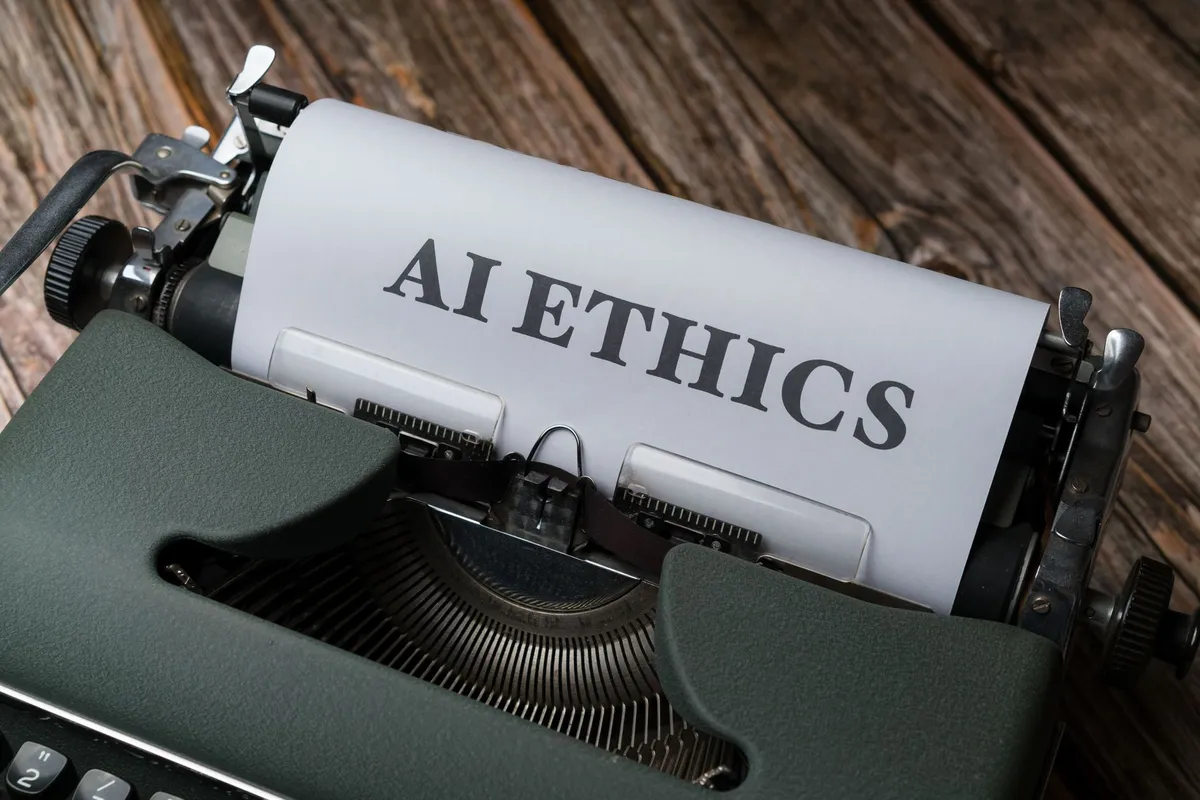
The Future of AI Development
As the debate continues, it is clear that the future of AI development will be shaped by the balance between innovation and safety. Zuckerberg and Huang's positions highlight a critical crossroads: the need for continuous advancement while also ensuring that such progress is ethically sound and socially responsible.
The Path Forward
To navigate this complex landscape, stakeholders must be willing to engage in open dialogue and take a holistic approach to AI development. This means incorporating diverse perspectives, including those of ethicists, policymakers, and the general public, into the conversation.
Key Takeaways
- Mark Zuckerberg and Jensen Huang oppose a slowdown in AI development, emphasizing the importance of safety through innovation.
- AI developers have strong incentives to prioritize safety, including market demand and regulatory compliance.
- Collaboration among industry players is crucial for establishing ethical standards and safety measures.
- Proactive governance strategies can address ethical concerns while enabling continued AI advancement.
Frequently Asked Questions
What are the main arguments against slowing AI development?
Both Zuckerberg and Huang argue that slowing AI development could hinder innovation and economic growth. They emphasize that developers are already motivated to create safe, ethical AI systems due to market demand and regulatory pressures. Therefore, rather than pausing progress, the focus should be on enhancing safety protocols and ethical standards.
How can collaboration improve AI safety?
Collaboration can enhance AI safety by allowing companies to share best practices, develop common safety protocols, and pool resources for research and safety initiatives. Joint efforts can lead to more comprehensive solutions that address potential risks while fostering innovation.
What ethical concerns are associated with AI technologies?
Ethical concerns surrounding AI include the potential for bias in algorithms, privacy violations, and job displacement. These issues raise important questions about the societal impacts of AI, and industry leaders are advocating for proactive governance to address them while continuing development.
What role do developers play in ensuring AI safety?
Developers play a crucial role in ensuring AI safety by designing algorithms responsibly, conducting bias audits, and being transparent about how AI systems make decisions. Their commitment to ethical practices can significantly influence the impact of AI technologies on society.
Disclaimer: This content is educational, not financial advice.
Comments
Popular in Guides
- Understanding the New Repayment Assistance Plan for Student Loans
- The Evolving Landscape of Remote Work: Trends and Insights for 2025
- OpenAI's Fidji Simo Steps Down Amid Health Challenges
- Pizza Chains Restructuring Amid Declining Sales and Rising Costs
- Exploring Oregon: The 10 Most Affordable Places to Live