Mike Rowe Advocates for Skilled Labor in America’s Workforce Crisis
As America faces a critical skills gap, Mike Rowe emphasizes the urgent need for vocational training and skilled labor to meet economic demands. His initiatives aim to bridge the divide and revitalize the essential economy.
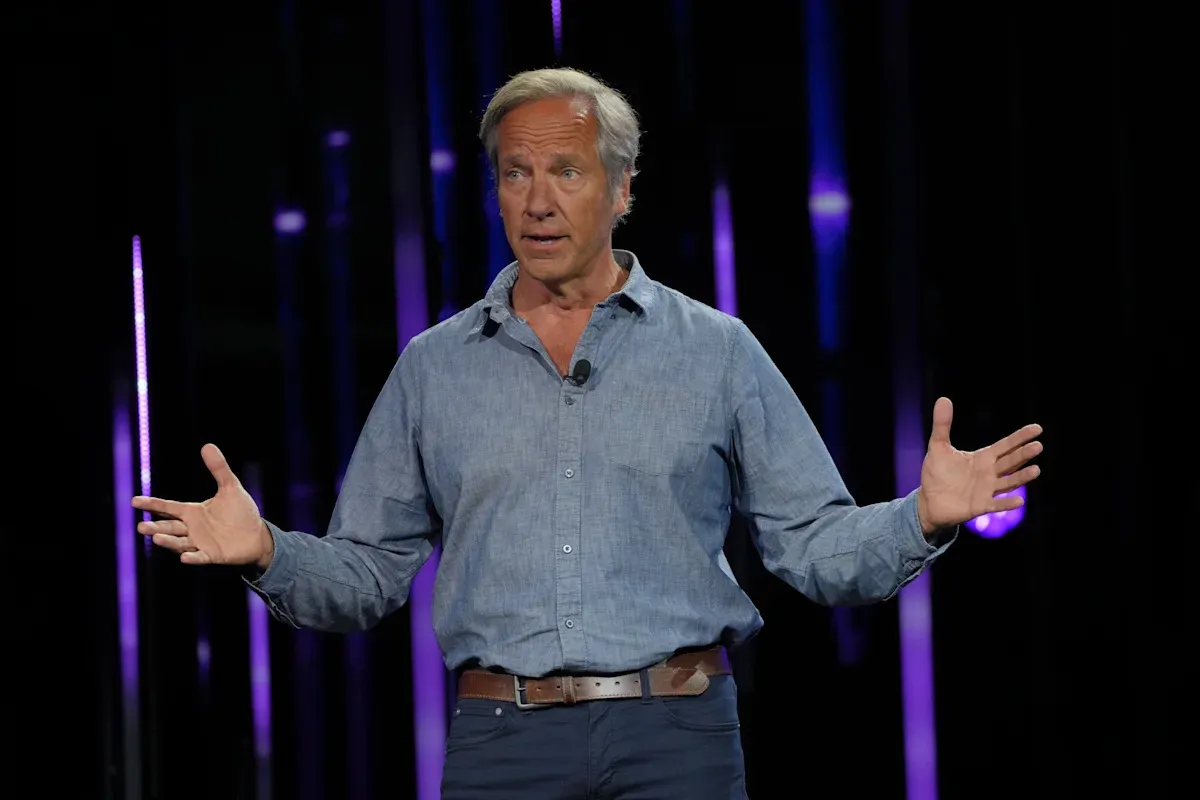
In a rapidly evolving economy, the definition of work is being challenged, and few understand this better than Mike Rowe, the host of the popular Discovery Channel series "Dirty Jobs." On a recent episode of the Power Players podcast, Rowe highlighted the alarming disconnect between available jobs and the skilled workforce needed to fill them. With $10 trillion earmarked for infrastructure projects, the urgency for skilled labor has never been more pressing. Rowe’s insights reveal deep-seated issues in America’s approach to work and education, calling for a reevaluation of how we view and train for various occupations.
Rowe, renowned for showcasing the often-overlooked, gritty aspects of American labor, has become a leading advocate for vocational training. His MikeroweWORKS Foundation has made significant strides in addressing the skills gap by providing millions in scholarships aimed at cultivating a new generation of tradespeople. Rowe's assertion that we have become "untethered from a definition of work that used to be universally agreed upon" underscores the need for a cultural shift in how society values various occupations, especially those in the skilled trades.
The Skills Gap: A Growing Crisis
The United States is currently facing a severe skills gap that threatens to undermine its economic stability and growth. According to recent studies, **17.4% of manufacturing companies** report worker shortages, and there is a projected need for **3.8 million manufacturing jobs** to be filled over the next decade. This gap is exacerbated by an aging workforce, with many older workers retiring and not enough younger workers entering the trades. The essential economy, which encompasses industries such as construction, utilities, and manufacturing, contributes approximately **$12 trillion** to the GDP and supports **95 million jobs**. Yet, as Rowe points out, many young Americans are hesitant to pursue these opportunities.
Understanding the Disconnect
The societal perception of work has shifted drastically, particularly among younger generations like Gen Z. Many young individuals view blue-collar jobs as too demanding or unappealing, often favoring careers that require a four-year degree, despite the fact that **7.6 million jobs** currently exist that do not require such qualifications. This trend is concerning, especially given that Rowe notes, “There’s **$1.7 trillion** in outstanding student debt” combined with a significant portion of the workforce disengaging. With **6.9 million men** having opted out of the workforce altogether, the implications of this disconnect are profound.

Rowe’s Initiatives: Building a Bridge
Recognizing the urgent need for a skilled workforce, Rowe’s MikeroweWORKS Foundation has been pivotal in addressing the skills gap. The foundation has **distributed over $11 million** in vocational scholarships to more than **1,800 recipients** across the nation, empowering individuals to pursue careers in trades such as plumbing, welding, and electrical work. These initiatives aim to create an **“AI-proof” career pipeline**, ensuring that the next generation of skilled workers is prepared to meet the demands of a modern economy where automation and artificial intelligence are increasingly prevalent.
This year, Rowe took a significant step forward by partnering with the **U.S. Department of Defense** to launch the **Build Freedom Initiative**. This initiative focuses on rebuilding the domestic defense manufacturing workforce, addressing both national security concerns and the urgent need for skilled labor in manufacturing. By investing in vocational training and education, Rowe aims to not only fill current job openings but also prepare workers for future challenges in the evolving labor market.
The Economic Impact of the Skills Gap
The ramifications of the skills gap extend beyond individual job seekers; they affect the economy at large. The essential economy, which includes vital sectors like agriculture, oil and gas, and equipment manufacturing, is facing a critical shortage of skilled workers. As industries grow and evolve, the need for a competent workforce becomes more pronounced. Without immediate action, businesses may struggle to find qualified workers, hindering productivity and innovation.
Consider the following:- The essential economy represents **$12 trillion** of the GDP.
- There are **95 million** jobs tied to this sector.
- **3 million businesses** operate within these industries, many at risk due to labor shortages.
As automation and technology continue to reshape the job landscape, it is crucial for educational institutions and policymakers to prioritize vocational training. By fostering a culture that values skilled labor, we can create a more robust and resilient economy.
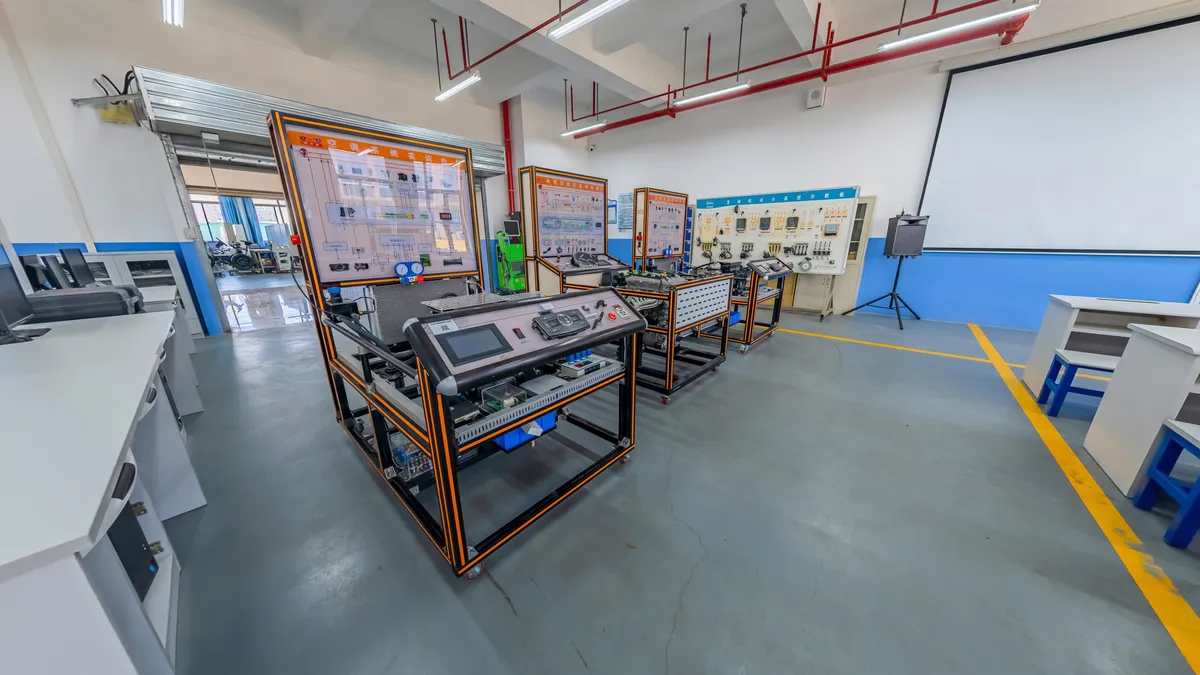
Addressing Student Debt and Career Training
One of the most concerning aspects of the current labor landscape is the burden of student debt faced by many young Americans. Rowe’s comments highlight a critical paradox: while many students are being trained for careers that no longer exist, they are also accumulating significant debt. The national student debt crisis, currently estimated at **$1.7 trillion**, poses a considerable challenge not only for individuals but also for the economy as a whole.
With **7 million** open jobs that do not require a four-year degree, there is a pressing need to redirect educational funding and resources toward vocational training. This shift could alleviate some of the financial pressures on students while simultaneously addressing the skills gap. Rowe advocates for a more comprehensive approach to education that includes promoting trades and skilled labor as viable and respected career paths.

Key Takeaways
- The U.S. is experiencing a significant skills gap, particularly in manufacturing and essential services.
- Mike Rowe’s initiatives focus on providing vocational training and scholarships for skilled trades.
- There is a pressing need to address the disconnect between available jobs and workforce readiness.
- Student debt remains a critical issue, with many young people trained for jobs that are no longer available.
- Investing in vocational education is essential for building a resilient economy.
Frequently Asked Questions
What is the skills gap, and why is it important?
The skills gap refers to the disparity between the skills required for available jobs and the skills possessed by the workforce. This gap is critical because it directly impacts economic growth, productivity, and the ability of businesses to find qualified employees. A significant skills gap can lead to labor shortages, increased unemployment, and hindered innovation.
How does Mike Rowe's MikeroweWORKS Foundation help address these issues?
The MikeroweWORKS Foundation provides scholarships and funding for vocational training programs aimed at preparing individuals for careers in the trades. By promoting skilled labor as a viable career path, the foundation seeks to bridge the skills gap and encourage more young people to enter fields that are essential to the economy.
Why should vocational training be prioritized in education?
Vocational training should be prioritized because it equips individuals with the practical skills needed for high-demand jobs in various industries. With many positions available that do not require a four-year degree, focusing on vocational education can help reduce student debt while filling crucial roles in the economy, fostering a more skilled and adaptable workforce.
What impact does student debt have on career choices?
Student debt can significantly influence career choices, often leading individuals to pursue higher-paying positions that may not align with their skills or interests. As many graduates face overwhelming debt, they may opt for jobs that offer immediate financial relief rather than exploring opportunities in skilled trades, which can also provide stable and lucrative career paths.
This content is educational, not financial advice.
Comments
Popular in Guides
- Understanding the New Repayment Assistance Plan for Student Loans
- The Evolving Landscape of Remote Work: Trends and Insights for 2025
- OpenAI's Fidji Simo Steps Down Amid Health Challenges
- Pizza Chains Restructuring Amid Declining Sales and Rising Costs
- Exploring Oregon: The 10 Most Affordable Places to Live