Understanding Implied Easements: How One Couple Avoided a Landlock
Navigating property rights can be complex, especially with easements. This article explores an intriguing case where a couple faced landlocking due to a neighbor's refusal to acknowledge an implied easement, shedding light on the legal intricacies involved.

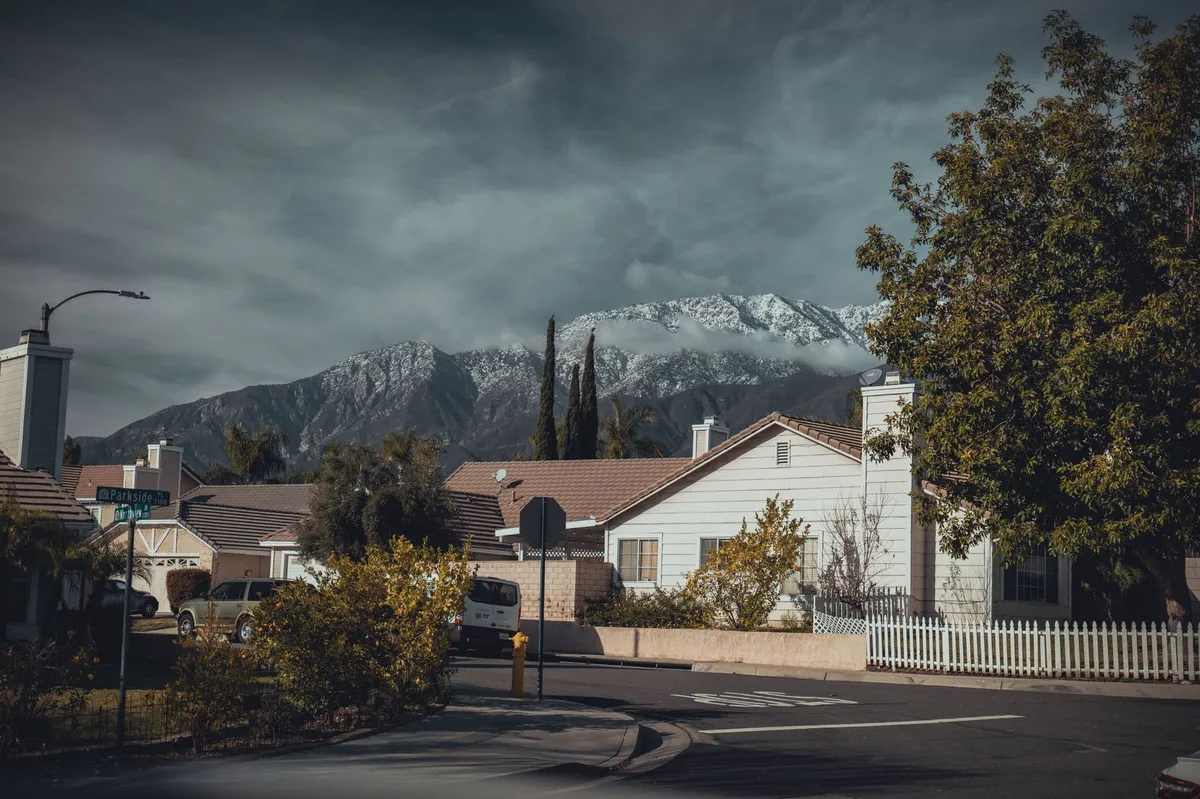
Imagine purchasing your dream home only to find yourself facing a nightmare scenario where access to your property is threatened. This was the reality for a couple in a picturesque Southern California mountain community when a new neighbor moved in and attempted to block their access. Their struggle highlights the critical importance of understanding property rights, specifically the concept of implied easements, which can significantly affect homeowners' access and usage of their land.
The case begins with Jill and Ricky, who had lived peacefully in their mobile home on Lot A for over two decades. Their access relied on a driveway that partially crossed over the adjacent Lot B, previously owned by Sally. However, when Matthew purchased Lot B, he refused to acknowledge the long-standing use of that access, claiming it was his property and demanding a hefty fee for its use. This situation serves as a cautionary tale about the complexities of property rights and the implications of implied easements for homeowners.
What Are Implied Easements?
Implied easements are rights to use a portion of a neighbor's property that arise from prior use, even if they are not explicitly documented in a deed. They are grounded in the principle that property owners should have reasonable access to their land. Understanding how these easements work is crucial for current and prospective homeowners.
The Legal Foundations of Implied Easements
The concept of implied easements has roots in both ancient Roman law and English common law, which established the basis for modern property laws in the United States. An implied easement can be created when:
- Common Ownership: The properties in question were once owned by the same person.
- Severance: The properties were divided through a sale.
- Apparent and Continuous Use: The use of the land was obvious and ongoing before the division.
- Reasonable Necessity: The easement is necessary for the enjoyment and utility of the property.
In Jill and Ricky's case, all these elements were present. They had been using the driveway for over 30 years, making it apparent that they relied on it for access to the nearest road. Without it, Lot A would be effectively landlocked.
The Neighbor from Hell: Matthew's Claims
Matthew's arrival marked a drastic change in the couple's peaceful life. He began to harass them, demanding $16,000 for their continued use of the driveway and threatening to block access altogether. This behavior not only created a hostile living environment but also raised legal questions about his claims.
Assessing Matthew's Position
While Matthew's threats seemed alarming, legal experts, including real estate attorney Fawn Dessy, clarified that he had no valid claim against Jill and Ricky. The history of use and the existence of an implied easement protected the couple's rights to access their home. The situation called into question whether Matthew had been adequately informed of the easement when he purchased Lot B.
The Role of Due Diligence in Property Transactions
This scenario underscores the importance of conducting thorough due diligence when buying property. Homebuyers should not only review public records but also engage in conversations with previous owners and neighbors to uncover any potential easements or access issues that might not be immediately obvious.
What to Look For
When purchasing property, consider the following:
- Property History: Research previous owners and how the land has been used.
- Access Rights: Verify any easements that might affect your property.
- Neighbor Relations: Speak to neighbors to gauge any potential disputes or issues that may arise.
- Legal Documentation: Ensure all agreements regarding property use are clearly documented.
In this case, Matthew's claim might have been different had he been unaware of the implied easement before purchasing Lot B. If the easement had not been disclosed in the sales documents, he could have pursued a claim against his real estate agent.

Resolution and Lessons Learned
After legal consultations and communication with Matthew, he ultimately dropped his demands, allowing Jill and Ricky to continue using the driveway as they had for years. This outcome restored peace to their community but highlighted the potential pitfalls of property ownership.
Key Takeaways for Homeowners
Homeowners should take proactive steps to protect themselves and their property rights, especially regarding easements:
- Conduct thorough due diligence before purchasing property.
- Understand the implications of implied easements and how they can affect access.
- Maintain open communication with neighbors to avoid disputes.
- Consult with real estate attorneys when navigating complex property issues.
Key Takeaways
- Implied easements grant rights to use parts of a neighbor's property based on prior use.
- Due diligence is essential when purchasing property to uncover potential access issues.
- Legal advice can help clarify property rights and resolve disputes effectively.
Frequently Asked Questions
What is the difference between an implied easement and an express easement?
An implied easement is established through prior use of the property and does not require a written agreement, while an express easement is explicitly documented in a deed or legal contract. Understanding this distinction is crucial for property owners, as it affects their rights and access to land.
How can I find out if my property has any easements?
To determine if your property has any easements, review the title deed, consult public land records, and speak with neighbors or previous owners. Engaging a real estate attorney can also provide clarity on any easement rights associated with your property.
What should I do if my neighbor blocks access to my property?
If a neighbor attempts to block access to your property, document all interactions and consult a real estate attorney. They can help assess whether an implied easement exists and guide you through the process of resolving the dispute, potentially preventing costly legal battles.
Can easements be terminated?
Yes, easements can be terminated under specific circumstances, such as the dominant estate (the property benefiting from the easement) no longer needing the easement, mutual agreement between parties, or expiration of the easement's term. Legal counsel can assist in navigating these situations effectively.

This article is for educational purposes only and is not financial advice.
Comments
Popular in Guides
- Understanding the New Repayment Assistance Plan for Student Loans
- The Evolving Landscape of Remote Work: Trends and Insights for 2025
- OpenAI's Fidji Simo Steps Down Amid Health Challenges
- Pizza Chains Restructuring Amid Declining Sales and Rising Costs
- Exploring Oregon: The 10 Most Affordable Places to Live