Home Buyers Gain Negotiating Power: 5 Key Signs to Watch
As the housing market shifts, buyers are gaining leverage in negotiations. Discover the latest trends that signal it's a great time to buy and how to maximize your opportunities.
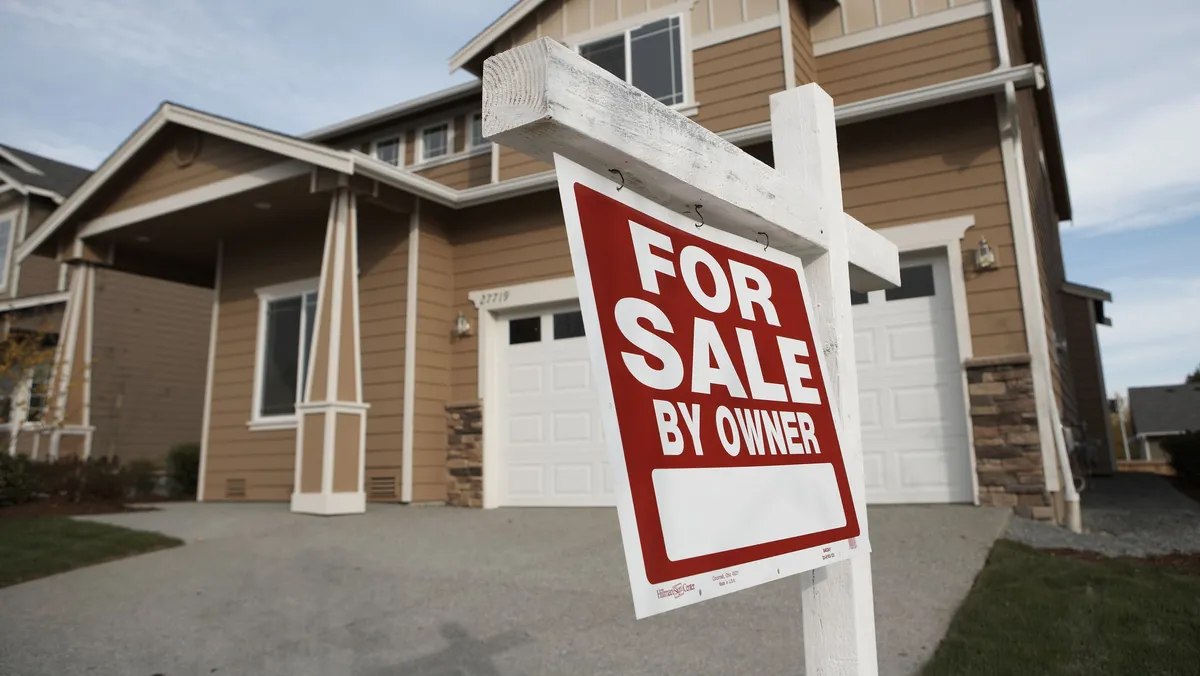
The current landscape of the U.S. housing market is changing, offering home buyers a unique chance to negotiate better deals. With a combination of increased inventory, price reductions, and seasonal slowdowns, buyers are finding themselves in a more favorable position than they've experienced in recent years. As we delve into the signs indicating this shift, it's essential for potential home buyers to understand how to leverage these market conditions to their advantage.
According to Realtor.com's June 2026 housing trends report, the national median listing price has dropped to $430,000, reflecting a 2.5% decrease year-over-year. This marks the eighth consecutive month of falling asking prices, suggesting that sellers are beginning to adjust their expectations to align with current market realities. For buyers, this signals an opportunity to engage in negotiations that were previously out of reach.
Increased Price Reductions: A Buyer’s Advantage
One of the most promising signs for home buyers is the uptick in price reductions. In June, approximately 18.8% of active listings experienced a price cut, indicating that homes are remaining on the market longer than they have in the past. This trend can be beneficial for buyers, who can use the data to negotiate more effectively.
Understanding Market Dynamics
When evaluating a property, consider the following:
- How long the home has been on the market
- The list price history
- Any previous price reductions
If a home has been listed for several weeks or has already undergone multiple price cuts, it provides a clear signal to buyers that they might have leverage. In such scenarios, buyers can negotiate for lower purchase prices, request the seller to cover closing costs, or ask for repairs to be made prior to closing.

More Inventory Equals More Options
The increase in available homes for sale is another factor enhancing buyer negotiating power. The report indicates that active home listings rose by 1.9% year-over-year and by 4.1% from May. More homes on the market translate to expanded options for buyers, reducing the urgency to make hasty decisions or waive essential protections like home inspections.
Regional Variations
It's important to note that inventory levels vary significantly across the country. While regions like the South and West are seeing listings that slightly exceed pre-pandemic levels, the Northeast continues to grapple with a significant housing shortage, with active listings still 47.3% below pre-pandemic levels. This disparity emphasizes the importance of understanding local market conditions before making a purchase.

Longer Selling Times: A Shift in Seller Motivation
For over two years, homes have generally taken longer to sell compared to previous years, but this trend has leveled off. In June, the median home spent 53 days on the market, unchanged from the previous year. While this stability in selling times might not seem significant, it provides valuable insight into the seller's motivation.
Evaluating Seller Motivation
When a property has been listed for 60 days or more, it may indicate that the seller is either overpricing their home or that buyer interest is waning. This can create an opening for buyers to negotiate more effectively. Similarly, homes that have been on the market for 30 days without receiving offers may provide opportunities for buyers to secure concessions such as seller-paid closing costs or repairs.
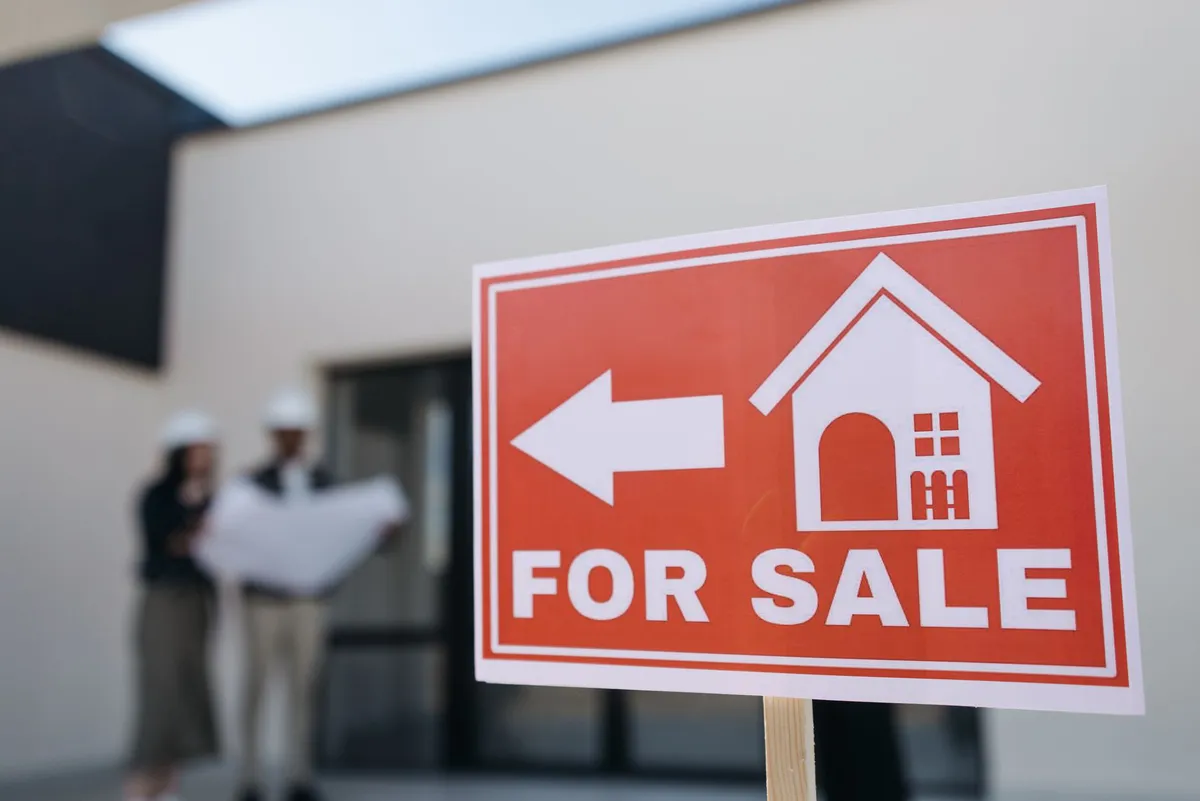
Seasonal Slowdown: Timing is Everything
As summer approaches, the housing market typically experiences a seasonal slowdown. This year, we are beginning to see signs of this trend, with fewer new listings and an increase in price reductions observed in June. Buyers who enter the market during this period may find it less competitive, allowing for more thorough comparisons of homes and improved negotiation opportunities.
Capitalizing on the Summer Market
The slower pace of home sales during the summer can be advantageous for buyers. As listings linger on the market, sellers may be more willing to consider lower offers or additional concessions. Buyers should remain vigilant and ready to negotiate as they navigate the market.
Local Market Insights: Know Before You Go
While national trends provide a general overview, local market conditions can differ significantly. Since the peak in asking prices in June 2022, areas such as the West have seen a 7.3% decrease in prices, while the Midwest and Northeast have experienced increases of 10% and 12.6%, respectively.
Conducting Local Research
Before making an offer, it’s crucial for buyers to conduct thorough research on their local market. This includes reviewing recent comparable sales, tracking how long homes are remaining on the market, and noting any price reductions in desired neighborhoods. Engaging with a local real estate agent can also provide invaluable insights into current market conditions, aiding buyers in determining how aggressively they should negotiate.

Leveraging Your Negotiating Power
Recognizing that you possess more negotiating power is just the first step. To effectively utilize this leverage, consider these strategic tips when making an offer:
- Research Comparable Sales: Investigate recent sales in the neighborhood to gauge a fair offer.
- Rely on Your Real Estate Agent: Utilize their knowledge to understand market conditions and the seller's position.
- Negotiate Beyond Price: Don't hesitate to ask for closing cost coverage or repairs.
- Preserve Contingencies: Avoid waiving important protections unless absolutely necessary.
- Prioritize Affordability: Ensure your offer aligns with your financial capacity.
Understanding your financial limits is critical. With mortgage rates fluctuating, it’s vital to assess how much home you can realistically afford based on your income and expenses. If a property stretches your budget too thin, it might be prudent to walk away, even in a favorable negotiating environment.
Key Takeaways
- Home buyers are experiencing increased negotiating power due to price reductions and more inventory.
- Understanding local market conditions is essential for effective negotiation.
- Timing can influence negotiations, particularly during seasonal slowdowns.
- Buyers should conduct thorough research and leverage their real estate agent's expertise.
- Preserving financial health should be prioritized over aggressive bidding.
Frequently Asked Questions
What factors contribute to a buyer's negotiating power in the current market?
Several factors contribute to a buyer's negotiating power, including increased inventory, price reductions, and longer selling times. When there are more homes available, buyers have greater options, which can lessen competition. Additionally, if properties have been listed for an extended period, sellers may be more willing to negotiate on price or offer concessions.
How can I determine if a home is overpriced?
To assess whether a home is overpriced, review comparable sales in the area, track how long the home has been on the market, and analyze any price history. If a property is consistently listed above recent sales prices for similar homes and has remained unsold for weeks or months, it may indicate an inflated asking price.
Is it wise to waive contingencies to strengthen my offer?
Waiving contingencies can increase the attractiveness of your offer, but it also involves risks. Contingencies, such as home inspections or financing, protect buyers from unforeseen issues. Unless you are in a highly competitive market, it’s generally advisable to retain these protections to safeguard your investment.
What should I do if my budget is tight but I want to buy a home?
If your budget is tight, prioritize affordability by determining how much home you can realistically afford before starting your search. Explore various financing options, including lower down payments or government programs aimed at first-time buyers. Always remember that it’s better to walk away from a home that stretches your finances too thin than to overextend yourself.
This content is educational and not financial advice.
Comments
Popular in Guides
- Understanding the New Repayment Assistance Plan for Student Loans
- The Evolving Landscape of Remote Work: Trends and Insights for 2025
- OpenAI's Fidji Simo Steps Down Amid Health Challenges
- Pizza Chains Restructuring Amid Declining Sales and Rising Costs
- Exploring Oregon: The 10 Most Affordable Places to Live