Rising Temperatures Fuel Air Conditioning Demand: What It Means for You
As global temperatures soar, the demand for air conditioning is heating up, presenting both opportunities and challenges for the HVAC industry. This article explores the implications for consumers and companies alike.

As summer heat waves intensify across the globe, the demand for air conditioning units is reaching unprecedented levels. The International Energy Agency (IEA) reports that there are currently about 2 billion air conditioners worldwide, with a significant concentration in the United States, where over 90% of households are equipped with these cooling devices. With projections indicating that this number could nearly triple by 2050, it’s essential to understand the broader implications of this surge in demand, particularly as it relates to health, energy consumption, and technological innovation.
Extreme heat has emerged as a critical public health issue, responsible for approximately 489,000 deaths annually—more than any other weather-related hazard in the U.S. This alarming statistic underscores the urgency for improved air conditioning solutions. In response, the HVAC (Heating, Ventilation, and Air Conditioning) industry is poised to capitalize on this growing need, but not without facing substantial challenges related to energy efficiency and environmental impact.
The Global Demand Surge
Rising global temperatures are transforming air conditioning from a luxury into a necessity. In the U.S., the HVAC industry is witnessing a marked increase in sales, with companies like Daikin, Trane Technologies, Carrier, and Mitsubishi leading the charge. Meanwhile, emerging manufacturers from China, such as Midea Group and Haier, are also making significant inroads, particularly during recent heat waves in Europe. For instance, Midea's portable unit, the PortaSplit, saw sales double in Europe, reaching an astonishing total of 200,000 units.
Impact of Climate Change
The link between climate change and increased demand for air conditioning is undeniable. As our planet warms, regions that traditionally relied less on cooling systems are now forced to adapt. This shift is particularly notable in developing countries like China and India, where rising incomes are enabling more households to afford air conditioning. As these markets expand, the global air conditioning market is expected to grow significantly, with potential implications for energy consumption and environmental sustainability.
Energy Consumption and Environmental Challenges
While air conditioning units provide essential relief during heat waves, they also pose significant challenges concerning energy consumption. Current estimates suggest that cooling systems consume around 5,000 terawatt-hours of electricity annually—equivalent to the total annual electricity consumption of the United States. Moreover, air conditioners are the fastest-growing source of electricity usage in buildings, raising concerns about grid capacity and sustainability.
Innovative Solutions on the Horizon
In light of these challenges, manufacturers are striving to develop more energy-efficient air conditioning units. For example:
- Transaera is producing industrial HVAC systems that are 20% more expensive but boast a remarkable 40% increase in energy efficiency.
- Blue Frontier, backed by Bill Gates, is implementing a unique liquid desiccant process combined with heat pump technology, aiming to significantly reduce power demand and cooling costs.
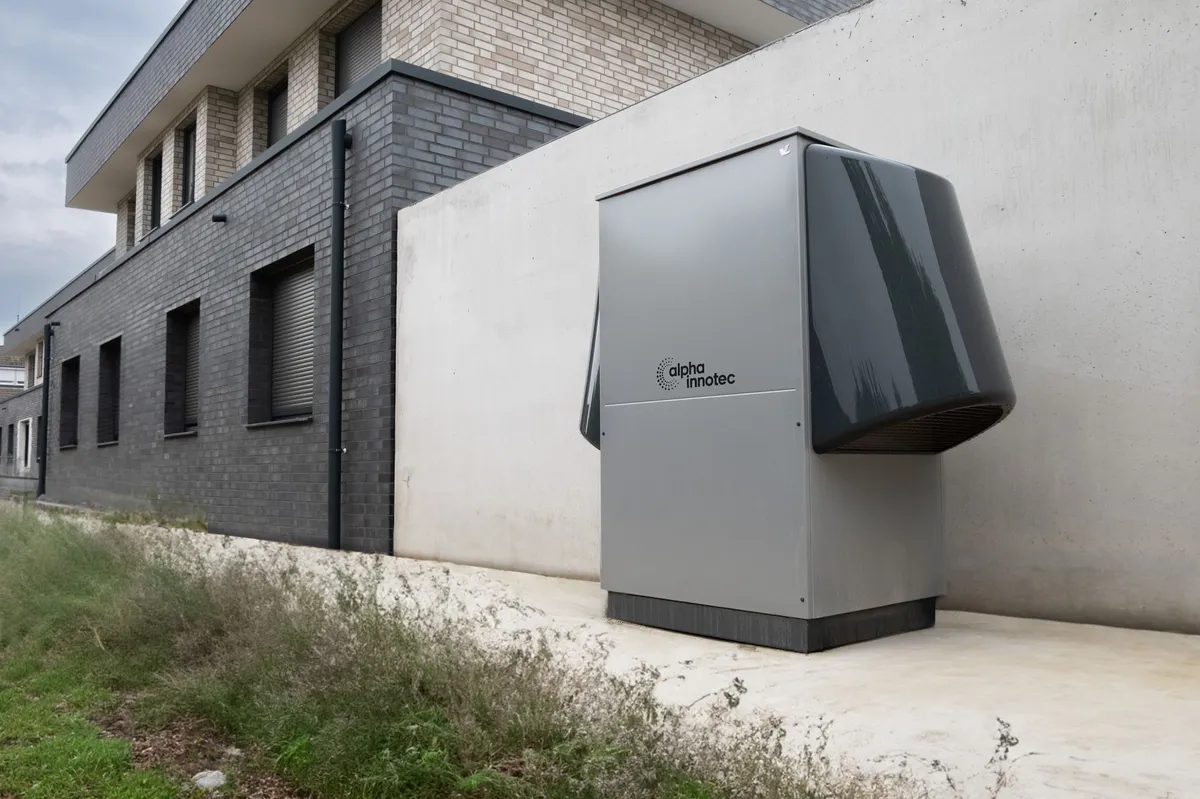
- Carrier is exploring hybrid HVAC units that integrate battery systems to store solar energy for use during peak hours, thereby alleviating grid stress.
Such innovations not only aim to meet rising demand but also tackle the urgent need for sustainable energy solutions in a warming world.
Shifting Focus Beyond Home Cooling
The HVAC market is evolving beyond traditional home cooling applications. Companies like Carrier have recognized the potential of data centers, which require substantial cooling due to high-performance servers. This shift underscores the need for innovative air conditioning solutions capable of supporting diverse applications while managing energy consumption.
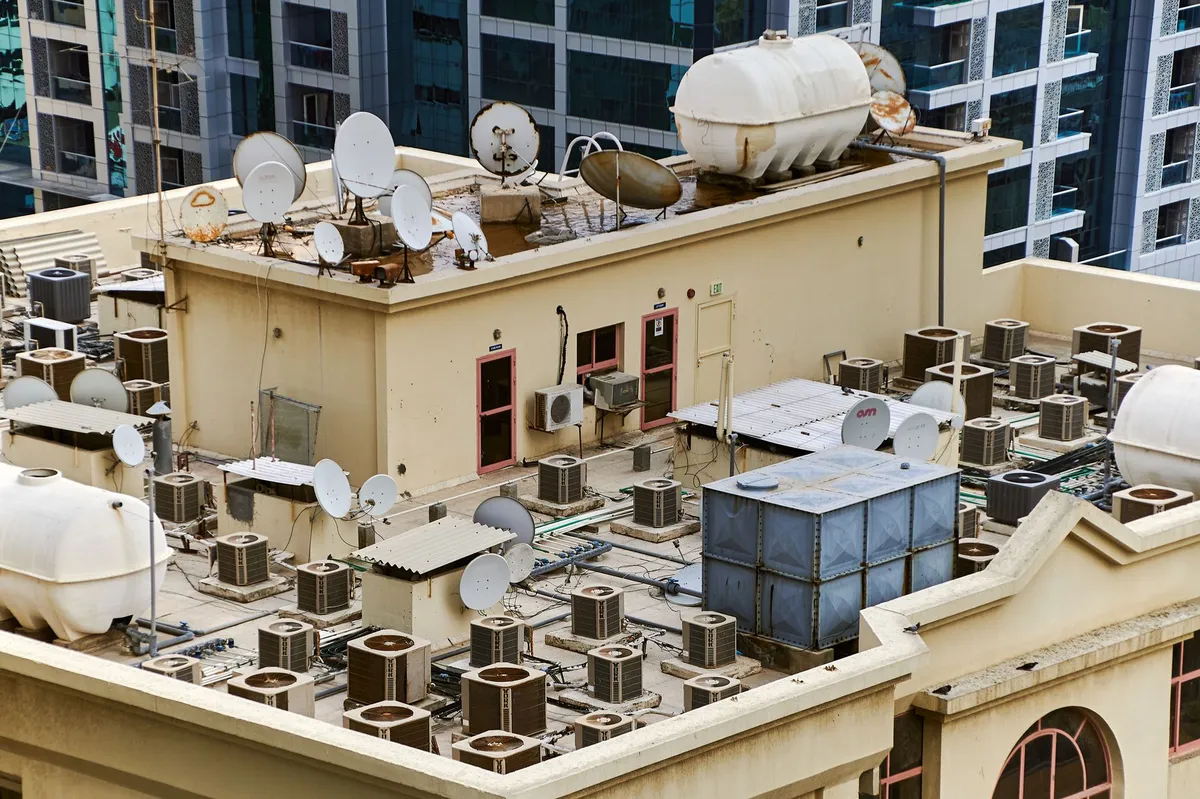
However, as this segment grows, it also places additional strain on existing power infrastructures. The importance of developing energy-efficient technologies cannot be overstated, as the demand for cooling in data centers and other commercial applications continues to rise. With the global climate crisis prompting an urgent need for sustainable practices, the HVAC industry is at a pivotal crossroads, balancing consumer demand with environmental responsibility.
The Role of Policy and Regulation
In this rapidly changing landscape, government policies and regulations play a crucial role in shaping the future of the HVAC industry. Regulatory bodies are beginning to impose stricter energy efficiency standards for cooling devices, pushing manufacturers to innovate in order to comply. For consumers, this has the potential to translate into lower energy bills and a reduced carbon footprint.
Moreover, incentives for energy-efficient upgrades and renewable energy integration are becoming more common, encouraging homeowners and businesses to invest in modern, eco-friendly HVAC systems. As the demand for air conditioning surges, adequate policy frameworks will be essential in ensuring sustainable growth within the industry.
Key Takeaways
- Demand for air conditioning is rapidly rising due to increasing global temperatures and health concerns.
- The HVAC industry is experiencing growth from both established companies and emerging manufacturers, particularly in developing economies.
- Innovative technologies are being developed to improve energy efficiency and reduce environmental impact.
- Shifting market focus includes applications beyond home cooling, such as data centers.
- Government regulations and incentives play a crucial role in shaping the future of energy-efficient HVAC systems.
Frequently Asked Questions
Why is air conditioning demand increasing so rapidly?
The demand for air conditioning is largely driven by rising global temperatures and the increasing frequency of heat waves. As extreme heat becomes more common, more households and businesses recognize the need for reliable cooling solutions to ensure comfort and safety. Additionally, improving incomes in emerging economies are enabling more people to invest in air conditioning units.
What are the environmental implications of rising air conditioning use?
As air conditioning use rises, so does energy consumption, leading to increased pressure on power grids and higher greenhouse gas emissions. The HVAC industry is therefore under pressure to develop more energy-efficient systems that minimize environmental impact. This includes innovations in technology aimed at reducing electricity usage and integrating renewable energy sources.
How can consumers benefit from new HVAC technologies?
Consumers stand to benefit significantly from advancements in HVAC technologies, as new systems are designed to be more energy-efficient and cost-effective. Innovations such as hybrid systems that utilize solar energy can lead to lower energy bills and reduced reliance on fossil fuels. Additionally, government incentives for upgrading to energy-efficient systems can further enhance financial savings for consumers.
What role do government policies play in the HVAC industry?
Government policies are crucial in shaping the HVAC industry by establishing energy efficiency standards and providing incentives for consumers and businesses to adopt sustainable practices. Stricter regulations can drive manufacturers to innovate and improve their products, while financial incentives can encourage consumers to invest in energy-efficient systems. As the demand for air conditioning grows, effective policy frameworks will be essential for ensuring sustainable industry growth.
This content is educational, not financial advice.
Comments
Popular in Guides
- Understanding the New Repayment Assistance Plan for Student Loans
- The Evolving Landscape of Remote Work: Trends and Insights for 2025
- OpenAI's Fidji Simo Steps Down Amid Health Challenges
- Pizza Chains Restructuring Amid Declining Sales and Rising Costs
- Exploring Oregon: The 10 Most Affordable Places to Live