Navigating Tariff Uncertainty: The Role of AI in Modern Manufacturing
As global trade policies evolve, manufacturers are increasingly leveraging AI to enhance supply chain resilience and efficiency. This article explores how AI tools are transforming sourcing strategies amid tariff uncertainties and geopolitical tensions.
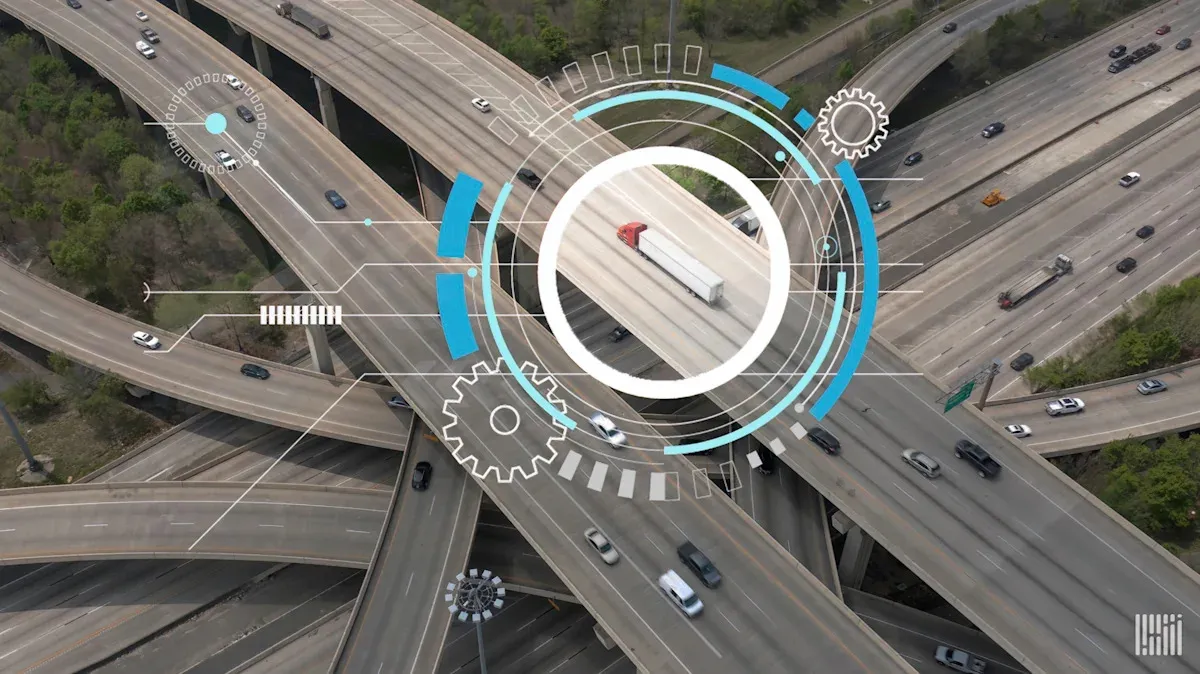
The landscape of global manufacturing is undergoing a seismic shift as companies grapple with the repercussions of fluctuating tariffs and geopolitical tensions. As tariffs on imports rise and trade policies shift, manufacturers find themselves at a crossroads, where traditional supply chain management methods are no longer sufficient. In this challenging environment, artificial intelligence (AI) emerges as a cornerstone for enabling manufacturers to make swift, informed decisions that can significantly impact their operations. By leveraging AI, firms can evaluate sourcing alternatives, optimize inventory levels, and enhance their responsiveness to supply chain disruptions, without eliminating the essential human element in decision-making.
According to Fabrizio Brasca, senior vice president of market strategy at Kinaxis, a prominent supply chain software provider, the urgency of adopting AI-powered solutions has never been greater. Manufacturers are transitioning from conventional supply chain planning to AI-driven orchestration, allowing them to foresee and mitigate potential disruptions before they cascade through their networks. "Tariffs and trade disruptions create consequences that extend far beyond sourcing," Brasca explains, emphasizing that a single change in supplier location can ripple through inventory levels, logistics costs, factory schedules, and customer commitments.
Understanding the New Trade Landscape
The backdrop of rising tariffs and international trade disputes creates an environment fraught with uncertainty. Recently, President Trump announced a 50% tariff on certain Canadian goods, alongside a 25% tariff on Brazilian imports. Moreover, investigations could lead to additional tariffs ranging from 10% to 12.5% on imports from several economies, including China and the European Union. For manufacturers, these developments necessitate a reevaluation of their sourcing strategies to remain competitive.
As businesses scramble to adapt, a shift towards nearshoring and diversified sourcing strategies has emerged, commonly referred to as the “China-plus-one” approach. This strategy allows manufacturers to mitigate risks associated with over-reliance on a single supplier or country, particularly in light of rising tariffs. However, the complexity of this transition is substantial, as it involves weighing multiple factors including labor costs, transportation expenses, geopolitical risks, and supplier reliability.

AI-Powered Decision Making: The Kinaxis Approach
Kinaxis offers a solution with its Maestro platform, which empowers manufacturers to model various sourcing alternatives across North America seamlessly. This capability allows organizations to assess the trade-offs between cost, service quality, and supply chain resilience before implementing changes. By moving towards AI-enhanced scenario planning, manufacturers can make faster, more informed decisions that better align with their operational goals.
Benefits of AI Integration
- Faster Decision-Making: Real-time scenario analysis enables quicker responses to emerging disruptions.
- Lower Inventory Costs: Efficient planning reduces excess inventory levels, freeing up capital.
- Improved Customer Service: Enhanced forecasting leads to better fulfillment rates and customer satisfaction.
- Increased Flexibility: AI tools allow for dynamic adjustments to supply chain strategies as conditions evolve.
- Enhanced Collaboration: Improved coordination across departments reduces inefficiencies.
According to Brasca, organizations integrating the Maestro platform can expect to see significant improvements within the first year, including reduced inventory levels and enhanced customer service. This proactive approach not only safeguards revenue but also enhances the overall customer experience.

The Human Element in AI-Driven Supply Chains
Despite the advancements in AI, Kinaxis maintains that human expertise remains paramount in supply chain management. Brasca asserts that AI should be viewed as a tool to augment human capabilities rather than a replacement. The Maestro Agent Studio, for instance, empowers not just traditional supply chain teams, but also personnel from various functions to analyze scenarios and make informed decisions using comprehensive planning data.
This partnership between AI and human planners is crucial. While AI excels at data analysis and pattern recognition, human planners bring invaluable judgment, accountability, and contextual understanding to the decision-making process. As a result, organizations can benefit from the best of both worlds: the analytical prowess of AI combined with the nuanced insights of human experience.
Industry-Wide Adoption of AI Solutions
The adoption of AI-powered planning tools is gaining momentum across various sectors, particularly those with complex and highly regulated supply chains. Industries such as life sciences, healthcare, consumer goods, food and beverage, electronics, and luxury products are increasingly recognizing the benefits of integrating AI into their planning processes.
For example, fragrance and flavor manufacturer MANE has chosen the Maestro platform to modernize its global planning capabilities as it seeks to expand internationally. This implementation aims to cultivate a more agile planning environment while ensuring alignment across diverse regions. Brasca anticipates that as AI continues to evolve, it will automate more routine planning tasks, allowing supply chain professionals to focus on higher-value responsibilities such as risk management and strategic decision-making.
The Future of Supply Chain Management
The future of supply chain management is poised to be characterized by a more collaborative relationship between AI and human planners. Rather than envisioning fully autonomous supply chains, experts like Brasca suggest a model where AI handles analytical tasks and execution, while human planners concentrate on leadership and strategic coordination. This collaborative approach is essential for navigating the complexities introduced by tariffs and geopolitical uncertainties.
As businesses continue to face the ramifications of ongoing trade tensions and fluctuating tariffs, the ability to quickly model supply chain scenarios and adapt strategies accordingly will be vital. Manufacturers that can harness the power of AI to enhance their decision-making processes may find themselves at a significant competitive advantage, better positioned to respond to challenges and seize opportunities in an ever-evolving global market.
Key Takeaways
- AI enhances supply chain resilience: Manufacturers can leverage AI tools to assess sourcing alternatives and respond to disruptions effectively.
- Human expertise remains vital: AI should augment, not replace, the decision-making capabilities of human planners.
- Proactive scenario modeling: Tools like Kinaxis' Maestro platform allow real-time analysis of various sourcing strategies.
- Industry-wide adoption: More sectors are integrating AI solutions to streamline complex supply chains.
- Future synergy: The ideal supply chain future involves a partnership between AI and human decision-makers.
Frequently Asked Questions
How can AI improve supply chain decision-making?
AI improves decision-making by providing real-time insights and scenario modeling capabilities. This allows manufacturers to quickly evaluate the implications of different sourcing options, assess risks, and respond dynamically to disruptions. AI tools can analyze historical data to identify patterns and project potential outcomes, enabling teams to make informed decisions faster than traditional methods would allow.
What industries benefit most from AI in supply chain management?
Industries with complex and highly regulated supply chains, such as life sciences, healthcare, consumer goods, and electronics, benefit significantly from AI integration. These sectors often face unique challenges such as compliance requirements and operational intricacies, making AI tools invaluable for optimizing planning and execution processes.
Will AI replace human planners in supply chain management?
No, AI is not expected to replace human planners but rather to augment their capabilities. While AI excels at analyzing data and providing insights, human planners bring critical judgment, industry knowledge, and decision-making context that AI cannot replicate. The future of supply chains will likely involve a collaborative approach where both AI and human expertise are leveraged for optimal outcomes.
How should companies prepare for tariff changes affecting their supply chains?
Companies should adopt a proactive approach to tariff changes by leveraging AI tools to simulate various sourcing scenarios and assess their impact on costs and service levels. Establishing a flexible supply chain strategy that includes diversified sourcing options and robust risk management practices will be crucial in navigating uncertainties. Continuous monitoring of geopolitical developments and tariff regulations will also help businesses stay ahead of potential disruptions.
*This content is educational and not financial advice.*
Comments
Popular in Guides
- Understanding the New Repayment Assistance Plan for Student Loans
- The Evolving Landscape of Remote Work: Trends and Insights for 2025
- OpenAI's Fidji Simo Steps Down Amid Health Challenges
- Pizza Chains Restructuring Amid Declining Sales and Rising Costs
- Exploring Oregon: The 10 Most Affordable Places to Live