The Future of Work: How AI is Shaping Employment, Not Destroying It
Concerns about AI causing widespread job loss are unfounded, according to a recent study by Adecco Group. The staffing giant highlights that AI is transforming roles, not eliminating them, while emphasizing the importance of upskilling and collaboration.

The rapid advancement of artificial intelligence (AI) has sparked intense debate about its impact on the workforce. Many fear that AI will lead to significant job losses, while others argue that it will create new opportunities and transform existing roles. A recent study by the Adecco Group, a leading global staffing company, provides a fresh perspective, asserting that AI will not trigger an employment collapse but rather lead to an evolution in the nature of work.
In the wake of AI integration, major companies from various sectors, including Microsoft, Amazon, and HSBC, have announced layoffs, attributing a significant portion of job cuts to AI technology. According to data from global outplacement firm Challenger, Gray & Christmas, nearly 25% of job losses in the United States this year were linked to AI. However, Denis Machuel, CEO of Adecco, argues that many organizations are using AI as a scapegoat for broader issues such as poor performance or restructuring. Instead of a job apocalypse, he predicts a transformation in tasks and roles, emphasizing the need for adaptation rather than fear.

The Current State of Employment Amid AI Advancements
As AI tools and technologies continue to evolve, the employment landscape has remained resilient. Adecco's report highlights that employment rates are currently at record highs, and unemployment rates have dipped near historic lows, even three and a half years after the introduction of OpenAI's ChatGPT. According to the Organisation for Economic Co-operation and Development (OECD), which tracks labor market dynamics across its 38 member countries, the data indicates that the rise of AI does not correlate with widespread job destruction.
Historical Context: Previous Industrial Revolutions
To understand the potential impact of AI on jobs, it is essential to consider historical precedents. Previous industrial revolutions, from the steam engine to the internet, have significantly altered work without causing mass unemployment. Machuel points out that these transformations have historically led to the creation of new job categories and the evolution of existing roles. For instance, while the advent of computers diminished the need for certain clerical positions, it also created a demand for IT professionals, software developers, and data analysts.
AI's Role in Job Transformation
While some entry-level positions may be diminishing due to automation, Machuel emphasizes that companies cannot simply eliminate junior roles without jeopardizing their future talent pipelines. Instead, the focus should be on reinventing these jobs to integrate AI effectively. This integration requires a commitment to upskilling and reskilling employees, ensuring they remain relevant in a changing job market.
- Upskilling: Providing current employees with advanced training and skills development to work alongside AI technologies.
- Reskilling: Teaching employees new skills to transition into different roles that AI cannot easily replicate.
- Collaboration: Fostering partnerships among companies, governments, and educational institutions to create a workforce prepared for the future.
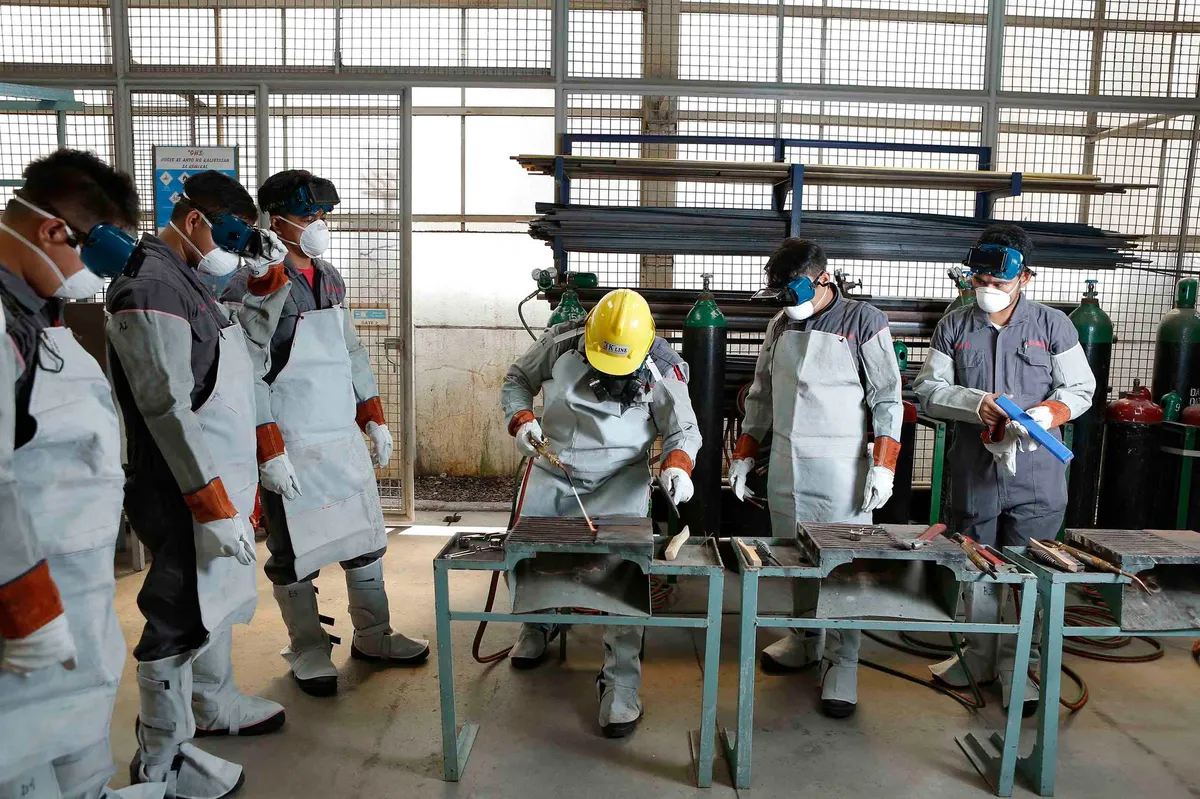
Looking Ahead: The Future of Work with AI
The future of work will likely feature a collaborative relationship between humans and AI. As companies embrace AI technologies, they will need to rethink job structures, workflows, and performance metrics. Rather than viewing AI as a replacement for human labor, businesses should see it as a tool to enhance productivity and creativity.
Rethinking Job Structures
The integration of AI into the workplace will necessitate a reevaluation of job roles. For example, routine tasks can be automated, allowing employees to focus on higher-value activities that require critical thinking, problem-solving, and emotional intelligence—areas where humans excel. This shift will not only lead to increased efficiency but also greater job satisfaction among employees.
The Importance of Collaboration
For a successful transition into this new era of work, collaboration among various stakeholders is crucial. Companies must work with educational institutions to align curricula with the skills needed in the AI-driven workforce. Moreover, governments can play a role by providing incentives for businesses to invest in employee training programs and by creating policies that support workforce adaptability.
As we navigate this evolving landscape, it is vital for companies and individuals alike to understand that AI is not an enemy but rather a partner in innovation. By focusing on the potential of AI to enhance human capabilities, we can prepare for a future where technology and talent coexist harmoniously.

Key Takeaways
- AI is transforming roles rather than eliminating jobs, according to Adecco Group's findings.
- Employment rates remain high, with AI integration not leading to widespread job losses.
- Historical industrial revolutions show that changes in technology can create new job opportunities.
- Upskilling and reskilling are essential strategies for adapting to AI's impact on the workforce.
- Collaboration among companies, governments, and educational institutions is crucial for workforce preparedness.
Frequently Asked Questions
What industries are most affected by AI integration?
AI is poised to impact various industries differently. Sectors such as manufacturing, retail, finance, and healthcare are experiencing significant changes. For example, in manufacturing, robotics and AI are automating repetitive tasks, while in finance, AI algorithms assist with data analysis and risk assessment. However, the degree of impact varies, and some industries may see job displacement while others may experience job creation.
How can individuals prepare for job changes due to AI?
Individuals can prepare for the shifting job landscape by actively seeking opportunities for upskilling and reskilling. This includes pursuing additional training, online courses, or certifications in areas that complement AI technologies. Networking with industry professionals and staying informed about trends can also help individuals navigate potential career changes.
Is there a risk of widening the skills gap due to AI?
Yes, there is a risk that the skills gap may widen if proactive measures are not taken. As AI technologies advance, those who lack access to training and education may find themselves at a disadvantage. To mitigate this risk, it is essential for companies, governments, and educational institutions to collaborate in creating programs that provide equitable access to skills development.
Comments
Popular in Guides
- Understanding the New Repayment Assistance Plan for Student Loans
- The Evolving Landscape of Remote Work: Trends and Insights for 2025
- OpenAI's Fidji Simo Steps Down Amid Health Challenges
- Pizza Chains Restructuring Amid Declining Sales and Rising Costs
- Exploring Oregon: The 10 Most Affordable Places to Live