The Digital Ownership Dilemma: Why DVDs Are Making a Comeback
Recent events highlight the precarious nature of digital ownership, prompting many to return to physical media like DVDs and Blu-rays. This article explores the implications of digital purchases and the resurgence of physical formats.
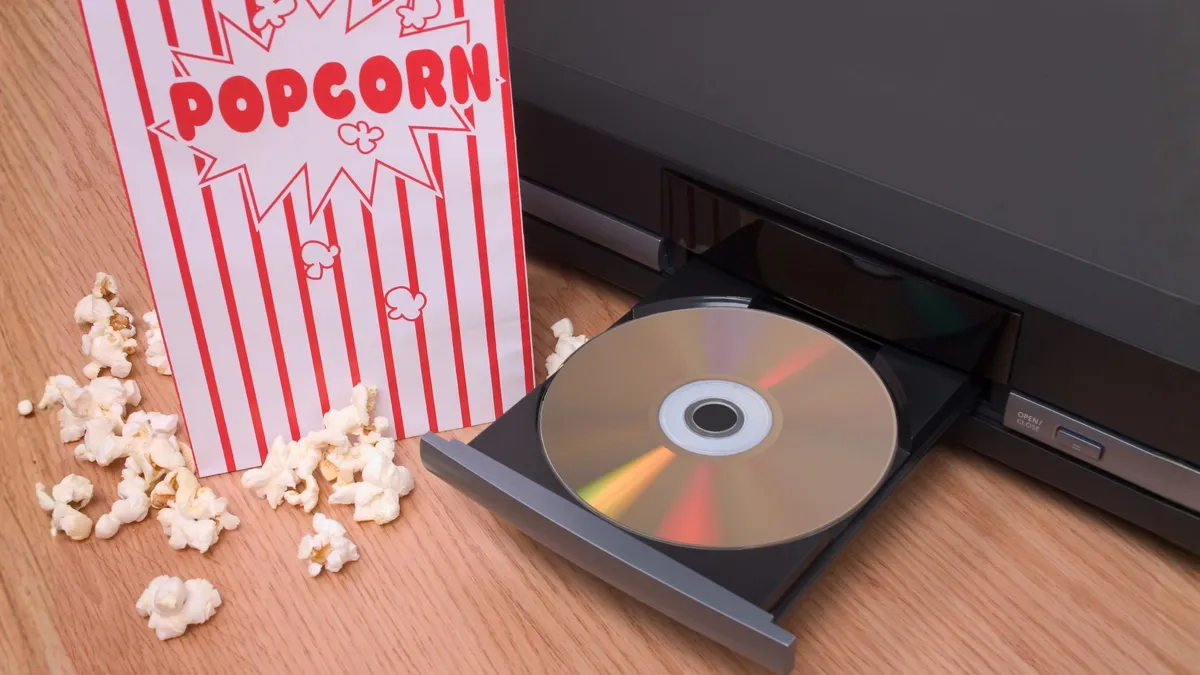
In an age where convenience reigns supreme, digital purchasing has become the norm for movies, music, and books. Purchasing a digital movie seems just as permanent as buying a physical DVD, right? Not quite. A recent controversy involving Sony has illuminated a significant flaw in the way consumers understand digital ownership, leading many to reconsider their media consumption habits. With hundreds of movies disappearing from users’ libraries due to a licensing dispute, it's clear that clicking 'Buy' on a digital platform often doesn’t equate to actual ownership. This realization is not just a fleeting moment of frustration; it’s part of a larger trend that’s seeing DVDs and Blu-rays make a surprising comeback as consumers seek the assurance of true ownership.
The Sony incident is a stark reminder of the precarious nature of digital rights. As more consumers face similar situations, many are beginning to view physical media not just as a relic of nostalgia, but as a smart financial decision in a landscape of rising subscription costs and unpredictable digital content availability.
The Sony Licensing Controversy: A Cautionary Tale
In July 2026, Sony removed roughly 500 movies from the digital libraries of users who had purchased them, citing the expiration of licensing agreements. This incident has reignited the long-standing debate over what it truly means to own digital content. Unlike purchasing a DVD or Blu-ray, which gives buyers full ownership of that physical copy, buying a digital movie often equates to acquiring a license to access the content under specific conditions. When licensing agreements change or expire, consumers can find themselves locked out of their purchases.
Understanding Digital Ownership
Most digital purchases operate under a licensing model, which can lead to several scenarios where access to purchased content can be revoked:
- Licensing Agreements Expire: Movie studios regularly renegotiate distribution rights, meaning a retailer might lose the rights to host certain content.
- Platform Shutdowns: Digital storefronts are not permanent fixtures; when they shut down, customers often lose access to their libraries.
- Changing Rights: Studios may sell or merge content libraries, affecting availability.
- Account Issues: Problems like forgotten passwords or account violations can temporarily or permanently restrict access to purchased content.
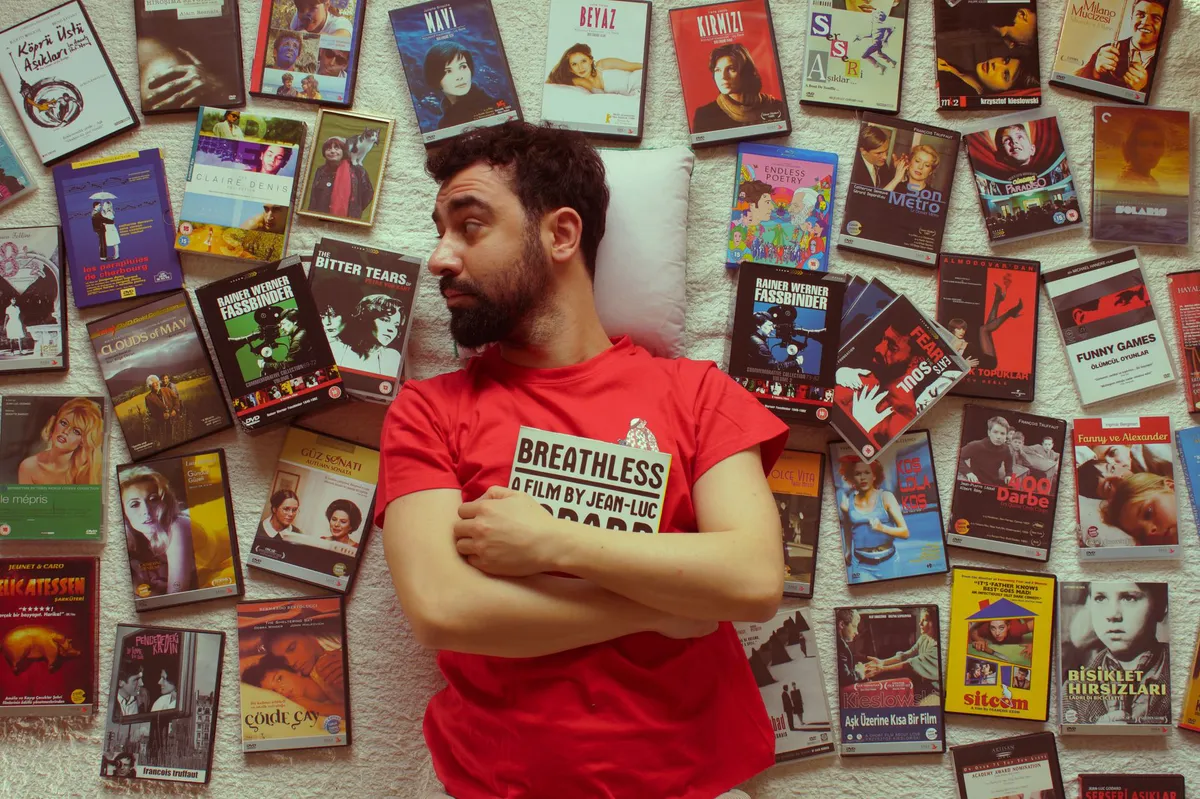
The Resurgence of Physical Media
The rise of streaming services had seemingly spelled doom for physical media. Yet, as digital ownership continues to reveal its vulnerabilities, DVDs and Blu-rays are re-establishing their place in consumers’ homes. This resurgence is driven by several factors:
Subscription Fatigue
With many households juggling multiple streaming subscriptions, the cost can add up quickly. Purchasing movies that are frequently watched can often be more economical than continuously subscribing to services that may only offer temporary access to those titles.
Content Uncertainty
Streaming libraries are constantly in flux, with beloved films disappearing as licensing agreements change. When a favorite movie is removed, viewers may find themselves scrambling to find it through rentals or other services.
Superior Quality
For audiophiles and cinephiles, 4K Blu-ray discs can offer superior video and audio quality compared to many streaming services, making physical copies a worthwhile investment for high-end home theater setups.
Collectability and Reliability
Physical media appeals to collectors, especially with the availability of special editions, director's cuts, and unique packaging. Moreover, DVDs and Blu-rays provide reliable access, free from the interruptions of internet connectivity or the whims of licensing agreements.
When Buying Physical Media Makes Financial Sense
While not every movie warrants a physical copy, there are specific scenarios where owning DVDs or Blu-rays can save consumers money:
- Frequent Viewings: Movies that are rewatched regularly, like holiday classics, can be more cost-effective to own outright rather than rent repeatedly.
- Children's Favorites: Kids often request the same films over and over; owning those titles can eliminate the frustration of their sudden unavailability.
- Hard-to-Find Films: Some independent or niche films may not be consistently available on streaming platforms, making ownership a more appealing option for enthusiasts.
- Box Sets and Special Editions: Collectors may find that purchasing box sets or special editions provides more value than what’s offered on streaming services.
When Streaming Still Wins
Despite the resurgence of physical media, streaming remains a viable option for many consumers. Here’s when it still makes sense to stick with digital:
- Casual Viewing: For those who only plan to watch a film once, renting or streaming is typically more economical.
- Exploring New Content: Streaming services provide vast libraries of films and shows for a monthly fee, ideal for viewers who enjoy discovering new content.
- Convenience: Streaming allows for easy access across multiple devices without the hassle of managing physical discs.
- Lower Upfront Costs: Building a physical collection can require a significant initial investment, while subscriptions offer a lower monthly payment for access to broad content.
Key Takeaways
- Digital purchases often equate to licensing agreements rather than true ownership.
- Recent licensing disputes highlight the risks associated with digital content access.
- Physical media is experiencing a renaissance as consumers seek reliability and ownership.
- Purchasing DVDs or Blu-rays can be financially wise for frequently watched films or hard-to-find titles.
- Streaming still offers significant advantages for casual viewers and those exploring new content.
Frequently Asked Questions
Why do digital purchases disappear?
Digital purchases can vanish due to a variety of reasons, primarily revolving around licensing agreements. If a retailer loses the rights to offer certain content, consumers may lose access to the movies they thought they owned. Platform shutdowns and account issues can also contribute to this problem, as users may find themselves locked out of their libraries without warning.
Are DVDs worth buying in the current digital age?
Yes, DVDs and Blu-rays can be worth buying, especially for films you watch frequently or titles that may not always be available on streaming services. Collectors and enthusiasts often value the special features and higher quality that physical media can provide, making it a worthwhile investment in certain circumstances.
How do I decide whether to buy digital or physical media?
Consider your viewing habits. If you find yourself rewatching certain titles regularly or enjoy collecting special editions, physical media may be a wise choice. Conversely, if you prefer exploring a wide variety of content casually, streaming services may offer better value and convenience.
Will streaming services continue to dominate media consumption?
While streaming services are currently popular and convenient, the uncertainties surrounding digital ownership could lead to a shift back toward physical media for some consumers. As awareness of these issues grows, individuals may start to seek a balance between digital convenience and the reliability of owning physical copies.
Disclaimer: This content is educational, not financial advice.
Comments
Popular in Guides
- Understanding the New Repayment Assistance Plan for Student Loans
- The Evolving Landscape of Remote Work: Trends and Insights for 2025
- OpenAI's Fidji Simo Steps Down Amid Health Challenges
- Pizza Chains Restructuring Amid Declining Sales and Rising Costs
- Exploring Oregon: The 10 Most Affordable Places to Live