Toyota's Bold EV Strategy: A Lesson in Strategic Investment Amid Industry Retreat
As the electric vehicle market faces a downturn, Toyota is doubling down on its EV initiatives, bucking industry trends. This decision may redefine the landscape of electric mobility in America.

The landscape of the American electric vehicle (EV) market is shifting dramatically. In what some may call a bold move, Toyota has chosen to maintain and even expand its electric vehicle offerings, despite a broader industry retreat. As rivals scramble to cut back on electric initiatives in response to dwindling sales and significant financial losses, Toyota's unwavering commitment to EVs could redefine consumer expectations and reshape the competitive landscape of the automotive industry. This article explores the implications of Toyota's strategy, the current state of the EV market, and what this means for potential buyers.
In the first half of 2026, the electric vehicle market experienced a noticeable downturn, with sales of all-electric vehicles plummeting by 23.8% compared to the previous year, according to data from Cox Automotive. This drop followed the expiration of a substantial federal subsidy worth $7,500 per vehicle, which had been a critical financial incentive for consumers. As a result, many automakers reported staggering losses, with nearly $70 billion in write-downs related to canceled and postponed electric vehicle programs. In stark contrast, Toyota has stood firm, planning to unveil new battery-electric models while adjusting its expenditure in other areas.
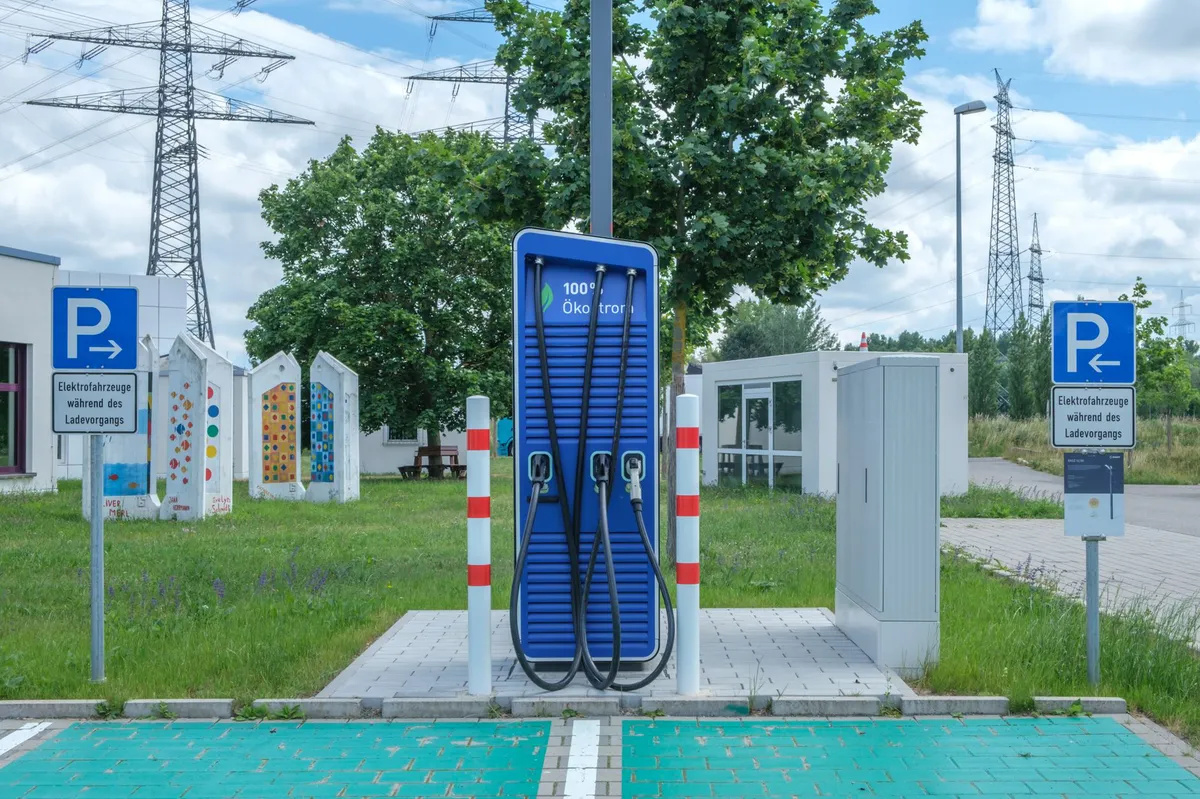
Toyota's Commitment to Electric Vehicles
In a market characterized by uncertainty and retreat, Toyota's decision to push forward with its electric vehicle rollout stands out. The automaker has announced plans to launch new battery-electric models through the remainder of the year, even as it tightens its budget elsewhere. This strategy indicates a deliberate pivot in resource allocation rather than a mere increase in spending; Toyota is reallocating its financial resources to emphasize electric vehicles while scaling back on less popular models.
The Highlander Electric Model: A Game Changer?
One of the most significant indicators of Toyota's dedication to electrification is its upcoming electric version of the Highlander, a family-friendly three-row SUV. Set to hit the market between late 2026 and early 2027, the Highlander EV serves as a strategic product that aims to cater to the growing demand for electric family vehicles. By committing to an electric-only version of a popular model, Toyota is betting on consumer preferences that favor both functionality and sustainability.
The Hybrid Strategy: Bridging the Gap
As Toyota continues to invest in electric vehicles, it also recognizes the importance of hybrids in its product lineup. In June, electrified vehicles (including hybrids) accounted for an impressive 57.4% of Toyota's U.S. sales, translating to a 35% increase in sales compared to the previous year. This substantial growth showcases the demand for vehicles that offer better fuel efficiency without necessitating a complete shift in consumer behavior.
- Hybrid vehicles provide a seamless transition for consumers hesitant to fully commit to electric vehicles.
- They leverage existing manufacturing capabilities, allowing Toyota to maintain profitability while investing in electric technology.
- Hybrid sales generate revenue that supports further development of EV technology.
By focusing on hybrids, Toyota is effectively using this segment to fund its electric initiatives, creating a financial ecosystem that supports both electrified and traditional vehicles.

The Impacts of Industry Retreat
While Toyota is forging ahead, the broader automotive industry is grappling with the consequences of a market realignment. Competitors like Honda have faced significant setbacks, with cancellations of electric projects and predictions of annual losses exceeding $15 billion. The write-downs incurred by these companies reflect more than just financial losses; they represent a broader shift in strategic direction that could have long-lasting effects on their competitive edge.
The Financial Toll on Rivals
With nearly $70 billion in write-downs reported across the industry, the financial implications are profound. Automakers that have invested heavily in electric vehicle programs now face the daunting task of recouping those losses while trying to pivot to more viable strategies. This cycle of investment, cancellation, and re-investment can stifle innovation and slow down the development of new technologies.

Consumer Considerations: What This Means for You
For American consumers, the implications of Toyota's strategy are significant. As the only large automaker expanding its electrified lineup during this downturn, Toyota's approach may lead to more stable resale values and greater availability of parts for its vehicles. If you're considering purchasing a new vehicle in the next 18 months, the expansion of Toyota's electrified offerings could offer a unique advantage.
What to Look for in the EV Market
As you navigate the shifting landscape of electric vehicles, consider the following factors:
- Model Availability: With Toyota's commitment to new electric models, look for options that align with your lifestyle needs.
- Resale Value: Models from a manufacturer that is expanding its lineup may hold better long-term value.
- Charging Infrastructure: Evaluate charging options in your area to ensure a seamless ownership experience.
Ultimately, the expiration of the federal EV tax credit may have altered purchasing incentives, but it has not diminished consumer interest in fuel-efficient vehicles. As Toyota continues to expand its electrified offerings, the automaker appears poised to capitalize on this enduring demand.
Key Takeaways
- Toyota is doubling down on electric vehicles amid industry-wide cutbacks.
- The Highlander EV launch signifies a commitment to family-oriented electric mobility.
- Hybrids are playing a crucial role in financing Toyota's EV strategy.
- The automotive market is seeing substantial write-downs as competitors pull back on electric initiatives.
- Consumers should consider model availability and resale value when purchasing an EV.
Frequently Asked Questions
Why is Toyota focusing on electric vehicles now?
Toyota is focusing on electric vehicles as a strategic move to capitalize on the existing demand for fuel-efficient cars, even as competitors withdraw from the market. By maintaining its commitment to EVs and hybrids, Toyota aims to position itself favorably in an evolving automotive landscape, ultimately benefiting from the long-term trend toward electrification.
What does the decline in EV sales mean for the industry?
The decline in EV sales indicates a significant market correction following the expiration of federal subsidies that incentivized electric vehicle purchases. Automakers are now reassessing their strategies, leading to cancellations of projects and substantial financial losses. This shift may alter the competitive dynamics of the industry, with some companies potentially falling behind in technological advancements.
How should consumers approach buying an electric vehicle now?
Consumers should approach buying an electric vehicle by considering the stability and growth of the manufacturer's lineup, as well as the availability of charging infrastructure. With Toyota expanding its offerings, potential buyers may find better resale values and a broader selection of models that meet their needs for fuel efficiency.
What can we expect from Toyota's EV strategy moving forward?
Moving forward, we can expect Toyota to continue its commitment to electric vehicles while leveraging its hybrid technology to support its EV initiatives. With strategic model launches and a focus on consumer needs, Toyota is well-positioned to navigate the challenges of the current market and emerge as a leader in electrification.
This content is educational, not financial advice.
Comments
Essential Financial Checklist for Your 50s: Preparing for Retirement
As you approach retirement age, your 50s are crucial for securing your financial future. This comprehensive checklist outlines key strategies to help you stay on track, manage debt, and prioritize your health, ensuring a comfortable retirement.

Related articles
Popular in Guides
- Understanding the New Repayment Assistance Plan for Student Loans
- The Evolving Landscape of Remote Work: Trends and Insights for 2025
- OpenAI's Fidji Simo Steps Down Amid Health Challenges
- Pizza Chains Restructuring Amid Declining Sales and Rising Costs
- Exploring Oregon: The 10 Most Affordable Places to Live