Renovation Boom: A Practical Guide for Homeowners Amid Housing Market Challenges
As the housing market faces affordability issues, many homeowners are opting for renovations instead of relocations. Discover how to choose the right projects and manage costs effectively.

The American housing market is experiencing a seismic shift, prompting homeowners to reconsider their living spaces rather than their addresses. With skyrocketing home prices and rising mortgage rates, many are finding that the most practical financial decision is to invest in renovations. A recent survey from Citizens Financial Group revealed that nearly half of homeowners now view remodeling as the most realistic option for their families. This trend reflects not only a desire for personalized living spaces but also a response to the limited housing inventory, which has plummeted by 17% since the pandemic began.
As the renovation boom continues, homeowners are eager to transform their existing homes into ideal living environments. With an average home price increase of 54% since 2020, many are reluctant to sell their homes, especially with the current mortgage rates hovering around 6% to 6.5%. The result? A growing wave of home improvement projects aimed at enhancing functionality and comfort, allowing families to remain in their beloved neighborhoods.
Understanding the Renovation Landscape
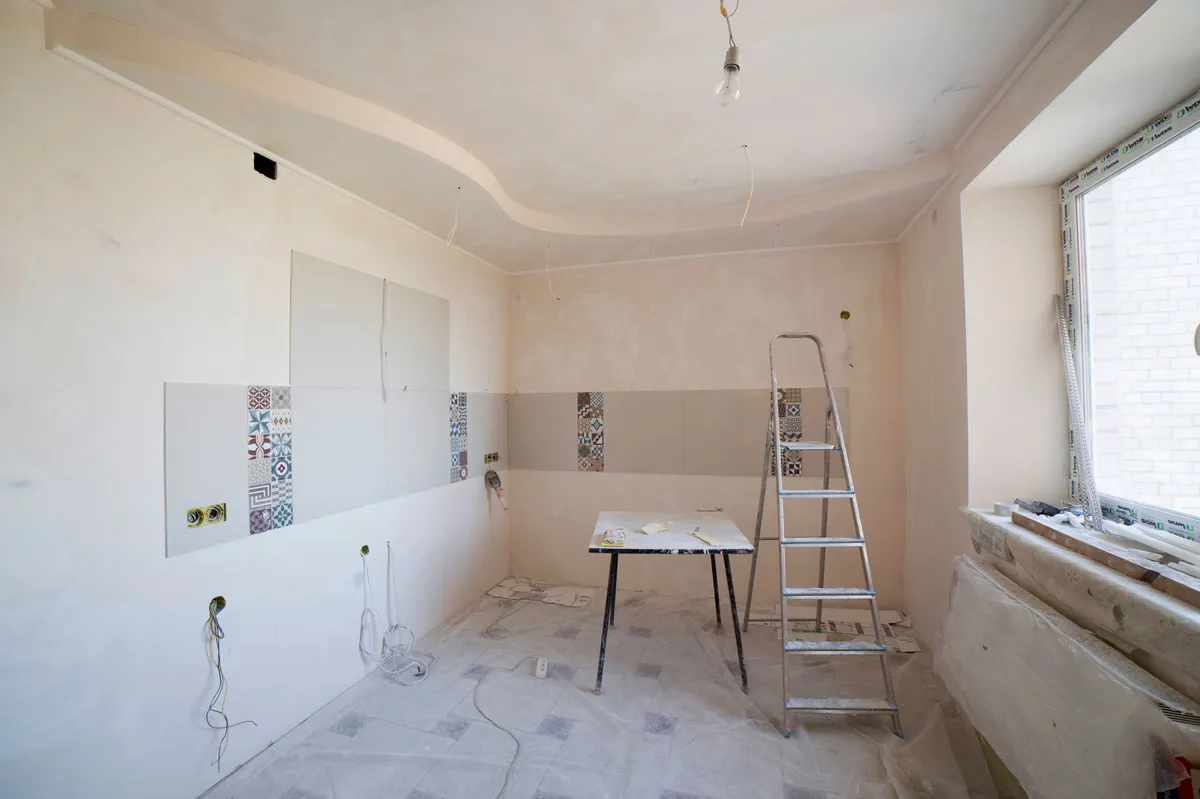
The surge in renovations stems from a combination of economic pressures and personal priorities. Homeowners facing affordability issues often find that moving to a new home is not a viable option. Instead, they are opting to enhance their existing homes through strategic remodeling projects. This shift not only benefits homeowners but also stimulates local economies as contractors and suppliers are called upon to undertake various projects.
The Current Housing Market Climate
Currently, homeowners are grappling with a housing market that is both competitive and expensive. With fewer properties available for sale, the pressure to move has lessened. Instead, many are focusing on renovations that can increase both the functionality and value of their homes. Linda Kody, a broker in North Andover, Massachusetts, notes that homeowners are finding it difficult to locate alternatives they love as much as their current homes. As a result, they are choosing to remodel rather than relocate.
Choosing the Right Renovation Projects
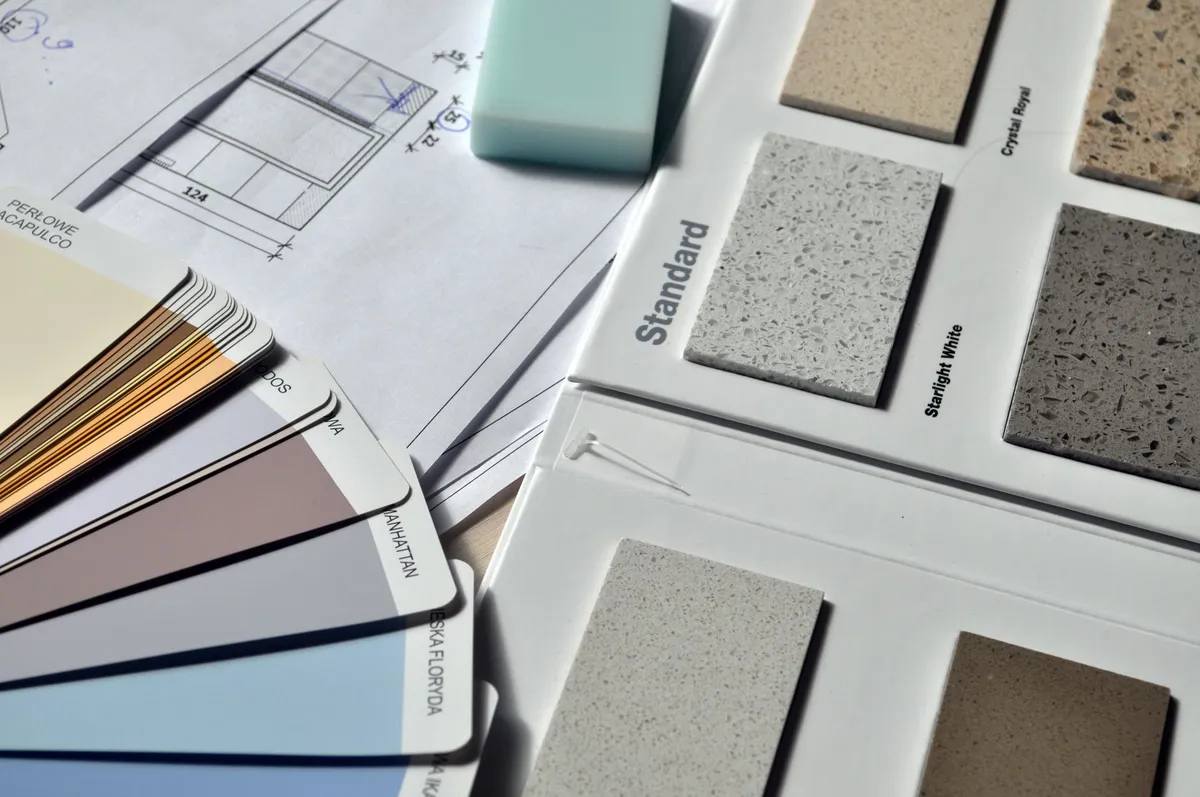
When embarking on a renovation journey, it is essential to approach the process with a strategic mindset. Homeowners should consider their immediate maintenance needs and how their lifestyle may evolve. For instance, if you plan to stay in your home long-term, integrating elements that facilitate aging in place—such as walk-in showers or zero-step entryways—can significantly enhance your living experience as you grow older.
- Prioritize Necessary Repairs: Address urgent maintenance issues first, such as roof leaks or electrical upgrades, to maintain your home's value.
- Focus on High-Use Areas: Kitchens and bathrooms yield high resale value; consider minor remodels or upgrades.
- Enhance Curb Appeal: Exterior improvements, like garage door replacements or siding upgrades, can boost your home's attractiveness and value.
Strategic Planning for Future Needs
Louis Tenenbaum, CEO of HomeRenewed Ventures, emphasizes the importance of preparing your home for the future. By completing necessary projects simultaneously rather than in stages, homeowners can save on costs and reduce stress. Think about how your needs may change over time and plan renovations that will support your lifestyle for years to come.

Managing Renovation Costs Effectively
While renovations can be a significant investment, careful planning can help keep costs under control. Begin with a clear budget and get quotes from multiple contractors. It's advisable to obtain at least three itemized bids to gain an understanding of costs and what each contractor offers. On average, architectural and design services can cost around $6,600, making it crucial to choose professionals with experience in your area.
Budgeting for Unexpected Expenses
When planning your renovation budget, it’s wise to add an additional 20% to cover unexpected costs that may arise during the project. This buffer can account for structural issues or code upgrades that might be necessary as renovations progress. Mari Adam, a financial planner, highlights the importance of being prepared for such surprises, especially in older homes where hidden problems can surface.
Choosing Quality Without Breaking the Bank
To keep costs manageable, consider opting for midrange fixtures and materials, which can provide a balance between quality and affordability. Additionally, if you have flexibility in your timeline, you may find better availability and pricing from contractors, ultimately saving you money.

Financing Your Renovation: Exploring Options
For many homeowners, tapping into their home's equity through refinancing can be a viable option to finance renovations. Given the current interest rates, it's important to compare offers and determine if refinancing makes sense for your financial situation. Tools like Bankrate can assist you in evaluating the best refinancing options available in the market.
Consider Alternatives to Traditional Financing
If refinancing is not an option or if you prefer to avoid it, consider other financing methods such as personal loans or home equity lines of credit (HELOCs). These alternatives can provide the necessary funds for your renovation projects without the long-term commitment of a traditional mortgage refinance.
Key Takeaways
- Many homeowners are choosing renovations over relocations due to affordability issues.
- Strategic planning and prioritizing projects are essential for successful renovations.
- Keep a budget and prepare for unexpected expenses during the renovation process.
- Explore financing options, including refinancing and personal loans, to fund your projects.
Frequently Asked Questions
What types of renovations are most valuable for resale?
When considering renovations for resale value, focus on high-demand areas like kitchens and bathrooms. Minor updates, such as new countertops and fixtures, can yield significant returns. Additionally, enhancing curb appeal through exterior improvements—like landscaping and siding updates—can also make a property more attractive to potential buyers.
How can I find a reliable contractor for my renovation project?
Finding a reliable contractor requires thorough research. Start by asking for recommendations from friends, family, or neighbors. Online platforms can also help you find reputable contractors with positive reviews. Once you have a list, interview multiple contractors, ask for references, and check their credentials to ensure they are licensed and insured.
What should I consider before starting a renovation project?
Before starting a renovation project, evaluate the purpose and scope of the renovation. Consider how it fits into your long-term plans and whether the improvements will enhance your lifestyle or increase your home's value. Additionally, set a realistic budget and timeline to ensure you manage the project effectively.
Are there tax benefits for home renovations?
While most home renovations do not offer immediate tax benefits, certain energy-efficient upgrades may qualify for tax credits or deductions. It's essential to consult with a tax professional to understand what improvements might be eligible and how to document them properly for tax purposes.
Disclaimer: This content is educational and not financial advice.
Comments
Popular in Guides
- Understanding the New Repayment Assistance Plan for Student Loans
- The Evolving Landscape of Remote Work: Trends and Insights for 2025
- OpenAI's Fidji Simo Steps Down Amid Health Challenges
- Pizza Chains Restructuring Amid Declining Sales and Rising Costs
- Exploring Oregon: The 10 Most Affordable Places to Live