Global Electric Vehicle Sales Surge, But U.S. Market Struggles
While global electric vehicle sales see a 9% increase in July 2026, the U.S. market faces significant challenges. This article explores the factors contributing to this disparity and what it means for American consumers.
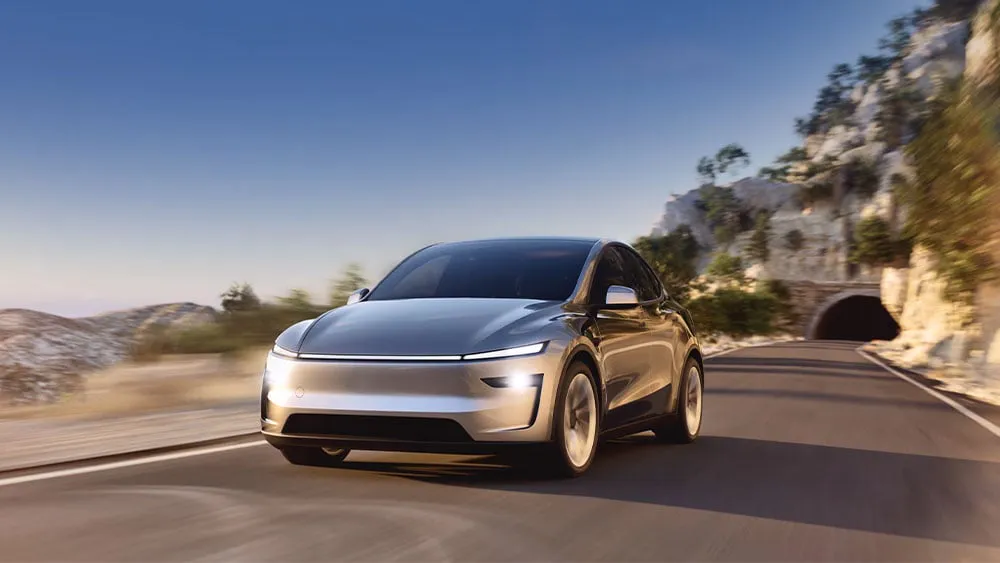
The electric vehicle (EV) market is experiencing a remarkable surge globally, with July 2026 sales rising 9% compared to the previous year. This growth has been propelled by advancements in technology, increased consumer acceptance, and supportive government policies in various regions. However, the picture is not as rosy in the United States, where EV sales are lagging behind. As the global market for electric vehicles continues to accelerate, understanding the dynamics at play in both the international and U.S. markets is crucial for consumers, investors, and policymakers alike.
According to estimates from Benchmark Mineral Intelligence, global EV sales reached approximately 1.85 million units in July alone. This brings the year-to-date total to around 11.5 million electric vehicles, representing a 4% increase over the same period in 2025. While these figures are promising, the U.S. market's struggles highlight a complex array of challenges that could affect the transition to electric mobility in America.
Global EV Sales: A Closer Look
The global electric vehicle market has been characterized by robust growth, driven by several key factors:
- Technological Advancements: Continuous improvements in battery technology, such as increased energy density and lower costs, have made electric vehicles more appealing to a broader audience.
- Government Incentives: Many countries have implemented policies to encourage EV adoption, including tax breaks, rebates, and investments in charging infrastructure.
- Consumer Awareness: With rising concerns about climate change and air quality, more consumers are considering electric vehicles as a viable alternative to traditional gasoline-powered cars.
Challenges Facing the U.S. EV Market
Despite the optimistic global outlook, the U.S. EV market is grappling with a range of issues that hinder its growth:
Infrastructure Limitations
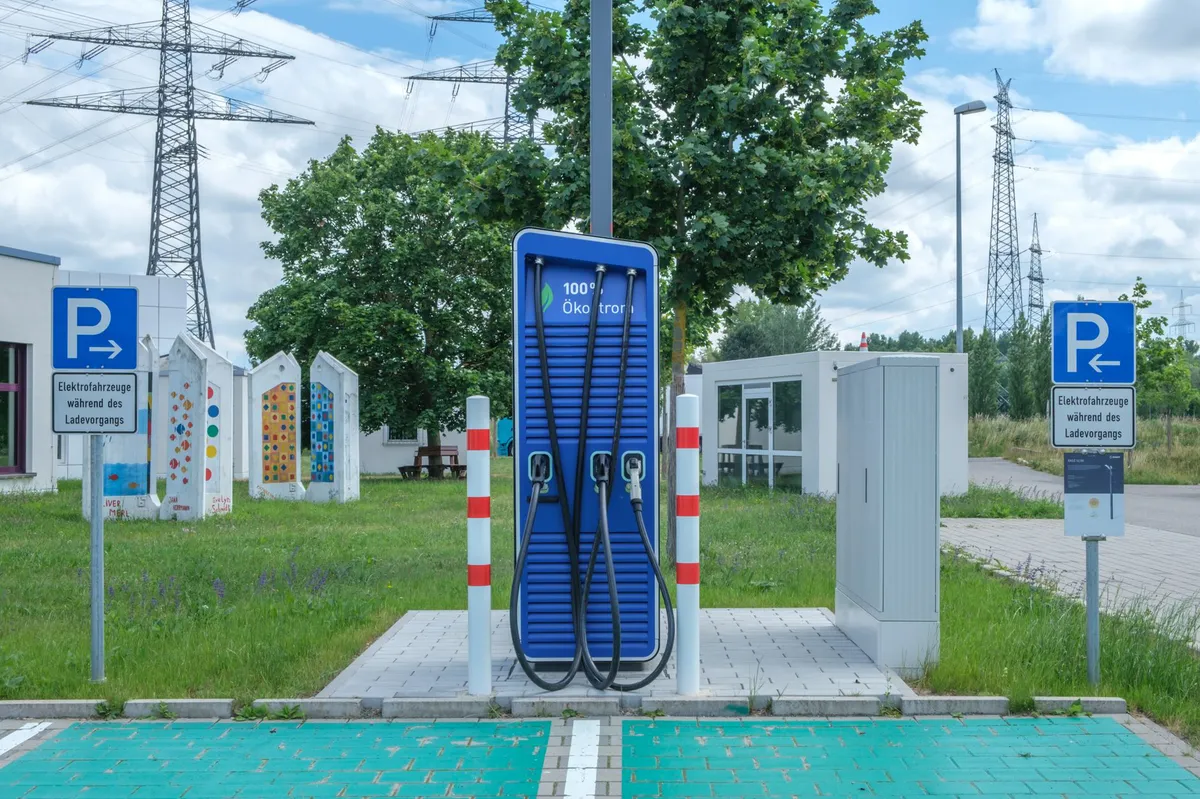
A lack of sufficient charging infrastructure remains a significant barrier to EV adoption in the United States. While urban areas may have better access to charging stations, rural regions often lack the necessary facilities, discouraging potential buyers who fear being unable to charge their vehicles.
Regulatory Hurdles
Unlike some countries that have established clear and supportive regulations for EVs, the U.S. regulatory environment is fragmented. Different states have varying policies regarding EV incentives and infrastructure development, creating confusion and inconsistency for consumers and manufacturers alike.
Market Competition
The U.S. automotive market is highly competitive, with established car manufacturers investing heavily in electric vehicles. However, the rapid pace of innovation from newer companies, such as Tesla, has created a challenging landscape. Traditional automakers are racing to catch up, which can lead to oversaturation and price wars that may ultimately affect profitability and sustainability in the EV sector.

The Role of Consumers and Investors
As the EV market evolves, both consumers and investors must adapt to these changes. For potential buyers, understanding the total cost of ownership for electric vehicles, including savings on fuel and maintenance, is essential. Additionally, consumers should be informed about available incentives and rebates that can significantly reduce the initial purchase price of an EV.
For investors, the growth of the EV market presents opportunities but also risks. Companies that are leading the charge in innovation and technology are likely to see substantial returns, but investors should remain cautious of market volatility and the potential for regulatory changes that could impact profitability.
Looking Ahead: The Future of EVs in the U.S.
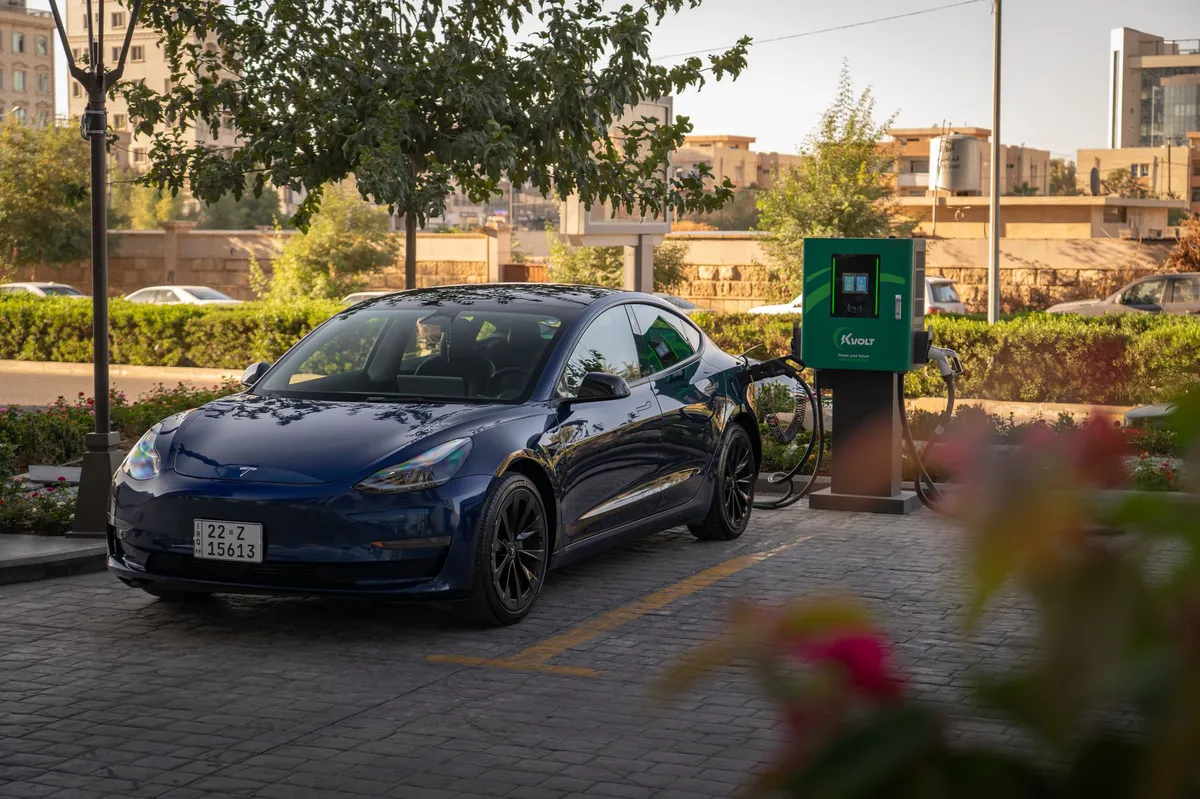
While the U.S. electric vehicle market faces challenges today, there are signs of hope for the future. Increased investment in charging infrastructure, more favorable government policies, and growing consumer demand can help turn things around. As manufacturers ramp up production and competition increases, prices may decrease, making electric vehicles more accessible to a wider audience.
Moreover, the push for sustainability and the need to address climate change will likely continue to drive interest in electric vehicles. As more Americans recognize the benefits of EVs, including lower emissions and the potential for long-term savings, the market could see a significant turnaround.
Key Takeaways
- Global electric vehicle sales have increased by 9% in July 2026, with total sales hitting 11.5 million year-to-date.
- The U.S. market struggles due to infrastructure limitations, regulatory hurdles, and market competition.
- Consumers should weigh the total cost of ownership and take advantage of available incentives when considering an EV purchase.
- Investors should stay informed about market trends and potential risks in the evolving EV landscape.
Frequently Asked Questions
What are the main benefits of electric vehicles?
Electric vehicles offer a range of benefits, including lower operating costs, reduced emissions, and decreased dependence on fossil fuels. EVs can be cheaper to maintain than traditional gas-powered cars, as they have fewer moving parts and require less frequent servicing. Additionally, many consumers find that savings on fuel and tax incentives can significantly offset the higher initial purchase price.
How can I find charging stations for electric vehicles?
Finding charging stations has become easier with the proliferation of mobile apps and websites dedicated to mapping charging locations. Popular services like PlugShare and ChargePoint provide real-time information on charging station availability, types of chargers, and user reviews. Many electric vehicle manufacturers also include charging station locators in their vehicle’s navigation systems.
What should I consider when buying an electric vehicle?
When purchasing an electric vehicle, consider factors such as range, charging options, total cost of ownership, and available incentives. Determine how often you will drive and whether the vehicle's range meets your needs. Additionally, investigate local charging options and any state or federal incentives that can help reduce the cost of your purchase.
Are there any tax incentives for buying an electric vehicle?
Yes, many consumers may be eligible for federal tax credits when purchasing an electric vehicle. The specifics can vary based on the vehicle model and battery capacity, along with state incentives that may be available. It's essential to research current tax credits and rebates applicable to your situation to maximize savings on your EV purchase.
This content is educational, not financial advice.
Comments
Popular in Guides
- Understanding the New Repayment Assistance Plan for Student Loans
- The Evolving Landscape of Remote Work: Trends and Insights for 2025
- OpenAI's Fidji Simo Steps Down Amid Health Challenges
- Pizza Chains Restructuring Amid Declining Sales and Rising Costs
- Exploring Oregon: The 10 Most Affordable Places to Live