Avoid These 7 Costly Money Mistakes When Traveling Abroad
Traveling internationally can be exhilarating, but financial missteps can quickly drain your budget. Learn about seven common money mistakes to avoid, ensuring you make the most of your travel funds.
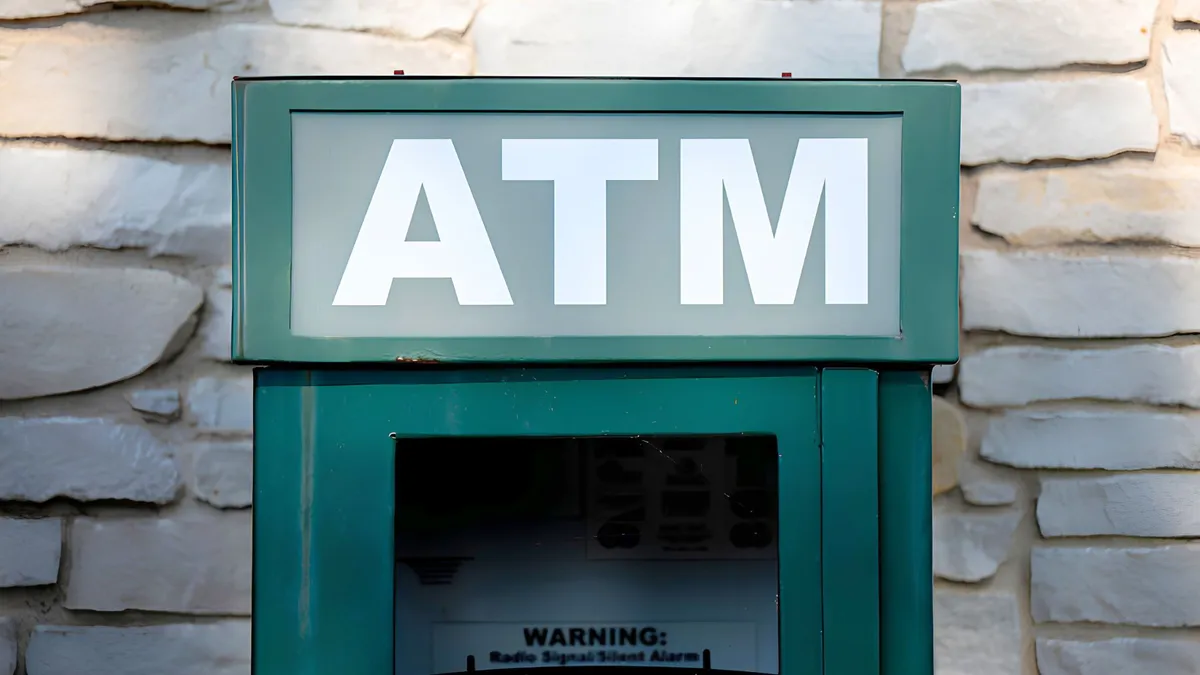
Traveling abroad can be one of life's most enriching experiences, offering a chance to immerse yourself in different cultures, cuisines, and breathtaking landscapes. However, while you may have meticulously planned your itinerary and budget, there are often hidden financial pitfalls that can derail your travel plans. From unfavorable currency exchanges to costly fees on purchases, understanding how to manage your money while traveling is crucial for preserving your budget. Here, we explore seven common money mistakes that travelers often make and provide actionable advice to help you avoid them.
Understanding Currency Conversion
One of the most significant aspects of managing finances while traveling overseas is understanding currency conversion. Many travelers may not realize that how you pay for goods and services can lead to unexpected costs.
1. Dynamic Currency Conversion Dangers
Dynamic currency conversion (DCC) is a service offered by some merchants and ATMs that allows you to pay or withdraw cash in your home currency, such as U.S. dollars. While this might seem convenient, it often comes at a steep price. The exchange rates used for DCC are typically less favorable than those your bank would offer, and additional fees may also be included in the markup.
To avoid these extra costs, always opt to pay in the local currency. This means letting your credit card network handle the conversion, which usually yields a better exchange rate. By doing this, you can save a significant amount of money, especially on larger purchases.
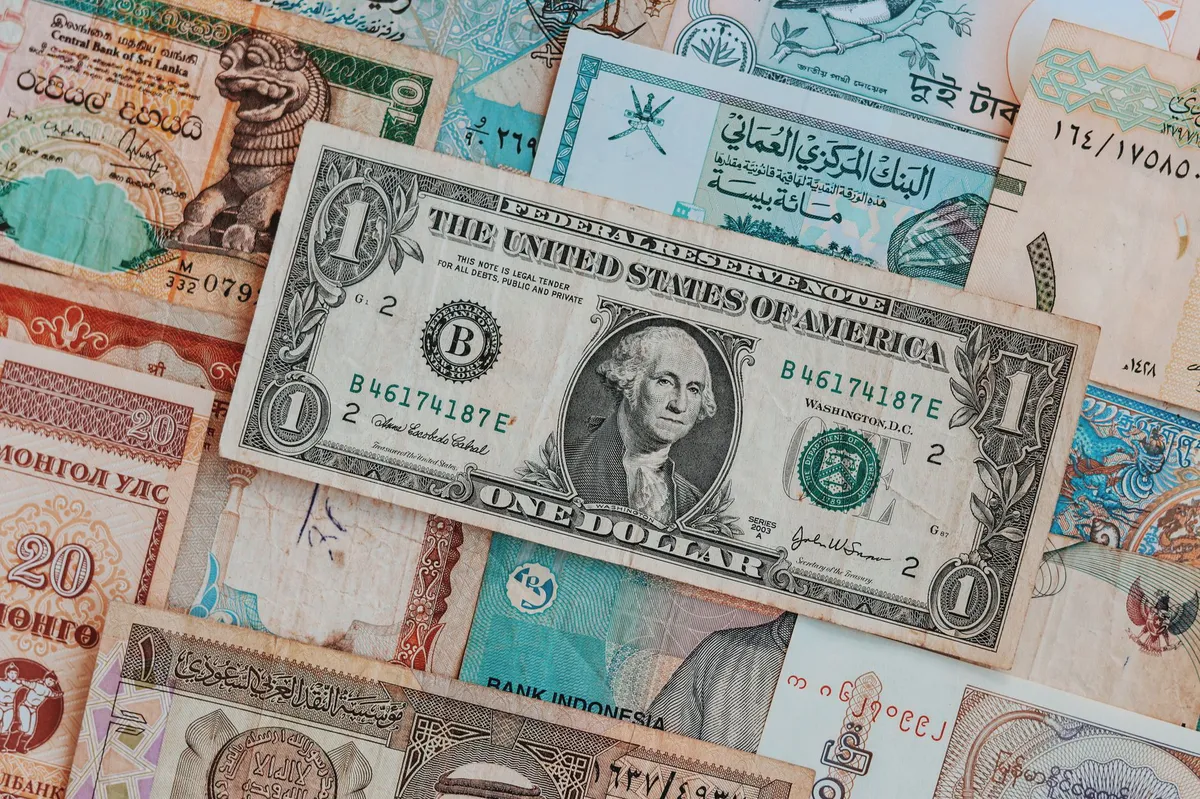
Choosing the Right Currency Exchange Method
When it comes to exchanging money, the method you choose can significantly impact your travel expenses.
2. Avoid Airport Currency Exchange Booths
While airport currency exchange booths are convenient, they often offer poor exchange rates and high fees. If possible, avoid exchanging currency at the airport. Instead, consider ordering foreign currency from your bank before your trip or withdrawing cash from a bank-operated ATM upon arrival. Bank ATMs typically offer better rates and lower fees compared to independent ATMs found in tourist areas.
3. Using Non-Bank ATMs
When you need cash while abroad, always look for ATMs operated by reputable banks rather than independent machines in hotels or tourist areas. Independent ATMs can charge exorbitant fees and may provide unfavorable conversion rates. Even when using bank ATMs, be mindful of possible transaction fees from both the ATM operator and your own bank. Some banks offer partnerships with foreign banks that can reduce or eliminate these fees, so it’s worth checking your bank's policies before you leave.
Understanding Transaction Fees
Along with currency conversion, transaction fees can eat away at your travel budget if you’re not careful.
4. Foreign Transaction Fees
Many credit cards apply a foreign transaction fee, typically around 3% of each purchase made outside the U.S. While this may not seem significant for a single transaction, it can add up quickly over the course of a trip. For instance, if you spend $6,000 during your travels, a 3% fee would cost you an additional $180. Before traveling, review your credit card's terms to see whether it charges foreign transaction fees. If it does, consider switching to a travel credit card that offers no foreign transaction fees.
5. Cash Advances on Credit Cards
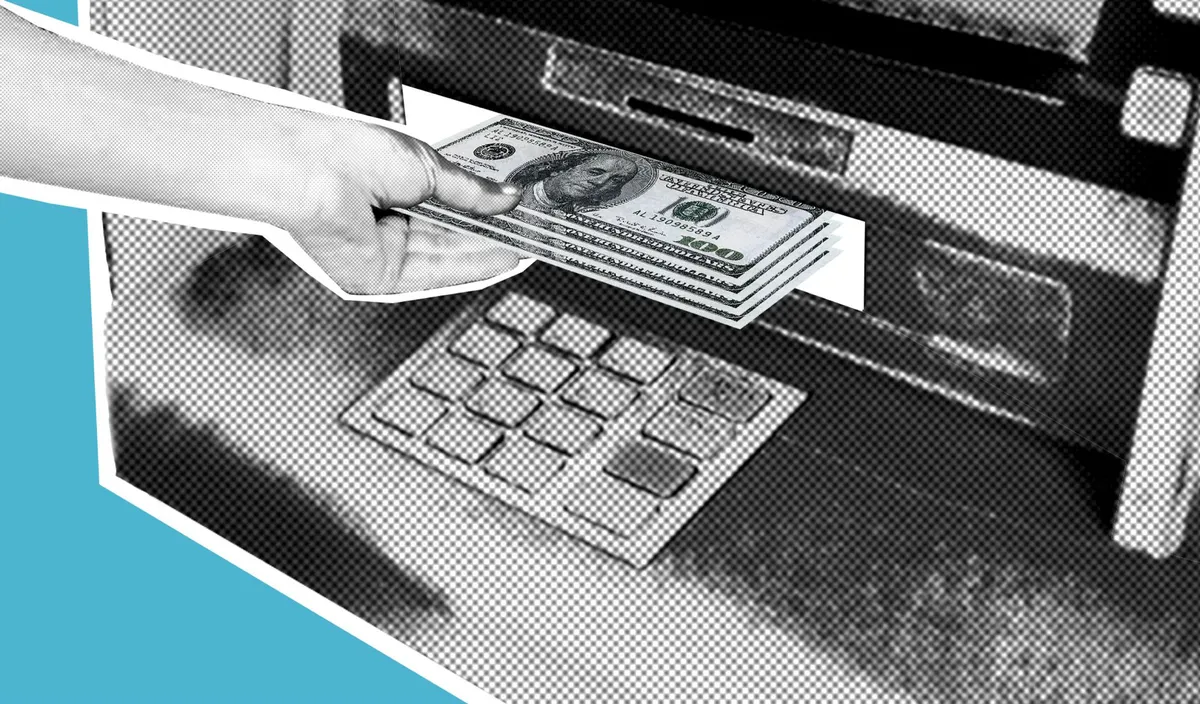
If you find yourself in need of cash, taking a cash advance on your credit card might seem like a quick solution. However, cash advances come with high fees (often around 3% to 5% of the transaction) and start accruing interest immediately—no grace period like regular purchases. Instead, use a debit card for withdrawals to avoid these costly pitfalls.
Managing Cash Wisely
While cash is sometimes necessary for small purchases or tips, carrying too much can lead to other issues.
6. The Risks of Carrying Too Much Cash
It might be tempting to withdraw a large sum of cash before your trip, but this can expose you to theft or loss. Furthermore, if you end up with leftover foreign currency, converting it back to U.S. dollars can incur additional fees. Instead, plan to carry a mix of cash and cards. Keep a small amount of cash for immediate needs, and store any backup cash separately to minimize risk.
7. Not Planning Ahead
Proper planning can save you a great deal of money and stress while traveling. Before you go, familiarize yourself with your payment options, including which ATMs to use and whether your cards charge foreign transaction fees. A proactive approach can prevent costly mistakes and leave you with more money to spend on experiences rather than fees.
Key Takeaways
- Always opt for local currency when paying or withdrawing cash abroad to avoid unfavorable exchange rates.
- Avoid airport currency exchange booths and independent ATMs; use bank-operated ATMs for better rates and lower fees.
- Check your credit card's foreign transaction fees and consider a travel card that charges no fees.
- Limit cash withdrawals to reduce the risk of loss or theft; carry only what you need.
- Plan ahead to understand your payment options and avoid unnecessary costs.
Frequently Asked Questions
What is dynamic currency conversion, and why should I avoid it?
Dynamic currency conversion allows you to pay in your home currency instead of the local currency when making a purchase abroad. While it may seem convenient, it often comes with a higher exchange rate and hidden fees compared to letting your bank handle the conversion. To save money, always choose to pay in the local currency.
How can I find the best ATM to use while traveling?
To find the best ATM, look for machines operated by banks rather than independent providers. Bank ATMs typically offer better exchange rates and lower fees. Additionally, check with your bank to see if they have partnerships with foreign banks that allow for fee-free withdrawals.
Should I carry cash when traveling abroad?
Yes, it’s wise to carry some cash for small purchases or tips. However, avoid carrying large amounts to minimize the risk of loss or theft. A good strategy is to use a combination of cash and card payments, keeping emergency cash stored separately from your main wallet.
What are foreign transaction fees, and how can I avoid them?
Foreign transaction fees are charges that some credit cards impose when you make purchases outside the U.S. These fees can typically be avoided by using a credit card that does not charge foreign transaction fees. Before your trip, review your credit card terms and consider switching to a travel credit card if necessary.
Disclaimer: This content is educational and not financial advice.
Comments
Top Member's Mark Products Every Sam's Club Shopper Should Try
Discover the best Member's Mark products at Sam's Club that can save you money while delivering quality. From household essentials to delicious food options, this guide highlights customer favorites worth adding to your cart.

Related articles
Popular in Guides
- Understanding the New Repayment Assistance Plan for Student Loans
- The Evolving Landscape of Remote Work: Trends and Insights for 2025
- OpenAI's Fidji Simo Steps Down Amid Health Challenges
- Pizza Chains Restructuring Amid Declining Sales and Rising Costs
- Exploring Oregon: The 10 Most Affordable Places to Live