Lessons from the Pandemic: Understanding the Impact on Children's Health
As the dust settles from the pandemic, what have we learned about children's health and education? Dr. Stanley Calderwood offers insights into the effects of COVID-19 on kids and the necessity of balancing science with public policy.
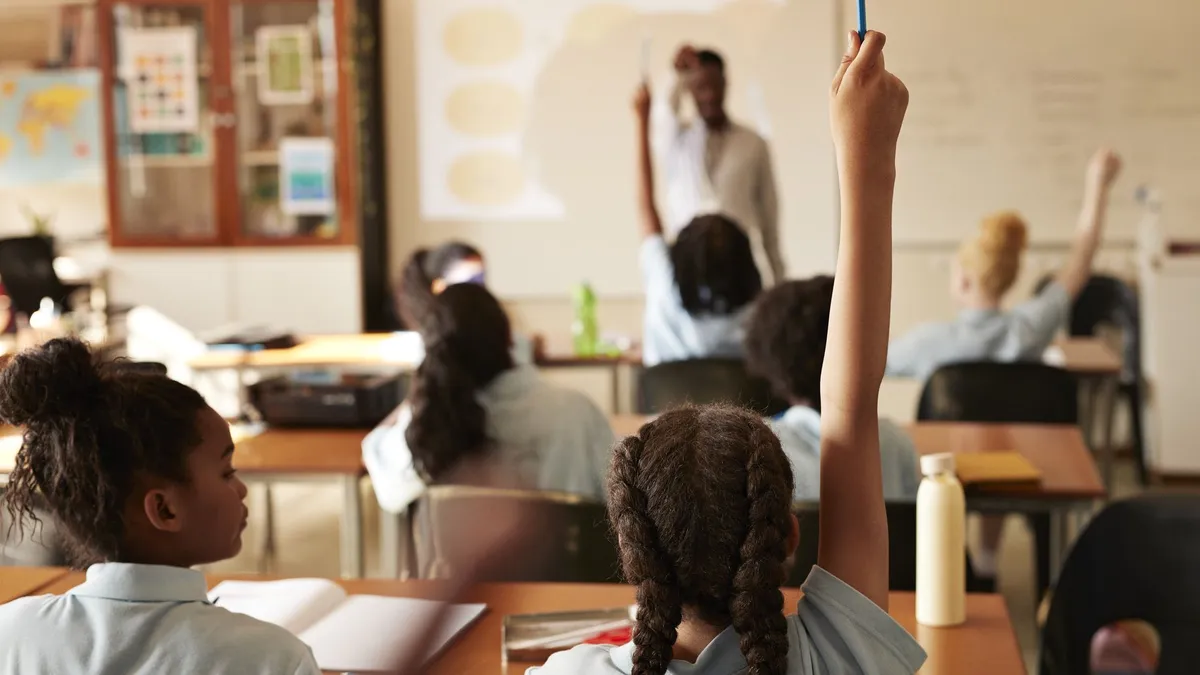
The COVID-19 pandemic presented unprecedented challenges, especially for families with school-aged children. As schools shut down and a wave of uncertainty swept across the nation, parents were left grappling with a haunting question: What toll did these years take on our children? Dr. Stanley Calderwood, a veteran pediatrician with three decades of experience, delves into the complex impact of the pandemic on children in his book, COVID-19, Children and the Lasting Impact: A Parent's Guide to the Global Pandemic. He argues that the political decisions surrounding school closures often overshadowed the scientific realities about children's vulnerability to the virus.
Dr. Calderwood’s work highlights the need for a deeper understanding of how public health responses can affect young lives. He raises critical questions about the necessity of school closures and whether these actions ultimately protected children or hindered their development. With the release of Dr. Anthony Fauci's pandemic diaries, Calderwood’s insights come at a crucial time for re-evaluating our approach to public health in the context of children.
Understanding Children's Vulnerability to COVID-19
When the pandemic began, children were often portrayed as significant vectors for COVID-19 transmission, leading to widespread school closures. However, Dr. Calderwood emphasizes that children are generally less susceptible to severe outcomes from the virus compared to adults. His clinical practice throughout the pandemic allowed him to collect valuable data, revealing that many children who tested positive for COVID-19 were asymptomatic or experienced only mild illness.
Key Findings from Clinical Observations
Based on his observations, Calderwood noted several crucial points:
- Asymptomatic Cases: Approximately half of the children who tested positive showed no symptoms at all.
- Mild Illness: Most symptomatic children experienced mild to moderate symptoms, recovering within a week.
- Biological Factors: The lower number of ACE-2 receptors in children's cells limits the virus's ability to establish a serious infection.
These findings challenge the narrative that children were a significant danger in the pandemic and raise questions about the decisions made regarding school closures.
The Consequences of Lockdowns on Child Development
One of Calderwood’s strongest arguments centers on the detrimental effects of prolonged school closures on children's social and academic development. He argues that education is not merely about academic knowledge; it's also about life skills, social interactions, and emotional growth. The lockdowns effectively halted this developmental process at critical stages for many children.
Impact on Educational Outcomes
During the pandemic, many children missed essential learning opportunities. Calderwood points out that:
- Early Learning: Critical windows for language and math skill development were lost.
- Social Skills: Children were deprived of essential social interactions that help develop interpersonal skills.
- Long-term Effects: The lack of in-person education could result in long-lasting educational deficits and challenges.
Such insights are particularly alarming, given the increasing recognition of educational negligence in the wake of the pandemic. It opened the floodgates for class action settlements aimed at funding remedial education for affected students.
The Role of Science in Public Health Policy
Dr. Calderwood emphasizes the importance of grounding public health policy in sound scientific principles rather than political ideologies. He recalls the flawed reasoning that led to widespread lockdowns, comparing the U.S. response with countries that chose to remain open. Nations like Japan, Taiwan, and Sweden adopted alternative strategies to manage the pandemic without resorting to extended school closures.
Lessons from History
Calderwood draws parallels between the pandemic and historical events, such as the Revolutionary War, where vaccination played a pivotal role in protecting soldiers from smallpox. George Washington's decision to vaccinate troops is an early example of using science to combat disease—an approach that was overshadowed during the COVID-19 pandemic by public distrust in vaccines.
Looking Ahead: Preparing for Future Crises
As we move forward, Calderwood urges a reevaluation of how we respond to public health crises, particularly regarding children. His book serves as a guide for parents, educators, and policymakers to understand the lasting impact of COVID-19 and to forge better strategies for future pandemics.
Recommendations for Future Policies
Some recommendations include:
- Data-Driven Decisions: Policies should be based on robust scientific data rather than political pressures.
- Support Systems: Increased funding for educational resources and mental health support for children adversely affected by the pandemic.
- Community Engagement: Involving parents and educators in discussions about public health measures to create a more informed and cooperative response.
Key Takeaways
- Children are generally less vulnerable to severe COVID-19 outcomes than adults.
- Prolonged school closures may have lasting negative effects on children's education and social skills.
- Public health policies should prioritize science over politics to better protect children's welfare.
- Historical lessons from vaccination practices highlight the importance of trust in science.
- Future responses should involve community engagement and robust support systems for affected families.
Frequently Asked Questions
What are the main health impacts of COVID-19 on children?
While most children experience mild illness or are asymptomatic, some may develop serious cases or long COVID. The majority of pediatric cases show minimal symptoms, but close monitoring and care are essential for those with pre-existing conditions or other vulnerabilities.
How can parents support their children’s education after the pandemic?
Parents can help their children catch up by engaging in supportive learning practices at home, encouraging reading and math activities, and advocating for additional educational resources in schools. Collaborating with teachers and utilizing community resources can also enhance learning experiences.
What role does vaccination play in protecting children from COVID-19?
Vaccination is a critical tool in preventing severe illness from COVID-19. While children are less likely to experience serious complications from the virus, vaccines can help reduce transmission rates and protect vulnerable populations, including those with underlying health conditions.
What steps can schools take to improve educational outcomes post-pandemic?
Schools should focus on tailored educational interventions, such as remediation programs and mental health support. Collaboration with parents and community resources can bridge the gaps created during the pandemic and foster a more effective learning environment.
This article is intended for educational purposes only and does not constitute financial advice.
Comments
Popular in Guides
- Understanding the New Repayment Assistance Plan for Student Loans
- The Evolving Landscape of Remote Work: Trends and Insights for 2025
- OpenAI's Fidji Simo Steps Down Amid Health Challenges
- Pizza Chains Restructuring Amid Declining Sales and Rising Costs
- Exploring Oregon: The 10 Most Affordable Places to Live