Current Mortgage and Refinance Rates: What You Need to Know
As of July 18, 2026, mortgage rates are seeing a slight decline, providing potential homebuyers and homeowners looking to refinance some relief. This article explores the current rates, the implications for borrowers, and strategies for securing the best deals.
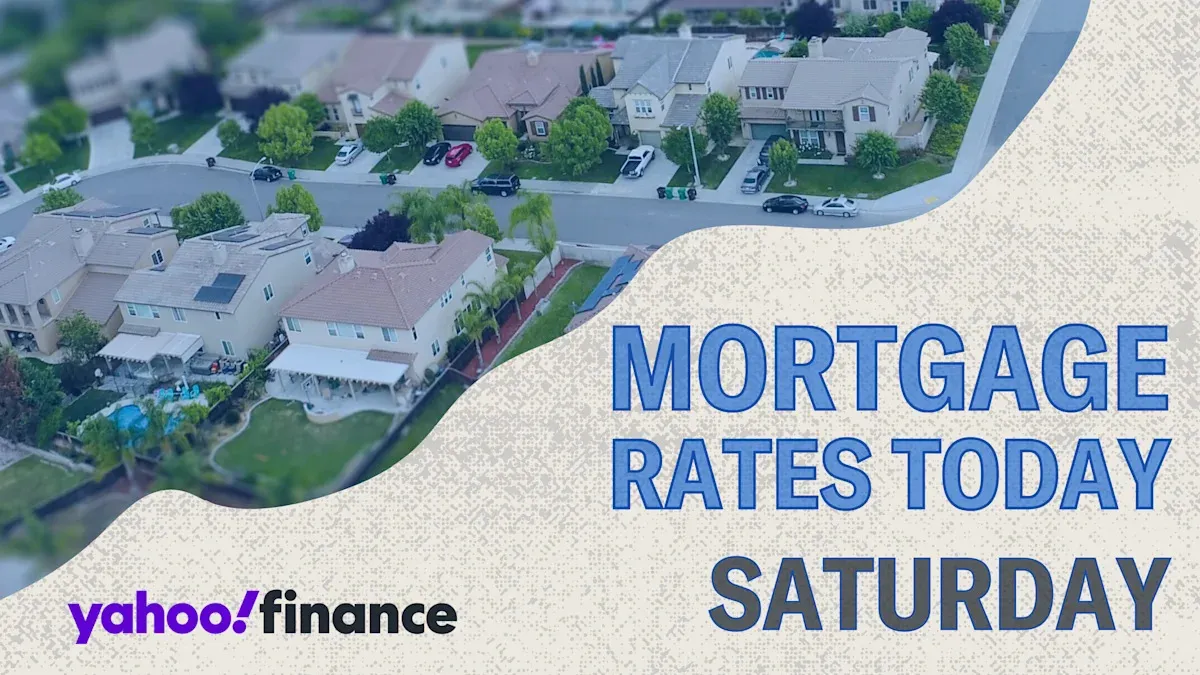
As the weekend approaches, potential homebuyers and current homeowners alike are paying close attention to mortgage and refinance rates. As of July 18, 2026, the latest data reveals a welcome dip in interest rates, which could open doors for many in the housing market. With the average 30-year fixed rate now at 6.48%, a decrease of 4 basis points, and the 15-year fixed rate dropping to 5.90%, it's clear that today’s rates warrant a closer look.
In a climate where economic factors are constantly shifting, understanding the nuances of mortgage rates becomes crucial for making informed financial decisions. Whether you're contemplating buying your first home, upgrading, or refinancing your existing mortgage, let's delve deeper into the current landscape of mortgage rates and what it means for you.

Current Mortgage Rates Overview
According to Zillow's data gathered from the lender marketplace, the latest average mortgage rates are as follows:
- 30-year fixed: 6.48%
- 20-year fixed: 6.18%
- 15-year fixed: 5.90%
- 5/1 ARM: 6.46%
- 7/1 ARM: 6.35%
- 30-year VA: 5.93%
- 15-year VA: 5.47%
- 5/1 VA: 5.75%
These rates are national averages rounded to the nearest hundredth and can vary based on several factors, including the borrower's creditworthiness, the size of the down payment, and the specific lender's policies.

Understanding Mortgage Refinance Rates
Refinancing your mortgage can be a strategic move, especially when rates are declining. As of today, the average refinance rates are:
- 30-year fixed: 6.48%
- 20-year fixed: 6.26%
- 15-year fixed: 5.74%
- 5/1 ARM: 6.28%
- 7/1 ARM: 6.36%
- 30-year VA: 5.80%
- 15-year VA: 5.70%
- 5/1 VA: 5.58%
It's important to note that refinance rates are often higher than purchase mortgage rates, but with the current drop, many homeowners are reconsidering their options. If you've been contemplating refinancing, understanding the potential benefits and drawbacks is key.

Pros and Cons of Different Mortgage Types
When deciding on a mortgage, you typically have two primary options: fixed-rate and adjustable-rate mortgages (ARMs). Each has its own set of advantages and disadvantages.
30-Year Fixed Mortgages
Pros:
- Lower Monthly Payments: Spreading payments over a longer term typically results in lower monthly costs.
- Predictability: Your interest rate remains constant, allowing for stable budgeting.
Cons:
- Higher Interest Costs: Over time, you'll pay more interest than you would with shorter terms.
- Longer Commitment: You're locked into a longer repayment period.
15-Year Fixed Mortgages
Pros:
- Lower Rates: Typically, you’ll receive a lower interest rate compared to a 30-year mortgage.
- Less Interest Paid Overall: You’ll pay off your mortgage faster and save on total interest.
Cons:
- Higher Monthly Payments: The same loan amount is paid off in half the time, resulting in higher payments.
Adjustable-Rate Mortgages (ARMs)
Pros:
- Lower Initial Rates: Often, ARMs start with lower rates than fixed-rate mortgages.
- Potential for Lower Payments: If rates remain low, you could pay significantly less monthly.
Cons:
- Rate Uncertainty: After the initial fixed period, rates can increase unpredictably, leading to higher payments.
Is Now a Good Time to Buy a Home?
With the current decline in mortgage rates and a more stable housing market than seen in previous years, many experts believe it could be a good time to consider buying a home. Home prices are stabilizing after the rapid increases during the COVID-19 pandemic, and with rates still lower than last year, buyers might find themselves in a favorable position.
Ultimately, the decision to buy should be based less on trying to time the market and more on your personal circumstances, such as your financial stability, job security, and long-term goals. Timing the housing market can be as unpredictable as timing the stock market, so focus on what makes sense for your life.

Key Takeaways
- Mortgage rates have decreased slightly, with the 30-year fixed rate at 6.48%.
- Refinance rates are also showing a decline, making it a potentially advantageous time to refinance.
- Understand the pros and cons of different mortgage types to choose what fits your financial situation.
- Consider personal circumstances rather than trying to time the market when deciding to buy a home.
Frequently Asked Questions
Why do mortgage rates vary between different sources?
Mortgage rates can vary significantly based on the source reporting them due to differences in data collection methods. For instance, Zillow gathers rates from its lender marketplace and updates them daily, while Freddie Mac averages rates from loan applications submitted weekly. Additionally, rates can differ based on geographical location, lender policies, and the type of mortgage. Thus, it's crucial for borrowers to shop around and compare rates from multiple lenders to find the best deal.
Are mortgage rates expected to decrease further?
Forecasts for mortgage rates suggest that the 30-year fixed rate may hover between 6.4% and 6.5% for the remainder of 2026. However, these predictions can fluctuate based on economic conditions, inflation, and Federal Reserve policies. Staying informed about market trends can help borrowers make timely decisions regarding home purchases or refinancing.
How can I secure the lowest refinance rate?
To obtain the best refinance rate, borrowers should focus on improving their credit score and reducing their debt-to-income ratio (DTI). Additionally, considering refinancing into a shorter-term loan can often yield lower rates, although it may lead to higher monthly payments. It's also advisable to shop around and compare offers from various lenders, as rates can vary widely.
Is now a good time to refinance my mortgage?
Given the recent drop in mortgage rates, many homeowners are reconsidering refinancing options. If your current rate is significantly higher than the current averages, it may be worth exploring refinancing to save on interest payments. However, it's essential to evaluate your long-term plans and consult with a financial advisor to determine if refinancing aligns with your financial goals.
Disclaimer: This content is educational and not financial advice.
Comments
Understanding Mortgage Discount Points: A Smart Investment or Not?
Mortgage discount points offer potential savings on your mortgage, but deciding whether to pay for them can be tricky. This guide explains how they work, their benefits, and how to evaluate if they are right for you.

Related articles

Popular in Mortgages
- Current Mortgage and Refinance Rates: Insights for Homebuyers
- Essential Guide to Refinancing Your Mortgage Before 2026
- New Housing Law Aims to Boost Affordability: What Buyers and Sellers Should Know
- Why Renting May Be a Smarter Choice Than Buying a Home Near Retirement
- The Mortgage Dilemma: Should You Pay Off Your Home Before Retirement?