Is Refinancing Your Mortgage Worth It? Real Homeowner Insights
As mortgage rates fluctuate, many homeowners are contemplating refinancing. This article examines three real-life experiences to help you decide if refinancing makes financial sense for you.
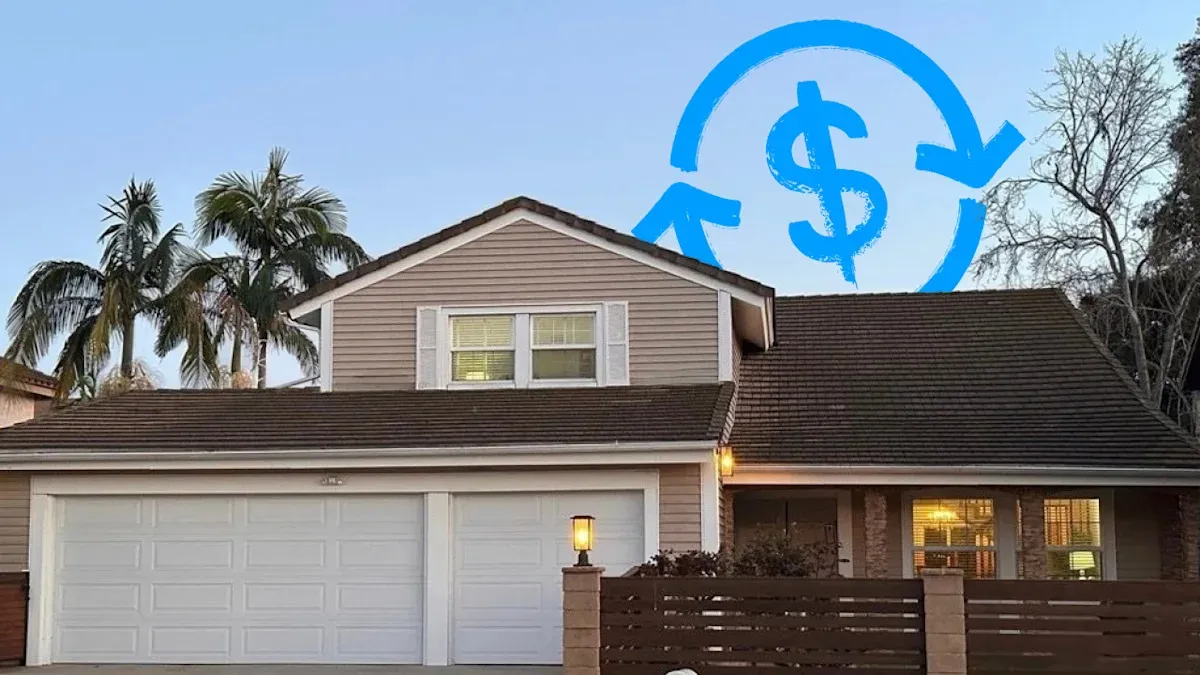
The fluctuating landscape of mortgage rates has left many homeowners pondering whether they should refinance their existing loans. As rates rise and fall, the opportunity to secure a lower payment or better terms can bring significant financial relief. Yet, refinancing isn’t a one-size-fits-all solution; it requires careful consideration of various factors including interest rates, closing costs, and personal financial goals. In this article, we will explore the experiences of three homeowners who navigated the refinancing process, delving into their motivations, challenges, and outcomes.
Understanding the Refinancing Landscape
Refinancing a mortgage involves replacing an existing loan with a new one, often with a different interest rate or term. Homeowners typically choose to refinance to reduce their monthly payments, access home equity, or alter the loan duration. Although it can be a powerful financial tool, refinancing also comes with costs and risks that need to be weighed carefully.
For many homeowners, the decision to refinance hinges on whether they can lower their interest rate by at least 0.75 percentage points. Experts recommend that homeowners do their homework to ensure the financial benefits outweigh the costs. Given the complexity of mortgage interest, amortization schedules, and potential fees, it is crucial to perform the necessary calculations before making a decision.

Case Study 1: Bob and Kristy Bradley - Aiming for Lower Payments
Bob Bradley, a publicist from Orange County, California, and his wife Kristy, faced the challenge of finding a home suitable for their blended family. In June 2024, they purchased a home at a 6.125% interest rate after selling Bob's previous condominium, which had a much lower 2% rate. After nearly two years of monitoring the mortgage market, they decided to refinance in March 2026, securing a 5.5% 30-year mortgage that reduced their monthly payments by approximately $300.
Long-Term Planning and Future Goals
While the immediate savings were beneficial, Bob expressed a desire to avoid a lengthy mortgage into his retirement years. He aims to refinance again, this time possibly opting for a shorter 15-year term if he can secure a rate below 5%. This strategy not only would allow them to pay off their home sooner but also to save significantly on interest over the life of the loan. Bob's approach exemplifies the long-term planning essential in mortgage financing.

Case Study 2: Rebecca's Strategy to Avoid Being 'House Poor'
Rebecca, a 32-year-old Dallas resident, and her husband initially purchased a home with a 3% rate but opted for a larger property near their jobs, settling for a 7% mortgage in 2024. Recognizing that they wanted to avoid being “house poor”—a situation where homeowners spend a large portion of their income on housing expenses—Rebecca kept a close watch on market trends. By February 2026, they refinanced to a new 5.59% 30-year mortgage that allowed them to regain financial stability.
Maximizing Financial Benefits
The savings from refinancing were enough to cover Rebecca’s new car payment, illustrating how refinancing can free up cash for other financial obligations. It’s worth noting that Rebecca initially went with a lender recommended by her real estate agent, but she suggests that homeowners compare offers from multiple lenders to maximize their savings. This advice aligns with the findings that nearly 90% of homebuyers may be unknowingly overpaying.

Case Study 3: Michael and Shalyn Downs - Stretched Budgets
Michael Downs and his wife Shalyn, residing in rural Missouri, constructed their home with an 8% construction-to-permanent loan in 2023. As costs rose unexpectedly, including higher property taxes and utility bills, they began to feel financially squeezed. After monitoring interest rates, they seized the opportunity to refinance to an adjustable rate of 5.1% with a $6,000 one-point buydown. This adjustment brought their monthly payments in line with their budget, allowing them to manage other rising costs.
Making Tough Choices
Although refinancing reset their loan term to 30 years, Michael recognized the importance of maintaining their home amid increasing expenses. According to Chris Mayer, CEO of Longbridge Financial, the data indicates that many homeowners prioritize keeping their homes, even if it means extending their loan duration. This highlights the essential role refinancing can play in providing financial relief during tough economic times.
Evaluating the Financial Impact of Refinancing
Understanding the financial implications of refinancing is pivotal. Consider the following key factors:
- Loan Amount: The original loan amount significantly affects savings potential.
- Interest Rates: A decrease of 0.75% or more is generally advisable for refinancing.
- Loan Terms: Opting for shorter terms can save on total interest but may increase monthly payments.
- Closing Costs: These typically range from 2-5% of the loan amount and should be factored into your decision.
For example, if you purchased a $400,000 home with a 30-year mortgage at a 7% rate, your monthly payment would be approximately $2,661. After two years of payments, you would have paid around $55,449 in interest. Refinancing to a lower 6% rate could decrease your payment to $2,348, yielding substantial savings over the life of the loan. However, resetting the amortization clock means you will pay more in interest overall. Conversely, opting for a 20-year refinance might increase your monthly payment to $2,805 but save you significantly in total interest payments.

Key Takeaways
- Refinancing can lower your monthly payments, but careful math is essential.
- Consider both short-term savings and long-term financial goals when refinancing.
- Shop around for lenders to avoid overpaying and maximize benefits.
- Understand the costs and implications of resetting loan terms.
- Monitor market trends to act when rates are favorable.
Frequently Asked Questions
What are the costs associated with refinancing?
Refinancing costs typically range from 2-5% of the loan amount. These costs can include application fees, appraisal fees, title insurance, and closing costs. Homeowners can choose to pay these costs upfront or roll them into the new loan, but be aware that rolling them into the loan increases the total interest paid over time.
How do I know if refinancing is right for me?
To determine if refinancing is the right choice, analyze your current interest rate, remaining loan balance, and your financial goals. If you can reduce your rate by at least 0.75% and plan to stay in your home long enough to recoup closing costs, refinancing may be beneficial. Using a refinancing calculator can also help you visualize potential savings.
Can refinancing impact my credit score?
Yes, refinancing can temporarily affect your credit score. When you apply for a new loan, the lender will perform a hard inquiry, which can slightly lower your score. Additionally, if you close old accounts or take on new debt, it might impact your credit utilization ratio. However, if you make timely payments on your new loan, your score can improve over time.
How often can I refinance my mortgage?
There is no limit to how often you can refinance your mortgage, but lenders typically require you to have owned the loan for a certain period before refinancing again. Additionally, each refinance will incur closing costs, so it’s essential to ensure that the financial benefits outweigh these costs.
This content is educational and not financial advice.
Comments
Understanding HELOCs and Home Equity Loans: Rates and Choices Explained
As home equity loan (HEL) and home equity line of credit (HELOC) rates converge, homeowners face crucial decisions. Learn how to choose between these financial products based on your needs, current rates, and market conditions.

Related articles
Popular in Mortgages
- Current Mortgage and Refinance Rates: Insights for Homebuyers
- Essential Guide to Refinancing Your Mortgage Before 2026
- New Housing Law Aims to Boost Affordability: What Buyers and Sellers Should Know
- Why Renting May Be a Smarter Choice Than Buying a Home Near Retirement
- The Mortgage Dilemma: Should You Pay Off Your Home Before Retirement?