Navigating the K-Shaped Economy in the Housing Market
The housing market reveals stark disparities as luxury home sales thrive while starter-home buyers struggle. Understanding these dynamics is crucial for potential homebuyers and investors.
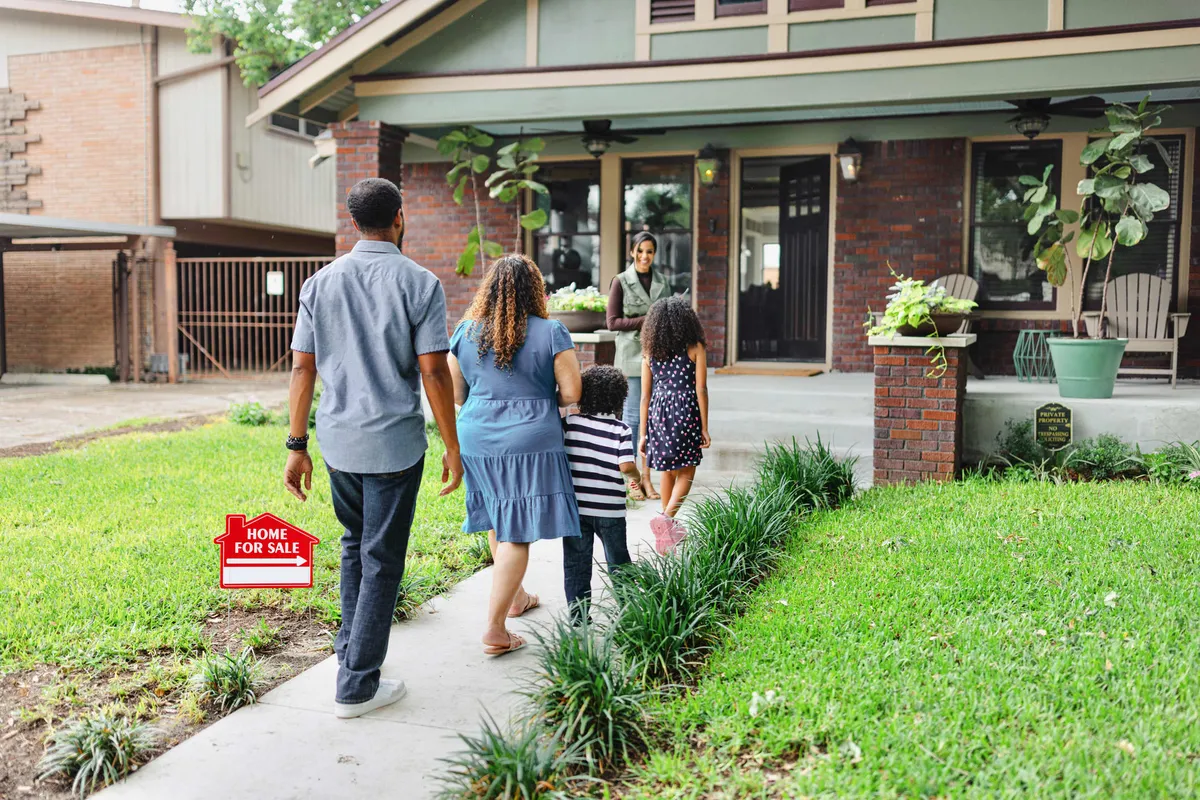
The current housing market is a stark representation of the K-shaped economy, where different segments of society are experiencing divergent economic outcomes. While luxury home sales are thriving, starter-home buyers are left grappling with affordability issues. This ongoing divide highlights the complexities of home buying in today's economic climate, making it essential for prospective buyers and investors to understand the underlying factors influencing these trends.
In May, sales of starter homes, defined as properties in the lowest-priced third of the market, fell by 5.4% compared to the previous year, despite a 4.5% increase in inventory. The average value of these homes reached $202,000, marking a slight increase of 2.3% from the same period in 2022. According to Kara Ng, a senior economist at Zillow, this decline in sales is not due to a lack of options but rather the increasing financial strain on potential buyers. As inflation continues to affect household budgets, many starter-home buyers find themselves unable to save for down payments or make competitive offers.
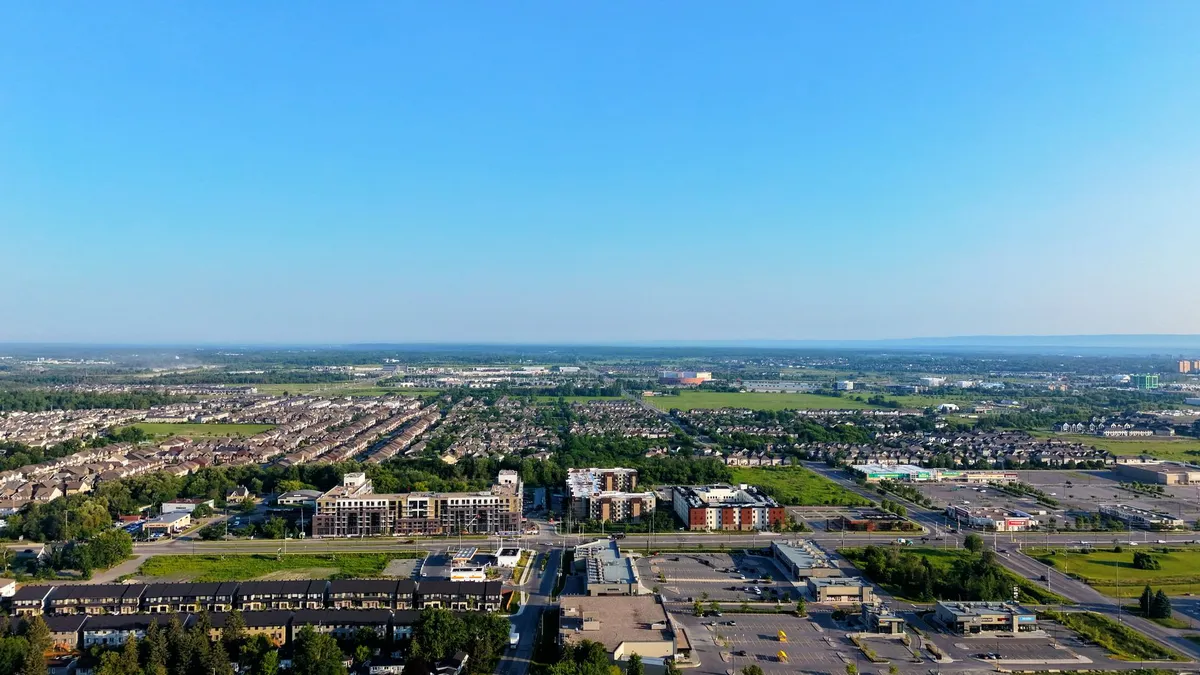
The Growing Divide: Luxury vs. Starter Homes
In stark contrast to the struggles of first-time buyers, the luxury housing market is flourishing. Sales of luxury homes, which encompass the top 5% of properties with an average price of approximately $1.9 million, saw a 6.2% increase year-over-year in May. This trend is emblematic of a broader economic divide, where higher-income households, buoyed by stock market gains, are experiencing significant wealth accumulation, enabling them to invest in high-end real estate.
Understanding the K-Shaped Economy
The term K-shaped economy describes a situation where different segments of the population recover at different rates following an economic downturn. In the housing sector, this phenomenon manifests as luxury buyers capitalizing on their financial advantages, while lower-income and first-time buyers struggle with rising costs. The disparity is underscored by the fact that while home prices have slowed their growth, the median price of an existing home reached an all-time high of $440,600 in June 2023, reflecting a nearly 50% increase since June 2020.

Interest Rates and Affordability Challenges
One of the most significant factors impacting home affordability is the rise in mortgage interest rates, which averaged 6.75% for a 30-year fixed-rate mortgage as of mid-June 2023. This marks a notable increase from rates that dipped below 6% earlier in the year. Daryl Fairweather, chief economist for Redfin, emphasizes that high interest rates coupled with elevated home prices severely limit the purchasing power of potential buyers. For instance, a mortgage of $202,000 at 6.75% results in a monthly payment of approximately $1,310 for principal and interest. In contrast, if interest rates were to decrease to 5%, the monthly payment would drop to around $1,084, offering a more accessible option for many buyers.
Impact of Rising Costs on Homebuyers
Beyond interest rates, other costs associated with homeownership, such as property taxes and insurance, have also risen significantly since 2019. These expenses can add hundreds of dollars to a buyer's monthly mortgage payment, further exacerbating affordability challenges. For many first-time buyers, the combination of high home prices and elevated costs means that homeownership may remain out of reach for the foreseeable future.

Legislative Efforts to Address Housing Supply
In response to the ongoing housing crisis, legislation such as the bipartisan 21st Century ROAD to Housing Act was enacted in July. This law aims to increase housing supply through various measures, including incentives for home construction, expanded access to financing, and restrictions on purchases by large institutional investors. However, experts caution that the benefits of this legislation may take time to materialize, with a current shortage of over 4 million homes in the U.S. As the economy continues to grapple with these challenges, the path to affordable homeownership remains fraught with obstacles for many.
Long-term Considerations for Young Buyers
For younger generations, the decision to pursue homeownership often involves a trade-off between living in areas with robust job opportunities and accessing more affordable housing markets. Many young professionals face the dilemma of choosing between high-paying jobs in metropolitan areas and the possibility of homeownership in less economically vibrant regions. This choice can have long-term implications for their financial wellbeing and career trajectories, as the desire for homeownership may come at the cost of potential earnings over a lifetime.
Key Takeaways
- Luxury home sales are thriving while starter-home sales are declining, reflecting a K-shaped recovery in the economy.
- Interest rates have risen significantly, impacting the affordability of homes for first-time buyers.
- The median home price has reached an all-time high, further straining the budgets of potential homeowners.
- Legislative efforts are underway to address housing supply, but benefits may take time to materialize.
- Young buyers face complex decisions regarding job opportunities and homeownership.
Frequently Asked Questions
What is a K-shaped economy?
A K-shaped economy describes a situation where different groups within the economy recover at different rates following a downturn. In the context of housing, this means that higher-income households are experiencing growth in wealth and investment opportunities, while lower-income households are struggling with rising costs and reduced purchasing power.
How do interest rates affect home affordability?
Interest rates significantly impact the monthly mortgage payment a borrower must make. Higher interest rates lead to higher monthly payments, making homes less affordable for buyers. For example, a 1% increase in the interest rate on a $202,000 mortgage can add several hundred dollars to the monthly payment, which can deter potential buyers from entering the market.
What are the implications of rising home prices?
Rising home prices can create barriers to homeownership, particularly for first-time buyers. As prices increase, it becomes more challenging for buyers to save for down payments and qualify for mortgages. Additionally, this can lead to a decrease in overall sales in the lower end of the market, as potential buyers are priced out.
What legislative measures are being taken to address the housing crisis?
Legislation such as the 21st Century ROAD to Housing Act aims to increase housing supply by promoting home construction, expanding access to financing, and restricting purchases by large institutional investors. While these measures seek to alleviate some of the pressure in the housing market, experts suggest that it may take time for the impacts to be felt fully.
This content is educational, not financial advice.
Comments
Why Homebuyers Should Prioritize Owner's Title Insurance
As a homebuyer, don't overlook the importance of owner's title insurance. This protection can save you from significant financial loss due to unexpected ownership disputes after your purchase.
Related articles
Popular in Mortgages
- Current Mortgage and Refinance Rates: Insights for Homebuyers
- Essential Guide to Refinancing Your Mortgage Before 2026
- New Housing Law Aims to Boost Affordability: What Buyers and Sellers Should Know
- Why Renting May Be a Smarter Choice Than Buying a Home Near Retirement
- The Mortgage Dilemma: Should You Pay Off Your Home Before Retirement?