Exploring Global Real Estate: A New Path for First-Time Homebuyers
As U.S. housing prices soar, many first-time homebuyers are turning their sights internationally. This article explores the benefits and challenges of purchasing property abroad, including key considerations and popular destinations.
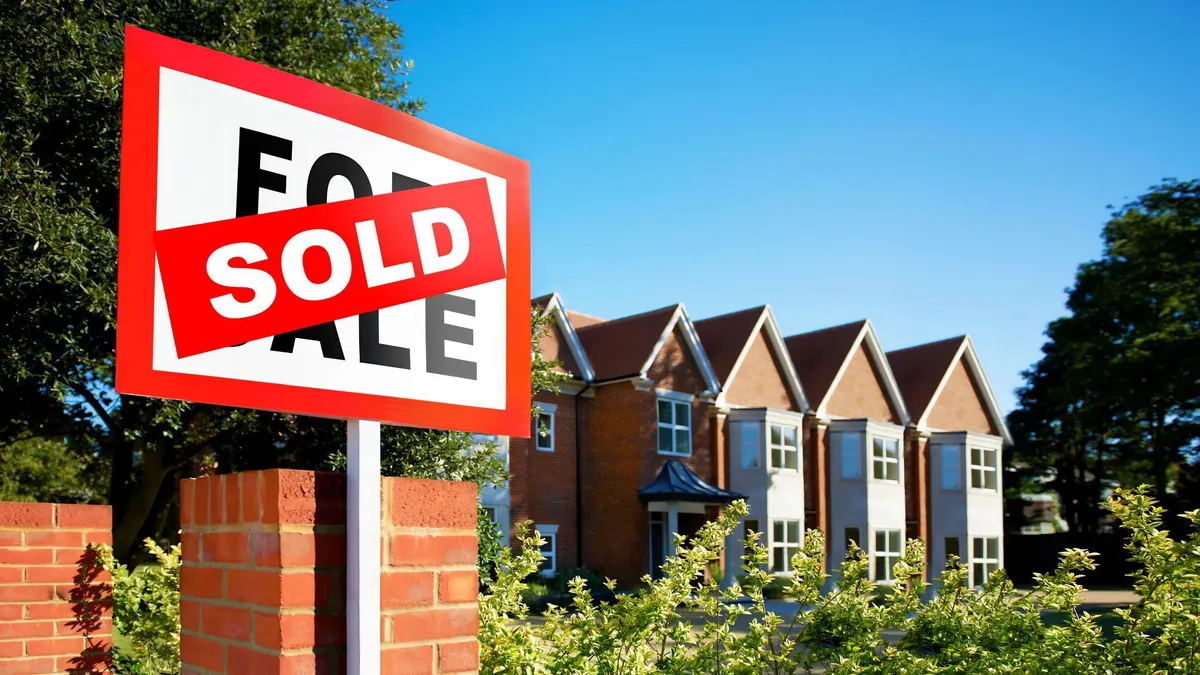
The American dream of homeownership has long been viewed as a straightforward path: save diligently, secure a mortgage, and invest in a starter home that serves as a foothold in the real estate market. However, this narrative is shifting dramatically. With prices for starter homes in many U.S. cities reaching upwards of $400,000 or even $500,000, the dream is becoming increasingly out of reach for many young buyers. In response, a growing number of prospective homeowners are looking beyond U.S. borders for more affordable alternatives. This trend is not without its complexities, but for some, it presents a compelling opportunity to own property and potentially build wealth.
More than ever before, Americans are considering international real estate as a viable option for their first home. Recent reports indicate that younger buyers, particularly those who are remote workers or digital nomads, are finding attractive properties abroad that fit their budgets far better than what they can find domestically. This article will delve into the reasons behind this shift, the countries that are becoming popular for foreign buyers, and the essential factors to consider before making such a significant purchase.

The Allure of Affordable International Properties
The most significant advantage of purchasing property overseas is the price difference. For example, a modest apartment in a major U.S. city may cost around $500,000, whereas a similar-sized property in a smaller town in Italy or Portugal could be available for a fraction of that price. This price disparity can make it financially feasible for buyers to make a substantial down payment or even purchase a property outright in cash. Additionally, lower property taxes and maintenance costs in some countries can lead to further savings.
For many buyers, investing in international real estate not only serves as a stepping stone to homeownership but also adds geographic diversity to their asset portfolio. This diversification can be particularly beneficial in unpredictable economic times, as it spreads risk across different markets and currencies. Moreover, purchasing a home abroad can double as a vacation retreat or rental property, enabling buyers to generate income when they are not using the home themselves.

Rethinking the Concept of 'Starter Home'
The traditional notion of a starter home is evolving. Increasingly, first-time buyers are considering properties located far from their primary residences. For instance, a young professional might rent an apartment in a bustling city like New York while owning a small villa in Portugal, thereby benefiting from affordable ownership without sacrificing their career opportunities. This strategy allows for flexibility in lifestyle choices while also building equity in a property that may appreciate over time.
However, the challenges of maintaining two residences must also be considered. While buyers may save on housing costs abroad, they will still incur expenses related to their domestic rental, including rent, utilities, and maintenance. Understanding the financial implications of owning property abroad while renting domestically is crucial for long-term planning.
Popular Destinations for Foreign Buyers
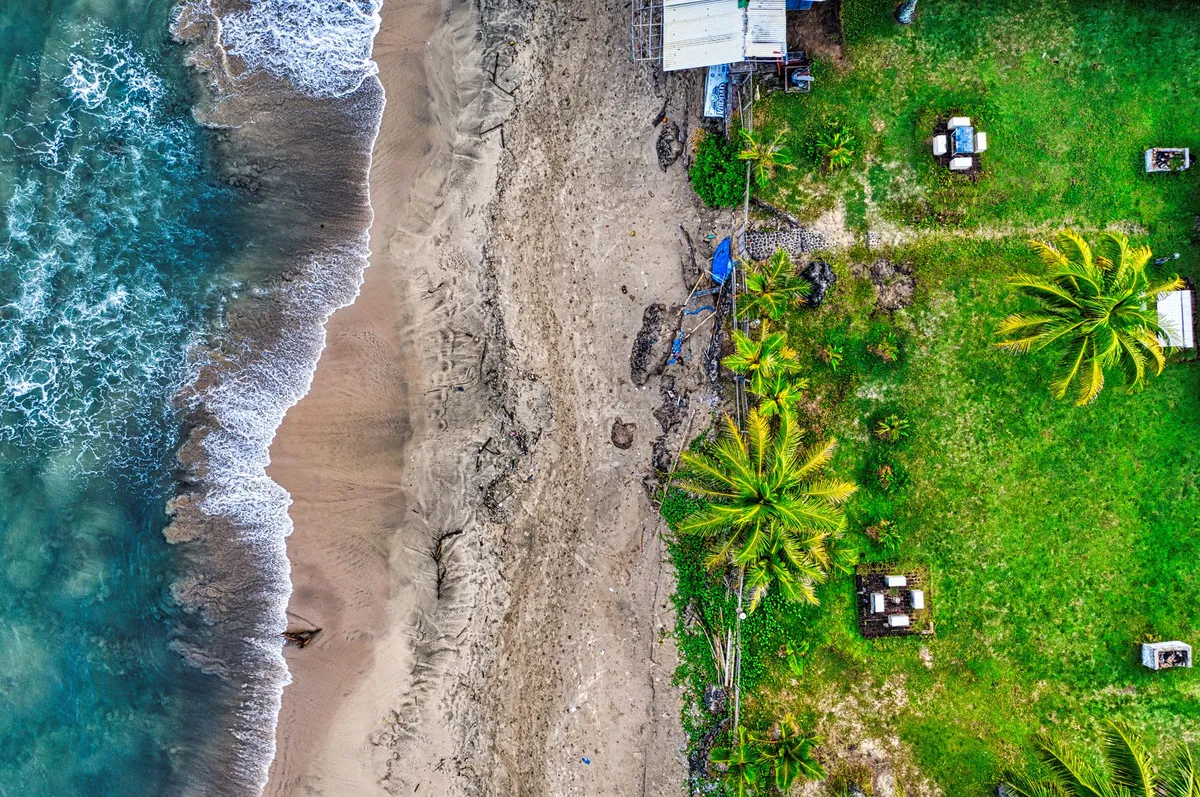
As interest in international real estate grows, several countries have emerged as hotspots for American buyers:
- Italy: Known for its cultural heritage and scenic landscapes, Italy offers affordable properties, especially in smaller towns. For example, a recent buyer acquired a studio apartment in Tropea for just €38,000, later renting it out during the tourist season.
- Portugal: With its favorable climate and vibrant culture, Portugal has attracted many remote workers and retirees. Although prices in popular areas like Lisbon have increased, there are still affordable options available in less touristy regions.
- Mexico: Its proximity to the U.S. makes Mexico a prime choice for Americans. The ease of travel can facilitate regular visits, making it suitable for vacation homes or rental properties.
- Panama: Attracting retirees and investors alike, Panama offers straightforward property ownership rules for foreigners, although some restrictions apply near borders.
Navigating the Complexities of International Real Estate
While the idea of purchasing a home abroad can be enticing, buyers must approach it with a thorough understanding of the many complexities involved:
- Legal and Regulatory Considerations: Different countries have varying laws governing foreign ownership of property. Some may impose restrictions based on the property's location or type, while others may offer more leniency.
- Financing Challenges: Buyers accustomed to low down payments in the U.S. should be prepared for potentially larger down payments or stricter lending criteria abroad. U.S. lenders typically do not finance properties located outside the country.
- Tax Implications: U.S. citizens are generally subject to taxation on worldwide income, including rental income from foreign properties. Consulting a tax professional is advisable to navigate these complexities.
- Currency Risk: Fluctuations in exchange rates can impact the effective cost of ownership. Understanding how currency movements can affect property expenses is crucial for budgeting.
Is Buying Abroad Right for You?
Purchasing property abroad is not a one-size-fits-all solution for everyone priced out of the U.S. housing market. It may be particularly advantageous for:
- Remote workers who can choose their location freely.
- Frequent travelers familiar with specific regions.
- Individuals with a clear vision of their retirement plans, allowing for long-term investment.
However, it is vital for potential buyers to be financially prepared, have sufficient savings for emergencies, and be willing to learn about a different real estate market. Experts recommend that buyers consider renting in the area first to gain familiarity before committing to a purchase. For the right individuals, the traditional definition of a starter home is expanding, opening doors to exciting opportunities in international markets.

Key Takeaways
- As U.S. housing prices rise, many first-time buyers are looking overseas for more affordable options.
- Popular countries for international property investment include Italy, Portugal, Mexico, and Panama.
- Thorough research on legal, financial, and tax implications is essential before purchasing property abroad.
- Consider your long-term goals, such as retirement plans, when evaluating potential overseas properties.
Frequently Asked Questions
What are the main benefits of buying a home abroad?
The primary benefits of purchasing a home abroad include significantly lower property prices compared to many U.S. markets, potential for rental income, and the opportunity to diversify your investment portfolio. Additionally, owning a property in a different country can provide a vacation retreat and a future retirement option, depending on your long-term plans.
What should I know about financing a property overseas?
Financing options for international properties can vary greatly. U.S. lenders typically do not finance properties outside the U.S., meaning buyers may need to secure loans through local banks, which may require larger down payments or impose stricter lending criteria. Cash purchases are often more straightforward, but buyers should ensure they maintain adequate savings for emergencies and other financial goals.
How can taxes impact my investment in foreign real estate?
U.S. citizens are generally required to pay taxes on their worldwide income, including rental income from foreign properties. This means that even if you earn income from a property abroad, it may still be subject to U.S. taxation. Consulting a tax professional familiar with international real estate is important to navigate these complexities and understand your obligations.
Is it advisable to rent before buying a property abroad?
Yes, renting in the area where you are considering purchasing a property is highly recommended. This approach allows you to familiarize yourself with the local market, the lifestyle, and any potential issues that could arise from ownership. Many experts advise taking this step to ensure that you are making an informed decision before committing to a purchase.
Disclaimer: This content is for educational purposes only and should not be considered financial advice.
Comments
Popular in Mortgages
- Essential Guide to Refinancing Your Mortgage Before 2026
- New Housing Law Aims to Boost Affordability: What Buyers and Sellers Should Know
- Why Renting May Be a Smarter Choice Than Buying a Home Near Retirement
- The Mortgage Dilemma: Should You Pay Off Your Home Before Retirement?
- Current Mortgage and Refinance Rates: Insights for Homebuyers