Rising Bond Yields: Impacts on Mortgages and Consumer Borrowing Costs
As bond yields reach new heights, consumers may face rising mortgage rates and borrowing costs. This article explores the implications for homeowners and borrowers amid persistent inflation.
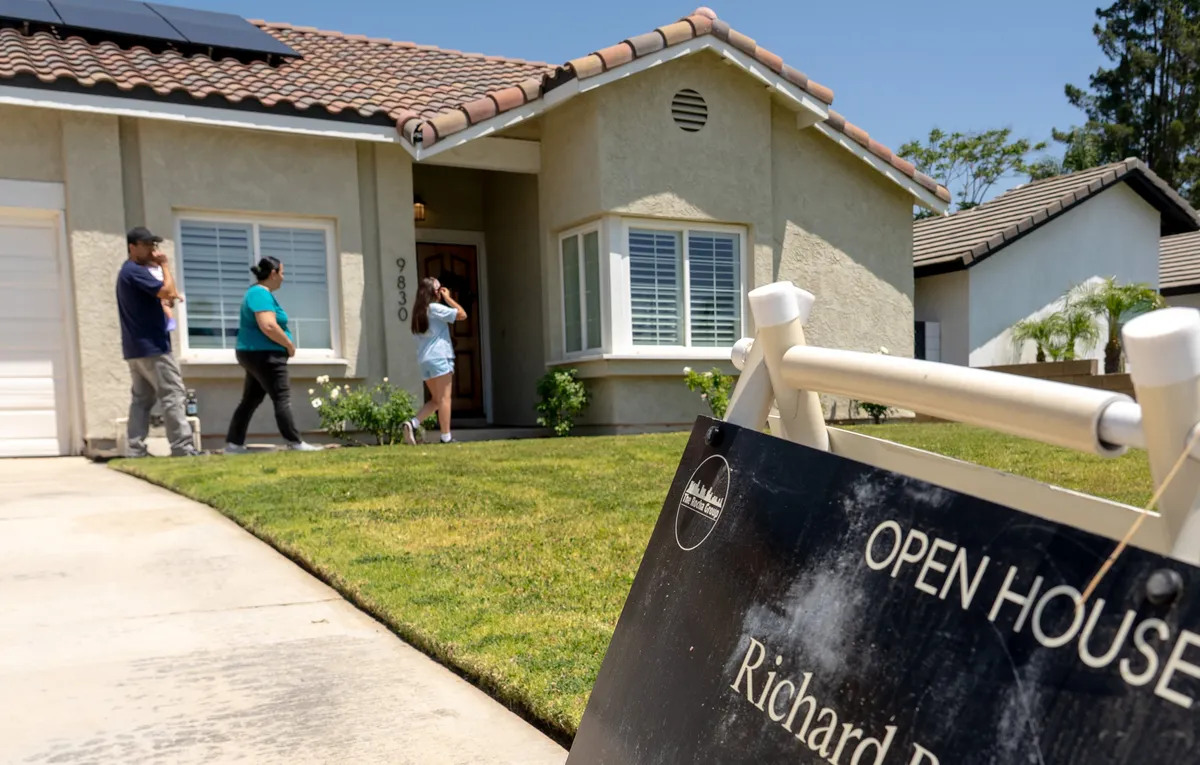
The financial landscape is undergoing significant changes as bond yields climb to unprecedented levels, primarily driven by ongoing inflationary pressures. For consumers, especially those looking to secure a mortgage or any form of long-term borrowing, these shifts signal a looming increase in borrowing costs. With the yield on the U.S. 30-year Treasury bond recently hitting a peak of 5.323%, the highest in nearly two decades, the implications are profound and far-reaching.
This surge in bond yields, particularly on long-term securities, is a reflection of investors' concerns regarding sustained inflation. The 10-year Treasury yield, a critical benchmark for fixed mortgage rates, surpasses 4.7%, marking a stark contrast to the sub-4% rates seen earlier this year. As these rates rise, so too do the costs for mortgages and other consumer loans, posing challenges for a broad swath of American borrowers.
Understanding the Link Between Bond Yields and Mortgage Rates
Bond yields and mortgage rates are intricately linked. When investors demand higher yields as a hedge against inflation, mortgage rates typically follow suit. Lawrence Yun, chief economist for the National Association of Realtors, emphasizes that the current inflation rate, measured at 3.4% in July, significantly exceeds the Federal Reserve's target of 2%. This persistent inflation pressure is likely to keep mortgage rates elevated for the foreseeable future.
The Current Landscape of Mortgage Rates
As of the latest reports, the average rate for a 30-year fixed mortgage has risen to 6.75%, up from 6.69% just days earlier. This upward trajectory is a direct consequence of higher bond yields, which have historically dictated mortgage pricing. With a significant portion of Americans relying on fixed-rate mortgages to finance their homes, this increase is particularly concerning.
- 30-Year Fixed-Rate Mortgage Rate: 6.75%
- 10-Year Treasury Yield: Above 4.7%
- Inflation Rate (July): 3.4%
- Previous Inflation Rate (January): 2.4%
The Broader Impact on Consumer Borrowing
While the implications for mortgage rates are significant, the effects of rising bond yields extend beyond the housing market. Other forms of consumer borrowing, including auto loans, credit cards, and student loans, are also closely tied to bond yields.
Auto Loans and Credit Card Rates
Auto loans are particularly sensitive to fluctuations in Treasury yields. With average new-vehicle annual percentage rates (APRs) hovering around 7% and used vehicle rates at about 10.6%, consumers are already feeling the pinch. If bond yields continue to rise, auto lenders may have no choice but to increase their rates further, exacerbating the financial strain on consumers.
Student Loans and Their Fixed Rates
Federal student loan rates, while fixed for the life of the loan, also reflect changes in bond yields. New borrowers will see higher rates based on recent Treasury auctions. This trend is concerning, as it indicates that the cost of education financing is also on the rise, adding another layer of financial burden for students and graduates.
Strategies for Consumers Amid Rising Rates
Given the challenging economic landscape, consumers may need to adopt strategic approaches to mitigate the impact of rising borrowing costs. Here are some recommendations:
- **Consider Shorter-Term Mortgages:** For those who anticipate moving in the near future, adjustable-rate mortgages (ARMs) that lock in fixed payments for the first several years can provide a more affordable option.
- **Refinance Wisely:** If you currently have a lower interest rate on your mortgage, consider holding onto it rather than refinancing to a higher rate, unless absolutely necessary.
- **Shop Around for Loans:** Different lenders may offer varying rates; it’s wise to compare offers while rates are still climbing.
- **Budget for Increased Costs:** With rising rates affecting all forms of borrowing, it’s essential to reassess your budget and prepare for higher monthly payments across the board.
The Economic Context: Why This Matters
Understanding the current economic climate is vital for consumers. The bond market is not operating in isolation; it's influenced by geopolitical events, federal policy, and overall economic health. For instance, rising energy prices due to conflicts, such as the recent tensions in Iran, contribute significantly to inflation. As experts like Jeff DerGurahian from LoanDepot suggest, the bond market is looking for signs that the post-pandemic inflationary cycle is waning before yields can decrease meaningfully.
Key Takeaways
- Bond yields are at a 19-year high, resulting in increased mortgage rates.
- The average 30-year fixed mortgage rate is currently at 6.75%.
- Higher borrowing costs affect not just mortgages but also auto loans, credit cards, and student loans.
- Consumers should evaluate their borrowing strategies in light of rising rates.
- Inflation remains a critical factor influencing the economic landscape.
Frequently Asked Questions
How do rising bond yields affect my mortgage rate?
Rising bond yields typically lead to higher mortgage rates because lenders use these yields as a benchmark for pricing loans. When investors demand higher returns on bonds due to inflation concerns, mortgage lenders also increase rates to maintain their profit margins. This means that if you’re considering purchasing a home or refinancing an existing mortgage, you may encounter higher rates than in previous years.
What types of loans are affected by increasing bond yields?
Increasing bond yields can affect various types of loans, including mortgages, auto loans, credit cards, and student loans. Mortgage rates are directly tied to Treasury yields, while auto and credit card rates often adjust based on prevailing economic conditions influenced by these yields. For consumer loans with variable rates, such as credit cards, increased bond yields can lead to immediate rate hikes.
What should I do if I need to borrow money now?
If you need to borrow money in the current environment of rising rates, consider options like shorter-term adjustable-rate mortgages, which can offer lower rates for an initial period. Additionally, it’s crucial to shop around to compare rates from different lenders and assess your budget to ensure you can manage higher monthly payments. Planning and strategic borrowing can help mitigate some of the financial impacts of rising interest rates.
Will mortgage rates decline in the future?
While it’s difficult to predict the future of mortgage rates with absolute certainty, current trends suggest that consumers should not expect significant decreases in rates soon. Factors such as persistent inflation and geopolitical tensions are likely to keep rates elevated. Therefore, potential homebuyers and borrowers should prepare for a sustained period of higher borrowing costs.

Comments
Popular in Mortgages
- Current Mortgage and Refinance Rates: Insights for Homebuyers
- Essential Guide to Refinancing Your Mortgage Before 2026
- New Housing Law Aims to Boost Affordability: What Buyers and Sellers Should Know
- Why Renting May Be a Smarter Choice Than Buying a Home Near Retirement
- The Mortgage Dilemma: Should You Pay Off Your Home Before Retirement?