Is Your Home Ready for the Next Power Crisis? A Guide to Solar Solutions
With rising electricity costs and an aging power grid, homeowners are increasingly considering solar energy and battery storage as viable solutions. This article explores the benefits of energy independence, the financial implications, and key considerations for making the switch.
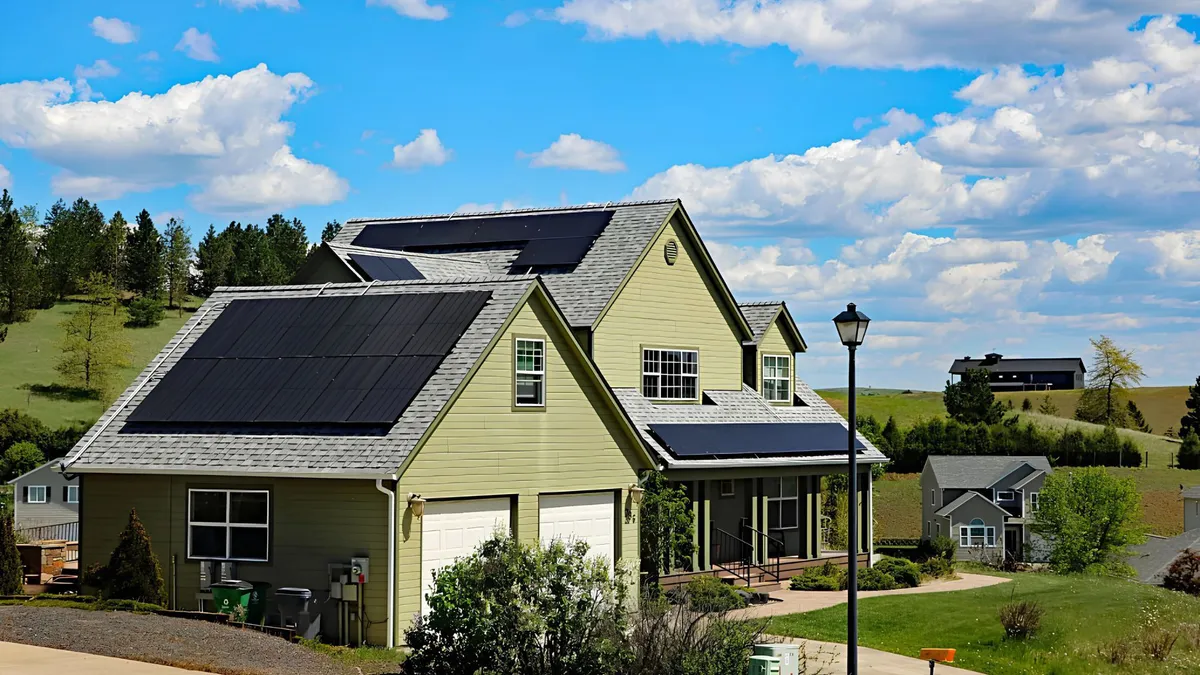
As the nation grapples with an outdated electrical grid and soaring electricity costs, homeowners are facing a pressing question: how prepared is your home for the next power crisis? With the average electricity rate soaring by 116% over the past 25 years—from just 9.1 cents per kWh in 2000 to 19.7 cents in 2026—many are turning their attention to solar energy and battery storage as a solution. Beyond the potential for cost savings, these systems offer a compelling argument for energy independence in an era where reliability is increasingly uncertain.
Power outages pose significant challenges, particularly for those who rely on medical equipment or have essential daily needs. As highlighted in a recent report by the Department of Energy, the frequency of blackouts could increase dramatically by 2030 if the U.S. continues to phase out reliable power sources without adding new capacity. This scenario creates a strong case for investing in solar energy systems, which not only provide a buffer against outages but also foster a more resilient home environment.
The Transition to Energy Independence
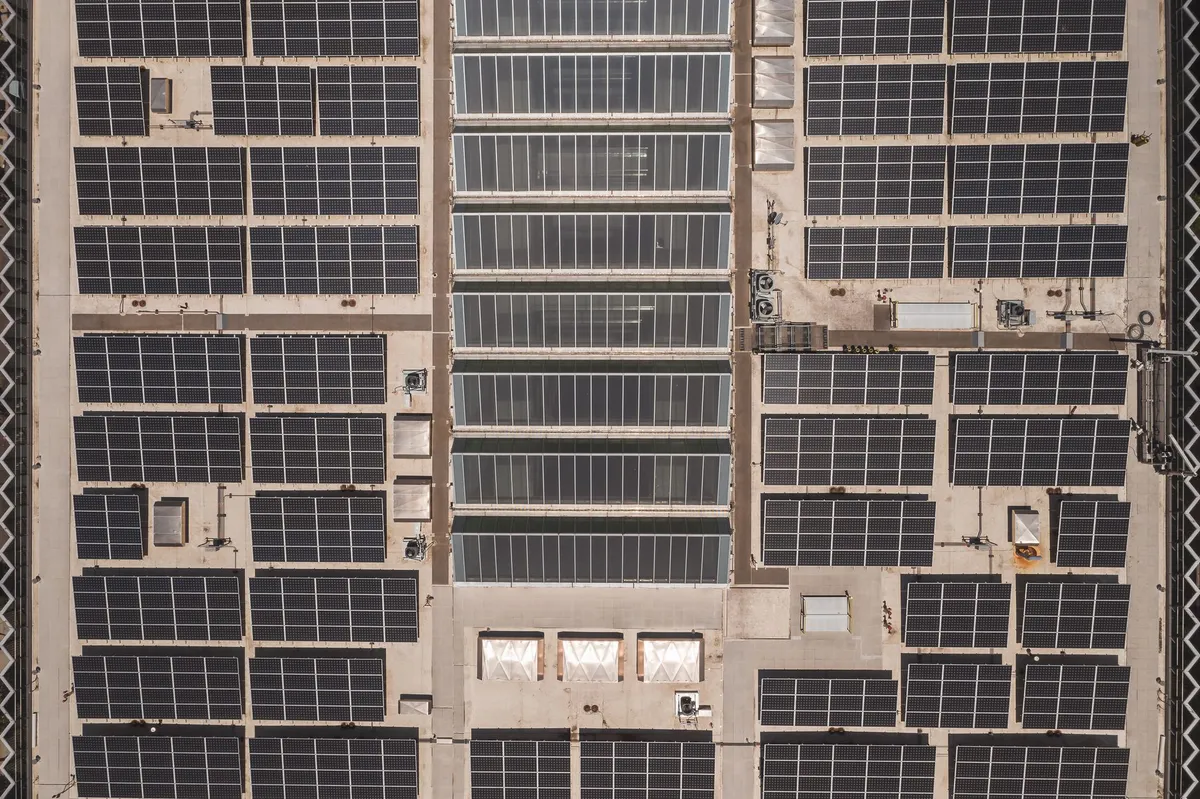
Traditionally, homeowners have been passive consumers of electricity, relying heavily on utility providers for their power needs. However, a significant shift is underway as more individuals seek to become self-sufficient energy producers. By installing photovoltaic (PV) panels and battery storage systems, homeowners can create localized microgrids that generate and store their own electricity, drastically reducing their reliance on the traditional grid.
Benefits of Solar and Battery Systems
- Energy Reliability: In times of crisis, your home can remain powered independently of the grid.
- Financial Incentives: Federal programs, like the Clean Electricity Investment Credit, offer tax credits that can significantly reduce upfront costs.
- Environmental Impact: Solar energy is a clean, renewable resource that reduces your carbon footprint.
- Smart Management: Advanced control systems optimize energy use and allow for the sale of excess power back to the grid.
Understanding the Financial Implications
The initial investment for solar and battery systems typically ranges from $20,000 to $40,000, a substantial amount that can cause hesitation for many homeowners. However, the long-term savings and benefits can outweigh these upfront costs. Homeowners paying electricity rates of 20 cents per kWh or more will find the economics of solar increasingly favorable. In addition to offsetting monthly bills, solar energy can mitigate the often hidden costs associated with electricity delivery, which can comprise nearly half of a typical utility bill.
Calculating Your Return on Investment
When considering solar, it’s essential to evaluate not only the price of energy but also the various fees associated with your utility service. Factors such as transmission and delivery costs play a significant role in your overall energy expenditure. Homeowners should also consider the lifespan of solar panels, which generally last between 25 to 35 years, and the potential for selling excess energy to utility companies during peak demand times, maximizing financial returns.
Preparing Your Home for a Solar Transition
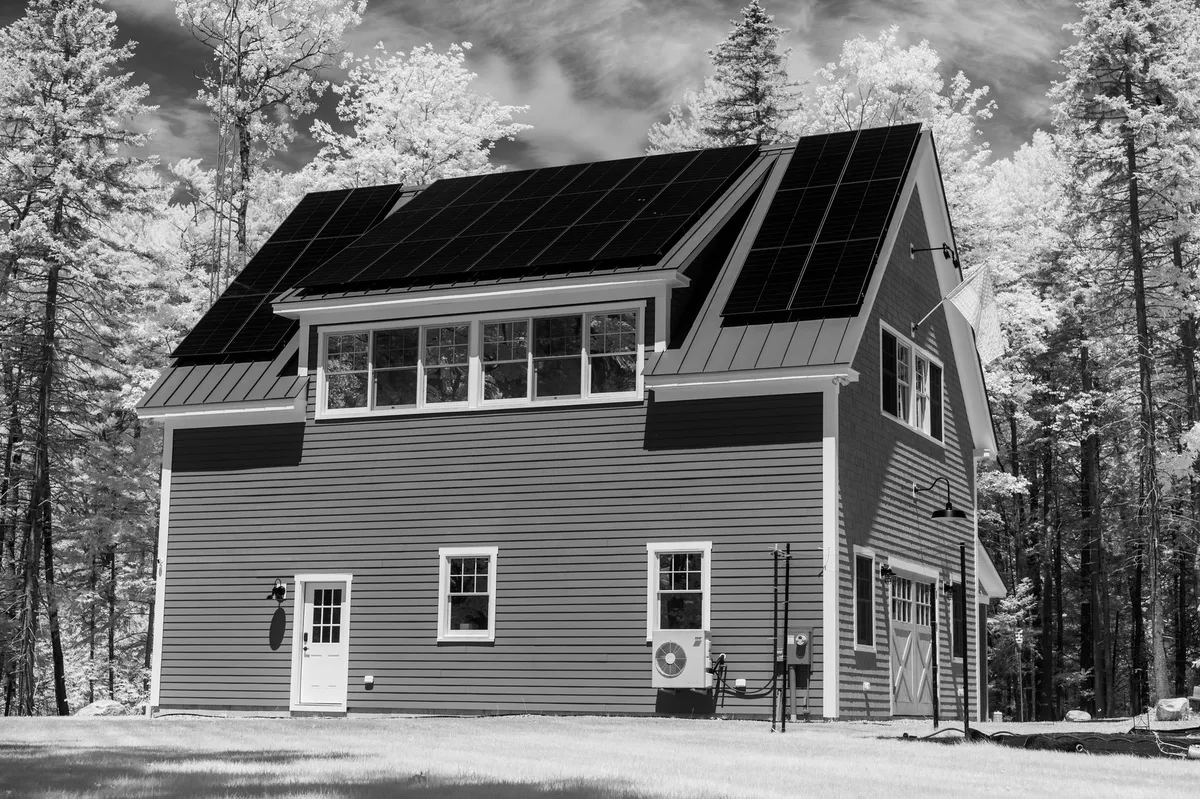
Before diving into solar energy, it’s crucial to assess whether your home is suited for a microgrid setup. Here are key factors to consider:
- Roof Condition: Ensure your roof is in good shape, as solar panels require a sturdy base and can last for decades.
- Sun Exposure: Evaluate potential shade from trees or neighboring buildings that could hinder solar panel efficiency.
- Energy Consumption: Review your utility bills to understand your monthly energy usage, which will help in sizing your solar system appropriately.
- Regulatory Environment: Familiarize yourself with local regulations and net metering policies, which can vary significantly by state.
- Critical Load Assessment: Determine which appliances must remain powered during an outage to size your battery storage effectively.
Financing Your Solar Investment
For many, the question of financing can be a barrier to adopting solar technology. Home equity loans and other financing options can help alleviate upfront costs, but it's important to understand the associated risks. Homeowners should weigh the benefits of different financing pathways, such as home equity lines of credit (HELOCs), against their financial situation and long-term goals. Consulting with a financial professional can provide clarity on how to integrate solar investments with your overall financial planning.

Key Takeaways
- Rising electricity costs and an aging power grid make solar energy more appealing.
- Investing in solar and battery systems can enhance energy independence and reliability.
- Consider your home’s suitability for solar installation, including roof condition and energy needs.
- Evaluate financing options carefully to balance upfront costs with long-term savings.
- Consult with a financial professional to create a comprehensive plan for adopting solar energy.
Frequently Asked Questions
What are the main benefits of switching to solar energy?
Switching to solar energy offers numerous benefits, including reduced electricity bills, energy independence, and a positive environmental impact. By generating your own power, you can shield your household from fluctuating energy prices and potential blackouts. Additionally, many states provide incentives that can ease the financial burden of installation.
How do I determine if my home is suitable for solar panels?
To determine if your home is suitable for solar panels, assess factors such as roof condition, sun exposure, and your typical energy consumption. A roof in good condition with ample sun exposure will maximize the efficiency of solar panels. Moreover, reviewing your energy bills will help you decide the appropriate system size to meet your needs.
What financing options are available for solar energy systems?
Homeowners have several financing options when it comes to solar energy systems, including cash purchases, home equity loans, and solar loans. Some lenders also offer specific solar financing products with lower interest rates. Exploring these options and understanding their terms is crucial for making an informed financial decision.
Are there any downsides to installing solar panels?
While solar panels can provide substantial long-term benefits, there are some potential downsides to consider. These may include high initial installation costs, ongoing maintenance, and potential limitations based on local regulations. Additionally, solar panels may not perform optimally if your home is heavily shaded or your roof is in disrepair, which could necessitate further investments.
This content is educational and not financial advice.
Comments
Popular in Mortgages
- Current Mortgage and Refinance Rates: Insights for Homebuyers
- Essential Guide to Refinancing Your Mortgage Before 2026
- New Housing Law Aims to Boost Affordability: What Buyers and Sellers Should Know
- Why Renting May Be a Smarter Choice Than Buying a Home Near Retirement
- The Mortgage Dilemma: Should You Pay Off Your Home Before Retirement?