Gas Prices Surge to Record Highs Ahead of Labor Day Travel
With gasoline prices surpassing $4 per gallon for the first time in history on Labor Day, travelers are feeling the pinch. This piece explores the factors driving these prices and what consumers can expect moving forward.
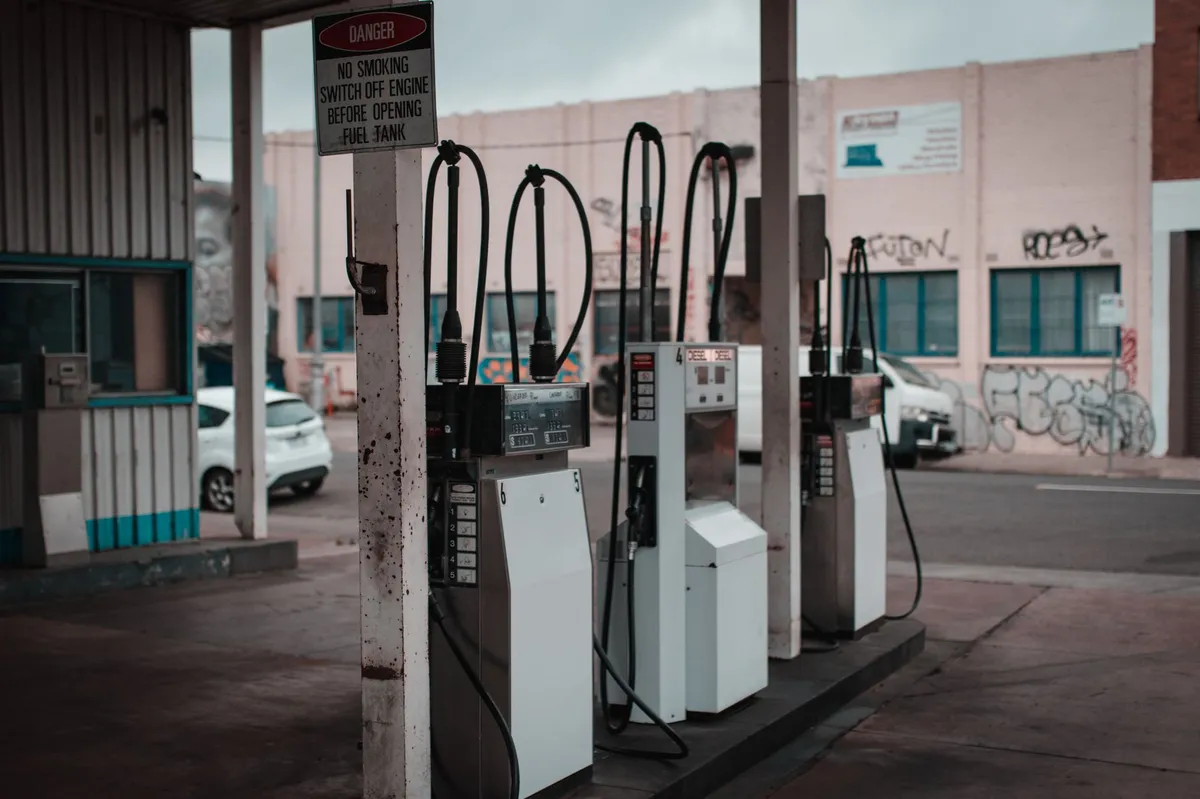
As Americans hit the road for the Labor Day weekend, many are finding themselves confronted by an unwelcome surprise at the pump: gasoline prices have soared to record highs, with the national average hitting an unprecedented $4.15 per gallon. This marks the first time that prices have ever exceeded $4 on Labor Day, a time typically known for heavy travel. With rental car companies like Hertz anticipating one of the busiest travel weekends of the year, the implications of these soaring prices could make road trips significantly more expensive for many families.
In this article, we delve into the reasons behind the spike in gasoline prices, the broader economic implications, and what consumers can do to navigate this challenging landscape.
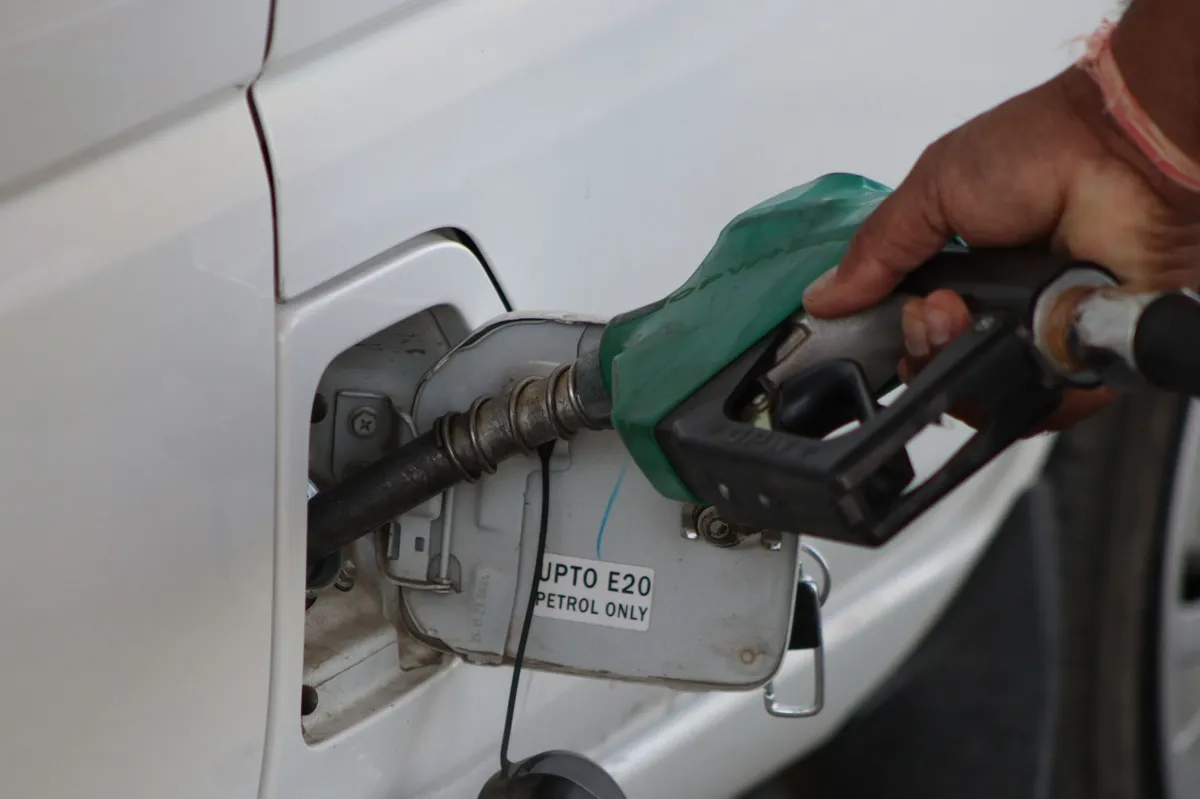
Understanding the Price Surge: Key Factors at Play
The surge in gasoline prices can be attributed to a combination of global conflicts, seasonal trends, and market dynamics. According to AAA, the previous record for Labor Day gasoline prices was $3.82 per gallon, set in September 2012. Comparatively, the current prices represent a staggering increase of approximately 30% from last year, when drivers were paying an average of $3.20 per gallon.
Impact of Global Events
One of the major catalysts for rising fuel prices has been the ongoing conflict in Iran. The war has not only disrupted oil supplies but has also led to increased speculation and volatility in oil markets. As of now, West Texas Intermediate crude oil futures were trading at about $92 per barrel, up from approximately $67 prior to the onset of the war on February 28. Similarly, Brent crude oil futures, the global benchmark, have increased from roughly $72 to around $97 per barrel.
Refinery Challenges and Supply Chain Disruptions
Refinery operations have also been severely impacted due to these conflicts, leading to a decline in gasoline production. Andy Lipow, president of Lipow Oil Associates, highlights that both Middle Eastern and Russian refineries have faced significant disruptions due to ongoing wars, limiting the amount of gasoline that reaches the U.S. market. As a result, U.S. gasoline inventories are currently 6% below the average for this time of year, exacerbating the situation.
Seasonal Trends and Their Impact
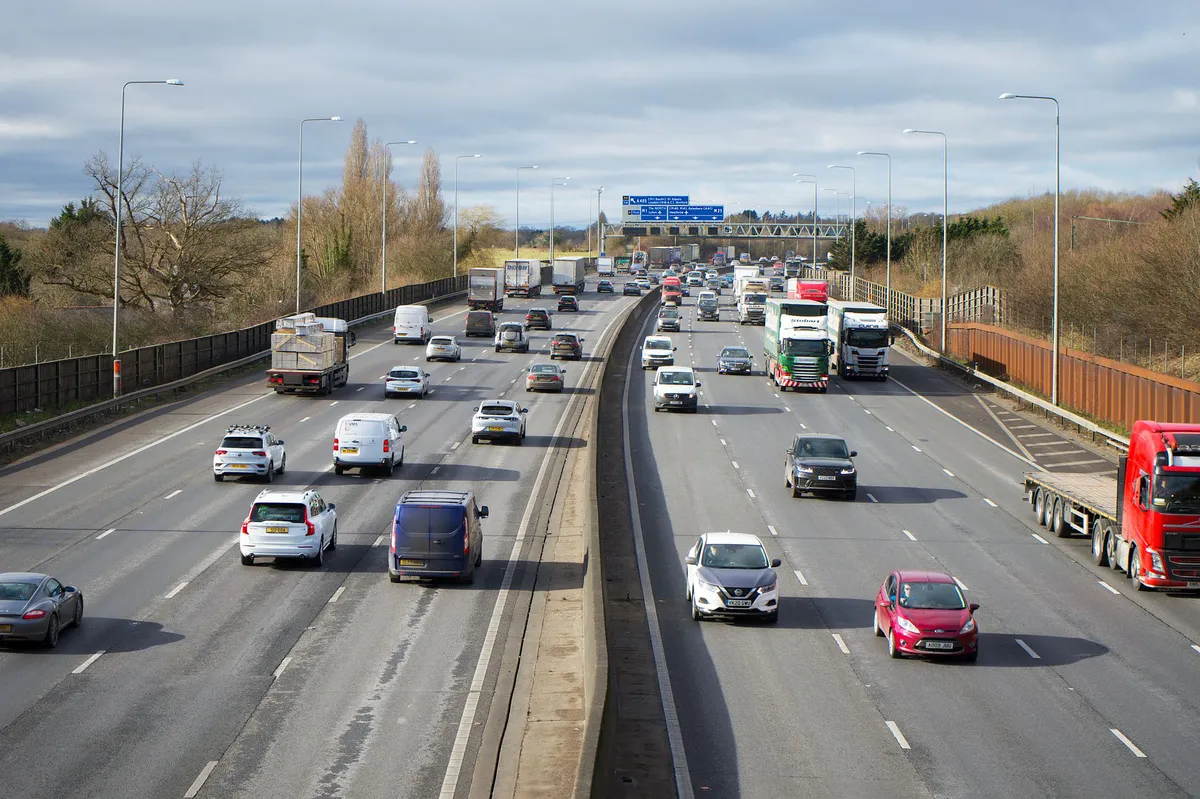
Typically, gasoline prices tend to decrease following the summer driving season as demand wanes. However, this year has defied those trends due to elevated crude oil costs. Brittany Moye, a spokesperson for AAA, explains that these high crude oil prices have offset the typical seasonal decline in demand. As a result, consumers are facing higher prices at the pump despite a decrease in consumption.
Diesel Prices on the Rise
Diesel prices have also reached record highs, with the cost hitting $5.90 per gallon compared to just $3.71 a year ago. This increase not only affects everyday consumers but also has broader implications for businesses reliant on diesel for shipping and logistics.

What Lies Ahead: Possible Relief for Consumers
While current prices are alarming, there may be a silver lining for consumers in the weeks ahead. The transition to winter-grade gasoline typically brings lower production costs, which could translate into decreased prices at the pump. The Environmental Protection Agency (EPA) has even allowed winter-blend gasoline to be sold starting on September 1, effectively circumventing the usual summer-blend requirements that are more expensive to produce.
What to Expect Moving Forward
Despite the potential for lower prices, experts caution that the global oil supply will continue to play a crucial role in determining future gasoline costs. Lipow notes that market participants are closely watching developments between the U.S. and Iran, particularly regarding the Strait of Hormuz, a vital shipping lane for global oil. Until a resolution is reached, fluctuations in oil prices are likely to remain a significant factor for American consumers.
Strategies for Consumers: Navigating High Gas Prices
In light of these rising costs, consumers can take proactive steps to mitigate the impact on their wallets:
- Plan Trips Wisely: Consider combining errands or using public transportation when possible to reduce fuel consumption.
- Use Fuel Rewards Programs: Many grocery stores and credit cards offer fuel rewards that can help reduce the cost per gallon.
- Monitor Prices: Utilize apps and websites to track local gas prices and find the best deals.
- Maintain Your Vehicle: Ensure your car is well-maintained to improve fuel efficiency, which can help you save money over time.

Key Takeaways
- Gasoline prices have reached record highs, averaging $4.15 per gallon this Labor Day.
- Global conflicts, particularly the war in Iran, are a significant driver of rising oil prices.
- Diesel prices have also surged, impacting both consumers and businesses.
- The transition to winter-grade gasoline may offer some relief in the coming weeks.
- Consumers can take practical steps to manage fuel costs effectively.
Frequently Asked Questions
Why are gas prices higher this year compared to last year?
Gas prices this year are approximately 30% higher than last year due to a combination of elevated crude oil costs, supply chain disruptions caused by global conflicts, and lower gasoline inventories in the U.S. The ongoing war in Iran has particularly impacted oil supply routes, leading to increased prices at the pump.
How do seasonal changes affect gasoline prices?
Typically, gasoline prices decrease after the summer driving season as demand wanes. However, this year has seen persistent high prices due to elevated crude oil costs that have countered the usual seasonal decline. The upcoming switch to winter-grade gasoline is expected to lower production costs and may provide relief to consumers.
What actions can consumers take to save on gas?
Consumers can save on gas by planning trips more effectively, utilizing fuel rewards programs, monitoring local prices, and maintaining their vehicles for better fuel efficiency. These strategies can help mitigate the impact of higher gas prices on household budgets.
Will gas prices continue to rise or fall in the coming months?
While the transition to winter-grade gasoline may provide some relief, the future trajectory of gas prices will largely depend on global oil supply dynamics and geopolitical factors. If tensions in the Middle East continue or worsen, gas prices may remain volatile.
Comments
Popular in Personal Loans
- Hardee's Franchisee Files for Chapter 11 Amid Financial Turmoil
- The Hidden Costs of SUVs: Understanding the 'SUV Tax' and Its Impact on Your Wealth
- Spectrum's Workforce Changes Amid Customer Losses: What It Means for You
- How Immigration Policy Changes are Impacting Care Worker Shortages and Family Costs
- Unlocking Wealth: The Potential of Trump Accounts for American Families