The Alarming Impact of Lawyer Call Neglect on Clients and Careers
Ignoring client calls is the leading cause of complaints against lawyers, reflecting a serious breach of professional responsibility. This article explores its implications for attorneys and clients alike and offers solutions to improve communication.
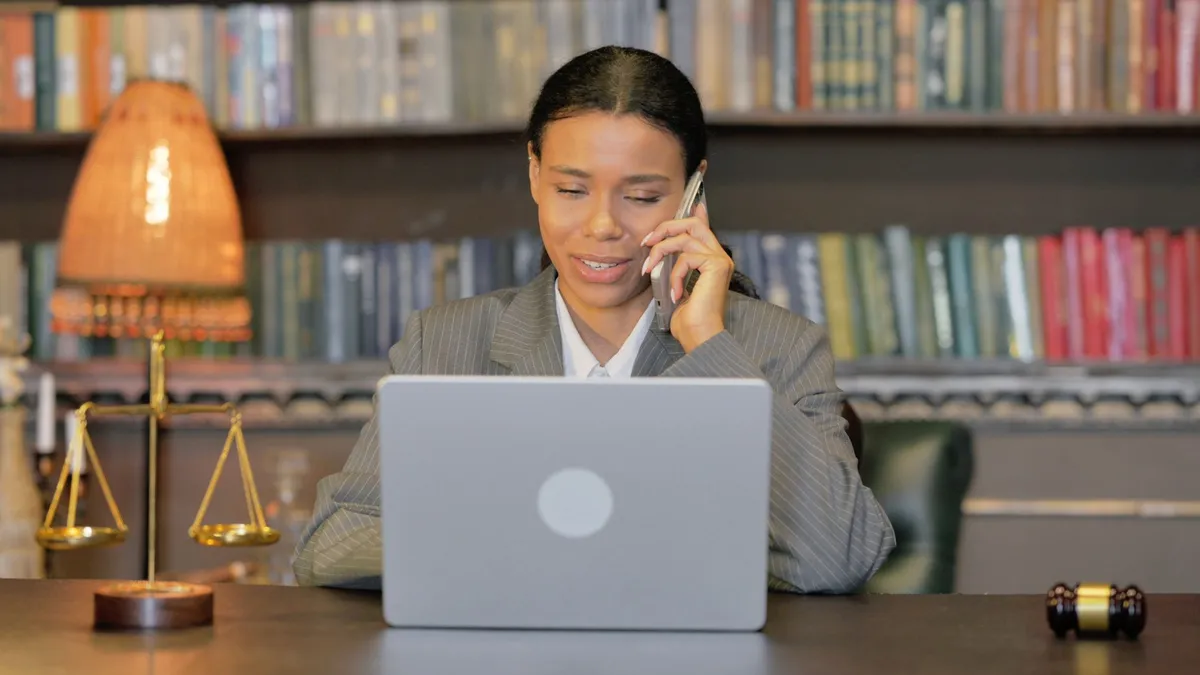
In the world of law, where nuanced understanding and strategic thinking are essential, one simple yet profound action can lead to significant repercussions: failing to return client phone calls. According to the American Bar Association (ABA), this negligence is not only the most common complaint against attorneys but also a troubling manifestation of a deeper issue—an alarming lack of professional responsibility and empathy. In an age where communication is more accessible than ever, the consequences of ignoring client calls and messages extend far beyond a missed opportunity; they risk the very foundation of the attorney-client relationship.
For clients, the ramifications of their attorney's negligence can be devastating. Many clients reach out during some of the most challenging times in their lives, often feeling vulnerable and seeking guidance. Thus, the attorney's role transcends mere legal representation; it encompasses a duty of care that includes timely communication. Unfortunately, many lawyers overlook this fundamental aspect of their profession, leading to an alarming trend that may not only jeopardize their careers but also the well-being of their clients.

The Statistics Behind Client Complaints
Data from state bar associations across the country reveal that complaints about a lack of communication consistently rank at the top of grievances filed against lawyers. A staggering number of these complaints stem from clients feeling neglected, often citing that their attorneys failed to return phone calls or respond to emails in a timely manner.
This pattern is not just anecdotal; a strong correlation exists between attorneys who neglect communications and those who face disciplinary actions. In many cases, a failure to return a call has escalated into more severe violations, including legal malpractice. As one bar investigator pointed out, lawyers who are passive-aggressive with clients send a clear message: "I’ll get back to you when and if I want to." This attitude not only damages the attorney-client relationship but can also lead to missed deadlines, such as the statute of limitations for filing lawsuits, ultimately harming clients’ legal standing.
The Ripple Effect of Poor Communication
The repercussions of failing to communicate effectively are far-reaching. Not only can it lead to disciplinary actions against lawyers, but it can also contribute to a larger culture of mistrust between clients and legal professionals. The following points illustrate the ripple effect:
- Client Discontent: Clients who feel ignored are likely to seek legal representation elsewhere, which can damage an attorney's reputation.
- Increased Complaints: As communication falters, the likelihood of complaints to state bar associations increases, resulting in disciplinary measures.
- Legal Malpractice Risks: Failure to communicate effectively can result in missed deadlines and legal malpractice claims, which can lead to lawsuits against the attorney.

The Case of Diane: A Cautionary Tale
To illustrate the repercussions of neglecting client communications, consider the case of Diane, a newly admitted attorney who struggled with timely communication even before entering the legal profession. Despite being helped to pass the California Bar Exam after multiple attempts, she exhibited a troubling pattern: failing to confirm appointments, neglecting to respond to messages, and ultimately ignoring inquiries from those who once supported her.
After Diane was sworn in and began practicing law, her inability to prioritize communication became a significant concern. When approached for insights regarding an article, she failed to respond, demonstrating a disregard for professional courtesy. As her former tutor reflected, this behavior raises essential questions about her future as an attorney. If she cannot manage simple communications now, how will she handle the pressing concerns of clients who depend on her? Ignoring clients could lead to serious implications, including disciplinary action against her bar license.
The Ethical Obligation of Communication
While there are no explicit rules in professional responsibility and legal ethics mandating attorneys to provide a fraction of their time to clients reaching out at vulnerable moments, it is a moral imperative that should be recognized by all legal professionals. An attorney's duty extends beyond offering legal advice; it includes listening to clients and providing timely feedback, especially during critical junctures in their cases.
For instance, when a grieving widow reached out to various law firms regarding potential medical malpractice claims surrounding her late husband's treatment, her calls went unanswered. After weeks of silence, she finally connected with an attorney who took the time to listen. Within a mere five minutes, this lawyer was able to provide clarity and compassion, illustrating how a simple act of communication can profoundly impact a client’s experience. In this scenario, the attorney's responsiveness not only demonstrated professional integrity but also built trust with the client, a vital element in any successful attorney-client relationship.

Strategies for Improved Communication in Legal Practice
To combat the ongoing issue of poor communication in the legal field, attorneys must adopt proactive strategies to ensure that they are meeting their clients' needs effectively. Here are several actionable steps that can help improve communication:
- Establish Clear Communication Protocols: Set expectations for response times and ensure that clients understand when they can expect to hear back.
- Utilize Technology: Implement scheduling and reminder tools to help manage appointments and follow-up communications effectively.
- Encourage Open Dialogue: Foster an environment where clients feel comfortable voicing their concerns without fear of judgment.
- Regular Check-Ins: Schedule routine updates with clients to keep them informed about their case status and address any questions they might have.
- Train Staff Effectively: Ensure that all team members understand the importance of communication and know how to handle client inquiries promptly.
Key Takeaways
- The leading cause of client complaints against lawyers is a failure to return calls and communicate effectively.
- Neglecting communication can lead to serious ethical violations and legal malpractice claims.
- Attorneys have a moral obligation to prioritize timely communication with clients, especially during vulnerable moments.
- Implementing clear protocols and utilizing technology can enhance communication practices in legal settings.
- A proactive approach to client communication fosters trust and strengthens the attorney-client relationship.
Frequently Asked Questions
Why is returning client calls so important for lawyers?
Returning client calls is crucial because it demonstrates respect and professionalism. Clients often reach out during difficult times, and timely responses can alleviate their anxieties. Moreover, neglecting communication can lead to misunderstandings, missed deadlines, and potential malpractice claims, which can damage a lawyer's reputation and practice.
What are the consequences of failing to communicate with clients?
Failure to communicate effectively can result in numerous consequences for lawyers, including disciplinary actions from state bar associations, damaged client relationships, and increased risks of malpractice claims. When clients feel ignored, they are more likely to file complaints or seek representation elsewhere, ultimately harming a lawyer's professional standing.
How can lawyers improve their communication with clients?
Lawyers can enhance their communication by establishing clear protocols for response times, utilizing technology to manage appointments and reminders, and scheduling regular check-ins with clients. Training staff to handle inquiries promptly and fostering an open dialogue with clients can also create a more responsive and client-centered practice.
What should clients do if their lawyer is not communicating?
If clients find that their lawyer is not communicating effectively, they should first attempt to reach out via multiple channels—such as phone, email, or in-person visits. If communication issues persist, clients may consider filing a complaint with the state bar association or seeking alternative legal representation to ensure their needs are met.
This article is for educational purposes only and should not be considered financial advice.
Comments
Popular in Personal Loans
- Hardee's Franchisee Files for Chapter 11 Amid Financial Turmoil
- The Hidden Costs of SUVs: Understanding the 'SUV Tax' and Its Impact on Your Wealth
- Spectrum's Workforce Changes Amid Customer Losses: What It Means for You
- How Immigration Policy Changes are Impacting Care Worker Shortages and Family Costs
- Unlocking Wealth: The Potential of Trump Accounts for American Families