Trump's $5,000 Election Dividend Proposal: Economic Risks and Implications
As President Trump proposes $5,000 checks for every adult, economists warn this could exacerbate inflation and economic instability. Discover the implications and underlying issues of such a plan.
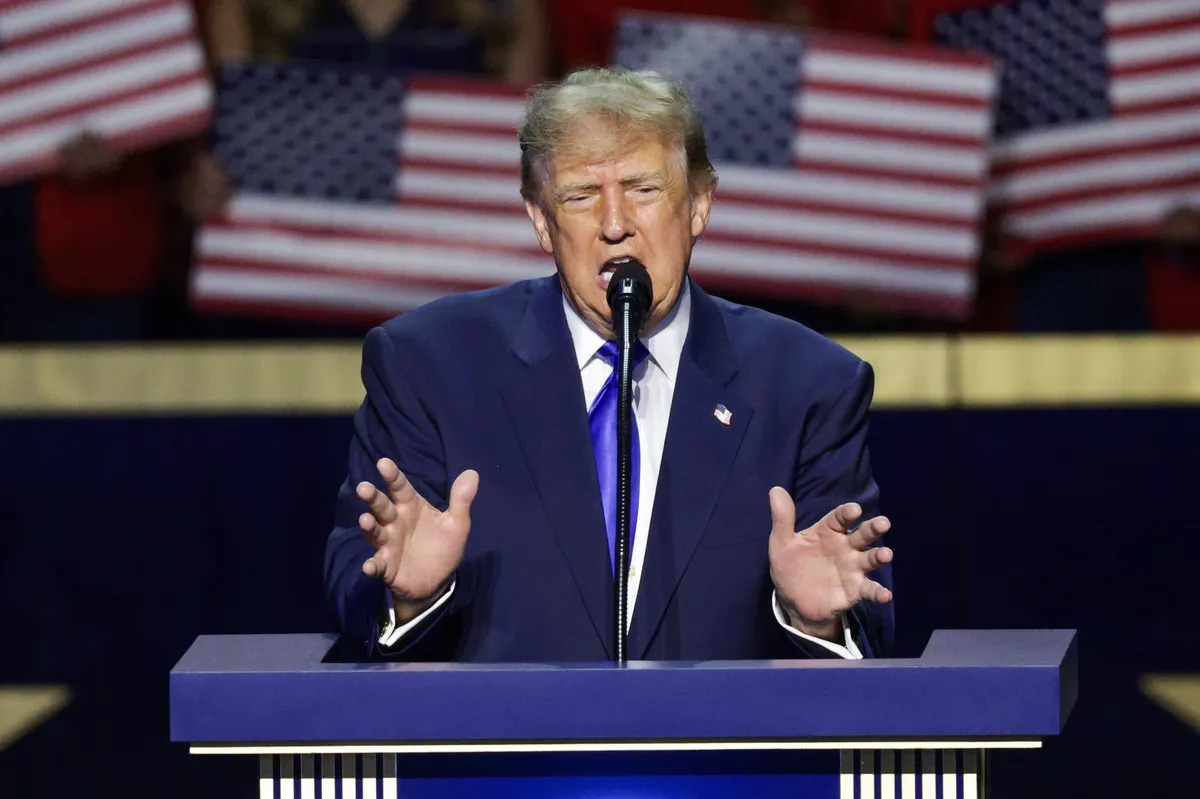
In a bold move just weeks before the November midterm elections, former President Donald Trump has announced a proposal to distribute $5,000 checks to every adult American as a form of election dividend. This proposal comes at a time of heightened economic strain for many households, grappling with the effects of inflation and rising costs of living. While the announcement has sparked excitement among some voters, economists are raising serious concerns about the feasibility of such payments and their potential to exacerbate inflationary pressures already affecting the U.S. economy.
As Americans look for relief from soaring prices on necessities like groceries, gas, and housing, the idea of receiving a substantial check may seem appealing. However, experts caution that implementing a large-scale direct payment program could lead to unintended economic consequences that might outweigh its benefits. With consumer sentiment already declining, the implications of this proposal merit a closer examination.
The Current Economic Landscape
To understand the potential impact of Trump's proposed election dividend checks, it's essential to consider the current economic climate. Inflation in the U.S. has been a significant concern, with the consumer price index peaking at 9.1% in June 2022, the highest level seen since 1981. Although inflation has since moderated to about 3.4% as of recent reports, many Americans remain skeptical about the stability of their financial futures.
Consumer Sentiment and Economic Pressures
According to data from PNC Financial Services, consumer sentiment has been negatively affected by rising prices and the overall economic outlook. Surveys conducted by the University of Michigan and the Conference Board indicate that many consumers are worried about the persistence of inflation, which has led to a decreased outlook on their financial well-being. A significant portion of the population is feeling the pinch as necessities become more expensive, which raises the question of whether a one-time payment could offer substantial relief.

The Inflationary Risks of Direct Payments
Economists warn that while direct payments such as those proposed by Trump may provide short-term relief, they could also have inflationary consequences. Brian Bethune, an economics professor at Boston College, argues that injecting more money into an economy already experiencing supply-side issues—such as rising oil prices and trade tensions—could worsen inflation rather than alleviate it. He likens the proposal to "bailing the water out of the boat while drilling a hole in the bottom."
This sentiment is echoed by Heather Long, chief economist at Navy Federal Credit Union, who notes that while Americans appreciated stimulus checks during the COVID-19 pandemic, such measures ultimately contributed to rising inflation. Research from the Federal Reserve Bank of St. Louis indicates that pandemic-era fiscal stimulus contributed to an increase in inflation by approximately 2.6 percentage points.
Historical Context: Lessons from the Pandemic
The economic response to the COVID-19 pandemic serves as a cautionary tale for the potential consequences of large-scale direct payments. During that period, the government disbursed various stimulus checks, which were initially welcomed by consumers. However, as the economy opened, the influx of cash led to increased demand that outstripped supply, resulting in inflationary pressures that have persisted long after the stimulus payments ended.
- Direct payments during the pandemic contributed to a 2.6% rise in inflation.
- The consumer price index reached a peak of 9.1% in June 2022.
- Current inflation rates are about 3.4%, still above the Federal Reserve's target.
- High consumer sentiment is correlated with rising costs of essentials.
Impact on Borrowing Costs and Federal Deficit
Another critical aspect of the proposed dividend checks is the potential impact on borrowing costs and the federal deficit. With the national deficit nearing $1.8 trillion, economists warn that adding a $1 trillion spending initiative could exacerbate the situation. Brett House, an economics professor at Columbia Business School, cautions that increasing government spending in this manner could push up inflation rates, leading to higher interest rates on loans, mortgages, and credit cards.
This means that while consumers might initially benefit from a one-time check, they could face higher borrowing costs in the long run, offsetting any immediate financial relief. As the Federal Reserve continues to monitor inflation, the likelihood of interest rate hikes increases, further impacting consumers' ability to borrow affordably.
Political Feasibility and Legislative Challenges
While Trump's proposal has garnered attention, the political feasibility of such a measure remains uncertain. Implementing a nationwide direct payment program would require legislative approval from Congress, a significant hurdle given the current partisan landscape. Historically, Trump has floated similar ideas, such as the $5,000 "DOGE dividend" and a $2,000 "tariff rebate," neither of which came to fruition.
Experts suggest that even if such a politically motivated initiative makes it through Congress, it could face legal challenges or be reversed through future tax measures. This uncertainty raises questions about the reliability of any financial relief promised to voters in the lead-up to the elections.
Key Takeaways
- The proposed $5,000 election dividend checks could worsen inflationary pressures already affecting the economy.
- Direct payments may provide short-term relief but could lead to long-term economic challenges.
- The political feasibility of such a proposal is questionable, requiring Congressional approval.
- Higher borrowing costs may offset any benefits from stimulus checks, impacting consumer financial health.
- Historical precedents from the pandemic highlight the risks associated with large-scale fiscal stimulus.

Frequently Asked Questions
Could the $5,000 checks actually happen?
While the proposal has generated interest among voters, the likelihood of the $5,000 checks being implemented is low. Such direct payments would require approval from Congress, which is often subject to political negotiations and partisanship. Additionally, past proposals from Trump have not materialized, suggesting that this current initiative may face similar obstacles.
What are the inflationary risks associated with direct payments?
Economists warn that direct payments can lead to increased consumer spending without a corresponding increase in supply, which can drive prices higher. This was evident during the pandemic when stimulus checks contributed to an inflation surge. If consumers have more disposable income, but supply chain issues remain, it could exacerbate existing inflationary trends.
How would this affect borrowing costs?
Increased government spending, particularly in the form of stimulus checks, can lead to higher inflation, prompting the Federal Reserve to raise interest rates. Higher interest rates mean that borrowing costs for mortgages, car loans, and credit cards would increase, potentially making it more difficult for consumers to manage debt in the long term.
What lessons can be learned from past stimulus efforts?
The economic response to the COVID-19 pandemic demonstrates that while direct payments can provide immediate relief, they can also contribute to longer-term inflationary pressures. Policymakers must weigh the short-term benefits against the potential for heightened economic instability when considering similar measures in the future.
Disclaimer: The content is educational, not financial advice.
Comments
How Employers Are Helping Employees Achieve Homeownership Dreams
As housing costs rise, employers are stepping in to assist employees with homeownership through innovative benefits. This article explores the emerging trend of employer-sponsored homeownership support, detailing how it can transform financial wellness in the workplace.

Related articles


Popular in Personal Loans
- Hardee's Franchisee Files for Chapter 11 Amid Financial Turmoil
- The Hidden Costs of SUVs: Understanding the 'SUV Tax' and Its Impact on Your Wealth
- Spectrum's Workforce Changes Amid Customer Losses: What It Means for You
- How Immigration Policy Changes are Impacting Care Worker Shortages and Family Costs
- Unlocking Wealth: The Potential of Trump Accounts for American Families