Why Every Married Woman Should Know Her Financial Landscape
Many married women unknowingly disconnect from their finances, leaving them vulnerable. Learn why being financially engaged is crucial, especially in changing life circumstances.

In many marriages, financial responsibilities often fall to one partner, creating a dynamic where one spouse, frequently the husband, becomes the primary decision-maker. While this arrangement may seem efficient initially, it can lead to significant challenges, especially for women who may find themselves disconnected from their financial lives. The phrase "He handles it" may sound innocuous, but it can mask a troubling reality: many women are not fully aware of their financial situations, leaving them vulnerable during life’s unpredictable turns, such as divorce or sudden loss of a partner.
Understanding personal finances is not merely a matter of knowing numbers; it’s about empowerment. Women, regardless of their professional success, often find themselves sidelined in financial matters. This article delves into the critical reasons why every married woman should take ownership of her financial knowledge, the potential pitfalls of financial disengagement, and actionable steps to reclaim control.
The Financial Disconnect: A Common Narrative
For many couples, life gets busy, and one partner naturally gravitates toward managing finances while the other focuses on other responsibilities, such as raising children or managing a household. This division of labor can create an illusion of stability, but it often leads to a dangerous disconnect. Women may unintentionally step back from understanding their financial landscape, believing their partner has everything under control. However, when life changes—through divorce, widowhood, or financial crisis—this lack of engagement can lead to shocking realizations about their financial standings.
Recent discussions surrounding financial awareness have gained momentum, particularly following the release of Belle Burden's memoir, *Strangers*, which resonated with many women by highlighting the repercussions of financial detachment. Women across various professions, including lawyers, executives, and entrepreneurs, are realizing that financial participation is a crucial aspect of their identity. It’s important to emphasize that this issue does not stem from a lack of intelligence but rather from a systematic disengagement from financial matters.

Five Essential Financial Truths for Married Women
To navigate the complexities of personal finance, here are five essential truths every married woman should prioritize:
- Know Your Numbers: Familiarize yourself with every account, debt, insurance policy, and important financial document. Make a comprehensive inventory that includes bank accounts, retirement accounts, credit cards, and estate documents. Secure this information in a safe place. Awareness is key to empowerment.
- Maintain Your Financial Identity: It’s essential for women, especially those who take breaks from the workforce, to keep some financial independence. Having a credit card solely in your name helps maintain your credit history. Regularly monitor your credit score to ensure that it reflects your financial activity.
- Understand Ownership: How assets are titled can significantly impact financial outcomes, particularly during divorce or inheritance. Mismanagement of asset titles can lead to unintended consequences, such as losing protected status on inherited funds. Consult with a financial adviser or attorney before making changes to asset ownership.
- Initiate Money Conversations Early: While discussing finances can feel uncomfortable, it’s crucial to address financial topics openly. Regular financial discussions can alleviate stress and build transparency, setting the stage for a healthier financial relationship.
- Build Your Financial Team: Don’t wait until a crisis to seek professional advice. Establish relationships with a financial adviser, tax professional, and estate planning attorney. Having a solid support network can help you navigate tough financial decisions with confidence.
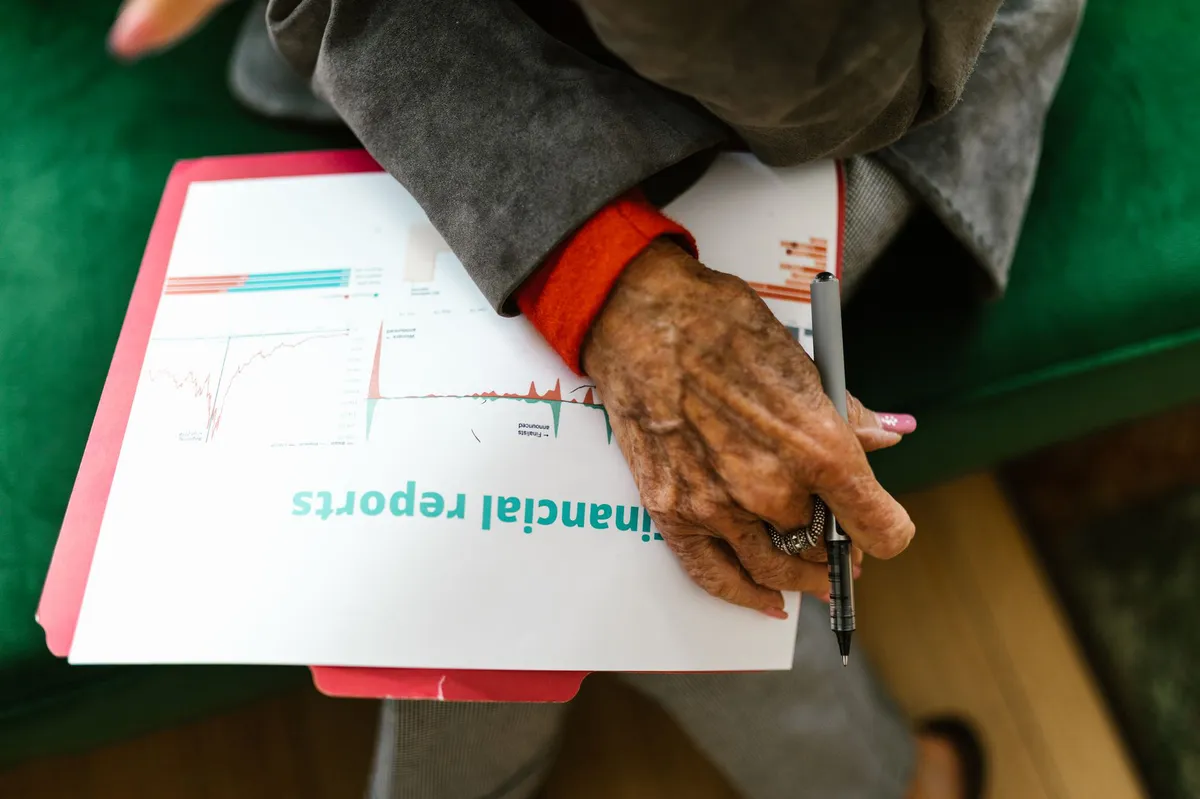
Why Financial Engagement Matters
Being financially engaged is about more than just knowing where the money is; it’s about understanding the implications of financial decisions and having the confidence to participate in discussions about your financial future. Many women face challenges when trying to re-enter the financial landscape after a prolonged absence. They may find that their credit has suffered during time spent away from paid work or that they lack the necessary documentation for loan applications. This can be disheartening and can create a cycle of dependency that is hard to break.
Moreover, understanding your financial situation empowers you to make informed decisions, whether you are considering investments, retirement plans, or simply managing day-to-day expenses. It promotes a sense of security and independence, allowing you to navigate life’s challenges with confidence.

Taking Action: Steps to Financial Empowerment
Recognizing the importance of financial knowledge is the first step; the next is taking action. Here’s how to get started:
- Schedule Regular Check-Ins: Set aside time monthly or quarterly to review your financial inventory with your spouse. This can foster open communication and ensure both partners are on the same page.
- Educate Yourself: Take advantage of financial education resources, including workshops, online courses, and books. Knowledge is empowering.
- Network with Other Women: Join women-focused financial groups or forums. Sharing experiences can provide support and insights that are invaluable.
- Consult Professionals: Regularly meet with your financial team to discuss strategies and ensure you are on track to meet your financial goals.
Key Takeaways
- Financial involvement is crucial for women, especially in marriages where one partner handles finances.
- Understanding your financial situation empowers you to make informed decisions.
- Regular financial discussions with your partner can help maintain transparency.
- Building a network of financial professionals can provide essential support.
Frequently Asked Questions
Why is it important for women to know about their finances?
Understanding personal finances is crucial for women as it empowers them to make informed life decisions, especially during significant life changes such as divorce or the loss of a spouse. Being financially literate ensures that women are not left vulnerable, allowing them to participate fully in discussions about their financial futures.
How can I start managing my finances if I have been out of the loop?
Start by creating a financial inventory that lists all your accounts, debts, and assets. Educate yourself on basic financial principles through courses and workshops. Additionally, having regular discussions with your spouse about finances can help you regain familiarity with your financial landscape.
What should I do if I am unhappy with my current financial situation?
If you are dissatisfied with your financial status, it’s vital to take action. Consult a financial adviser to evaluate your situation and outline a plan for improvement. Begin to educate yourself on financial matters and consider setting specific financial goals to work toward.
How can I ensure I am financially independent in my marriage?
To maintain financial independence, keep at least one credit card in your name and regularly monitor your credit score. Engage in financial discussions with your spouse and ensure you are aware of all financial decisions being made. Establish relationships with financial professionals who can provide guidance and support as needed.
This content is educational and not financial advice.
Comments
Exploring Trump Accounts: A Financial Safety Net for Foster Children
Trump Accounts aim to provide foster children with a financial safety net as they transition to adulthood. While the initiative has garnered support, several key issues remain unresolved. This article delves into what you need to know about these accounts, their potential benefits, and the challenges that lie ahead.

Related articles



Popular in Personal Loans
- Hardee's Franchisee Files for Chapter 11 Amid Financial Turmoil
- The Hidden Costs of SUVs: Understanding the 'SUV Tax' and Its Impact on Your Wealth
- Spectrum's Workforce Changes Amid Customer Losses: What It Means for You
- How Immigration Policy Changes are Impacting Care Worker Shortages and Family Costs
- Unlocking Wealth: The Potential of Trump Accounts for American Families