Understanding the True Cost of Car Ownership: What You Need to Know
Car ownership can be more expensive than you think. Beyond the sticker price and monthly payments, drivers face an average of $5,851 annually in additional costs, including insurance, fuel, and maintenance. This article breaks down these expenses and offers tips for car buyers.

When it comes to purchasing a vehicle, many Americans focus primarily on the sticker price and monthly payments. However, the reality of car ownership encompasses a much broader financial picture. Recent analysis from Insurify, an insurance comparison site, reveals that the average driver in the U.S. spends approximately $5,851 each year on costs beyond auto loan payments. This figure includes essential expenses such as insurance, fuel, and maintenance, which can significantly impact your budget.
Understanding these costs is crucial for both current and prospective car owners. As vehicle prices continue to soar, compounded by inflation, knowing the full scope of ownership expenses can help you make informed financial decisions. In this article, we will delve into the various components of car ownership costs, the factors driving increases, and strategies to mitigate these expenses.

Breaking Down the Costs of Car Ownership
The average annual cost of car ownership, amounting to $5,851, can be dissected into three main categories: insurance, fuel, and maintenance. Let’s explore these categories in detail:
1. Insurance Costs
Insurance is the largest single expense in car ownership, with the average annual full-coverage premium reaching $2,237. This figure represents a substantial jump of approximately 50% since July 2019, highlighting the rising costs associated with insuring vehicles. Several factors contribute to this increase:
- Vehicle Technology: Newer cars often come equipped with advanced technology that makes repairs more expensive, thus raising insurance premiums.
- Inflation: General inflation has also pushed up the costs related to vehicle repairs and replacements, which insurance companies factor into their pricing.
- Location and Driving Record: Premiums can vary widely depending on where you live and your driving history. Insurers may also use credit-based insurance scores to determine rates, which can penalize those with lower scores.
2. Fuel Costs
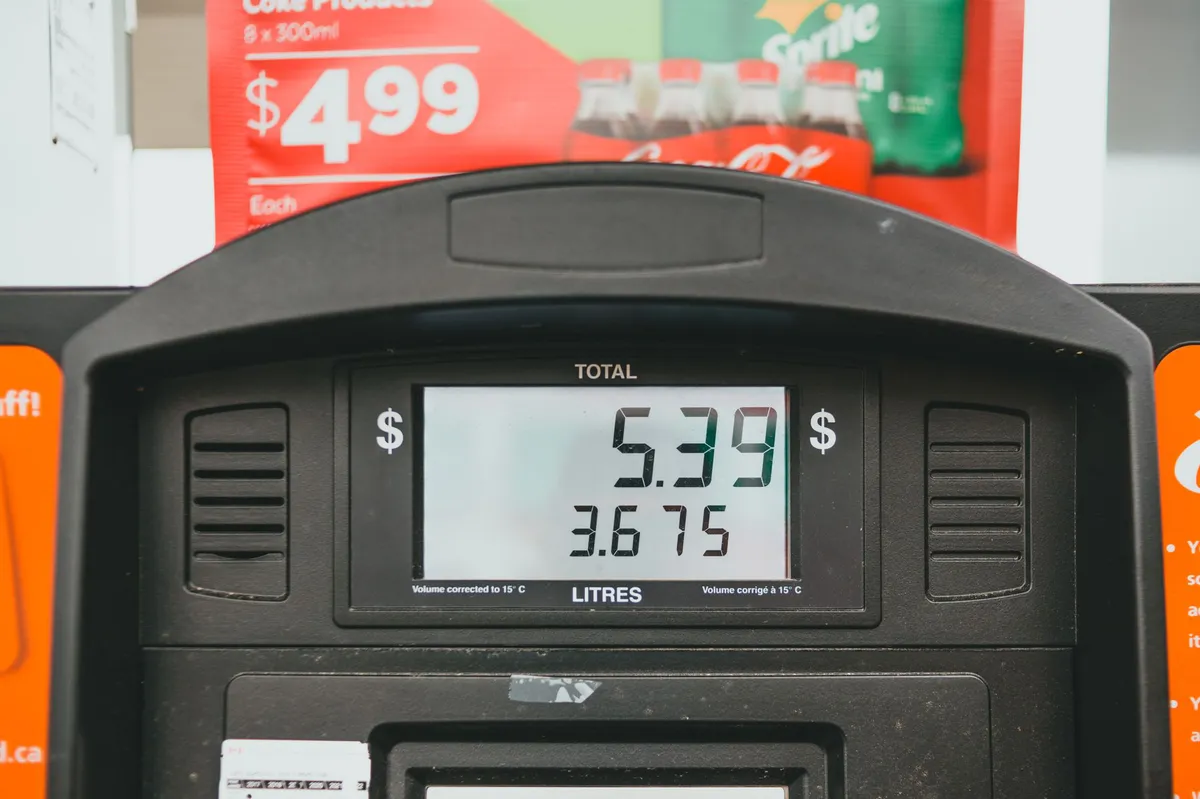
Fuel expenses constitute another significant portion of car ownership costs, averaging $2,126 annually. This figure is influenced by fluctuating gasoline prices, which have increased substantially over recent years. For instance, as of July 2023, the average price of a gallon of regular unleaded gasoline is $4.29, representing a 56% increase from July 2019. This upward trend is driven by factors such as:
- Crude Oil Prices: The cost of crude oil, a primary component of gasoline pricing, has surged due to geopolitical tensions and other market dynamics.
- Supply Chain Issues: Post-pandemic recovery efforts have strained supply chains, further impacting fuel prices.
3. Maintenance and Repair Costs
The maintenance and repair expenses for vehicles average around $1,488 per year, which can vary based on the vehicle's age and model. According to AAA, the cost of maintenance is estimated at 11.04 cents per mile for new vehicles. For a car driven 15,000 miles annually, this translates to approximately $1,656 per year. This figure reflects a significant increase of about 23.5% since 2019.
Older vehicles generally incur higher repair costs due to wear and tear. Prospective buyers of used cars should be particularly mindful of potential maintenance expenses that may arise.
The Impact of Rising Vehicle Prices
In addition to ongoing ownership costs, the market prices of vehicles themselves have significantly increased. The average price of a new car in July 2023 was $49,855, while used cars averaged $27,028. These figures represent a staggering 34% and 29% increase, respectively, since July 2019. This inflation in vehicle prices complicates the financial landscape for car buyers, making it essential to evaluate total ownership costs before proceeding with a purchase.
Moreover, auto loan payments have seen an increase, averaging $765 for new cars and $542 for used cars in the second quarter of 2023. Such payments, combined with the annual costs discussed, can lead to a significant financial burden for car owners.

Strategies for Managing Car Ownership Costs
Given the rising costs associated with car ownership, it’s imperative for drivers to adopt strategies that can help mitigate these expenses. Here are several actionable tips:
- Research Insurance Rates: Before purchasing a vehicle, obtain insurance quotes for the specific models you are considering. This can prevent unpleasant surprises later.
- Consider Fuel Efficiency: Opt for vehicles with higher fuel efficiency ratings to reduce your overall fuel expenses.
- Routine Maintenance: Regular maintenance can prevent costly repairs down the road. Follow manufacturer recommendations for service intervals.
- Evaluate Financing Options: Shop around for the best financing deals to keep monthly payments manageable.
- Budget for Unforeseen Costs: Set aside a portion of your budget for unexpected repairs or increases in fuel prices.
Key Takeaways
- The average annual cost of car ownership is $5,851, excluding auto loan payments.
- Insurance, fuel, and maintenance are the primary contributors to ownership costs.
- Vehicle prices have risen significantly, impacting financing and overall expenses.
- Proactive financial planning can help mitigate the high costs of car ownership.
Frequently Asked Questions
What should I consider before buying a car?
Before purchasing a car, it's essential to consider the total cost of ownership, which includes not just the purchase price and financing, but also insurance, fuel, and maintenance costs. Research the insurance rates for the specific model you’re interested in, as they can vary significantly. Additionally, evaluate your budget to ensure you can comfortably manage ongoing expenses.
How can I lower my car insurance premiums?
To lower your car insurance premiums, consider shopping around for quotes from different insurers, as rates can vary widely. Additionally, maintaining a good credit score, bundling insurance policies, and opting for higher deductibles can also lead to reduced premiums. Some insurers offer discounts for safe driving records, so it’s beneficial to keep a clean driving history.
Is it worth buying a new car versus a used one?
The decision to buy a new or used car depends on several factors, including budget, reliability, and personal preference. While new cars often come with warranties and the latest features, they also depreciate faster and have higher upfront costs and insurance rates. Used cars, while generally more affordable, may require more frequent maintenance. Evaluating the total cost of ownership for each option can help inform your decision.
What are the hidden costs of car ownership?
Hidden costs of car ownership include registration fees, taxes, maintenance, fuel, and insurance. Additionally, there may be costs associated with parking, tolls, and even depreciation. Being aware of these costs can help you prepare a more accurate budget and avoid financial surprises.
Disclaimer: The content is educational, not financial advice.
Comments
Massive ID Breach Affects 150 Million American Drivers: What to Do Now
A staggering data breach has exposed over 153 million U.S. driver's license records, prompting urgent action for affected individuals. Learn how to protect your identity.

Related articles

Popular in Personal Loans
- Hardee's Franchisee Files for Chapter 11 Amid Financial Turmoil
- The Hidden Costs of SUVs: Understanding the 'SUV Tax' and Its Impact on Your Wealth
- Spectrum's Workforce Changes Amid Customer Losses: What It Means for You
- How Immigration Policy Changes are Impacting Care Worker Shortages and Family Costs
- Unlocking Wealth: The Potential of Trump Accounts for American Families