Smart Car Shopping: Tips for Navigating Today’s Market
In a challenging car market, savvy shoppers can still find savings. Explore key strategies to help you navigate prices, inventories, and financing options.

Shopping for a car in today’s market can feel like navigating a minefield. With prices soaring and inventory levels fluctuating, many potential buyers are left wondering how to secure the best deal. As of 2026, the average transaction price for new vehicles has climbed to an astonishing $50,000, making affordability a pressing concern for many. However, with the right strategies and insights, you can still find ways to save and make informed decisions when purchasing your next vehicle.
In this article, we will explore the current state of the car market, delve into effective negotiating strategies, and highlight the importance of flexibility in your purchasing decisions. Whether you’re eyeing a brand-new model or considering a used vehicle, these tips will empower you to make a purchase that aligns with both your needs and your budget.

Understanding the Current Market Landscape
The automotive market has undergone significant changes in recent years, driven by various economic factors including supply chain disruptions, rising interest rates, and shifts in consumer demand. With approximately 16 million cars and light trucks projected to be sold in the U.S. this year, it is essential for buyers to understand the dynamics at play.
The Impact of Inflation and Rising Costs
Over the past few years, inflation has impacted nearly every sector, and the automotive industry is no exception. While car prices are no longer rising at the same pace they once were, buyers are facing higher financing costs as auto loan rates have increased by about one percentage point. For those with lower credit scores, the situation is even more dire, as they may encounter significantly steeper interest rates.
Additionally, car insurance premiums have surged by an average of 54% over the past five years, further contributing to the overall cost of vehicle ownership. For buyers, this means that budgeting for a new vehicle requires careful consideration of not just the sticker price, but also the long-term financial implications of financing and insurance.

Navigating the Negotiation Process
While the current market may seem daunting, savvy buyers can still find room to negotiate and save on their car purchases. Here are several strategies to consider:
- Be Flexible with Your Choices: If you can remain open to different makes, models, or vehicle options, you may uncover better deals. Many buyers gravitate towards popular models, which can lead to less negotiation power due to high demand.
- Consider the Base Model: Opting for the base model of your desired vehicle can lead to substantial savings. For example, the difference between the base model of a Toyota RAV4 and the higher-end trims can be as much as $11,400.
- Research Inventory Levels: Understanding which brands have higher inventories can give you an advantage. Brands like Toyota and Honda currently have lean inventories, making it harder to negotiate, while Stellantis (parent company of Jeep and RAM) has more vehicles available.
- Look at Non-Hybrid Options: With hybrid vehicles making up 14% of total sales, targeting non-hybrid versions can provide more favorable pricing and less pressure to pay inflated prices.

Exploring Alternatives: The Used Car Market
For many buyers, the used car market presents an attractive alternative, especially in a climate where new vehicle prices remain high. The proliferation of leasing in recent years has led to a robust supply of low-mileage vehicles coming off lease, which can offer excellent value.
Benefits of Certified Pre-Owned Programs
Purchasing a used vehicle through a manufacturer’s certified pre-owned (CPO) program can provide peace of mind. CPO vehicles often come with extended warranties and have undergone rigorous inspections, ensuring quality and reliability. Buyers should keep an eye on models that depreciate less in value, particularly those with fewer luxury features, as these can represent great savings for second owners.
Shifts in Consumer Preferences: The Rise of SUVs and Trucks
As consumer preferences continue to evolve, the automotive industry is responding accordingly. There has been a marked decline in interest for sedans, with manufacturers like Tesla discontinuing models like the Model S and Cadillac reducing their sedan offerings. Instead, SUVs and pickup trucks are in high demand, leading to a proliferation of options in these categories.
Emerging Trends: Small and Electric Pickups
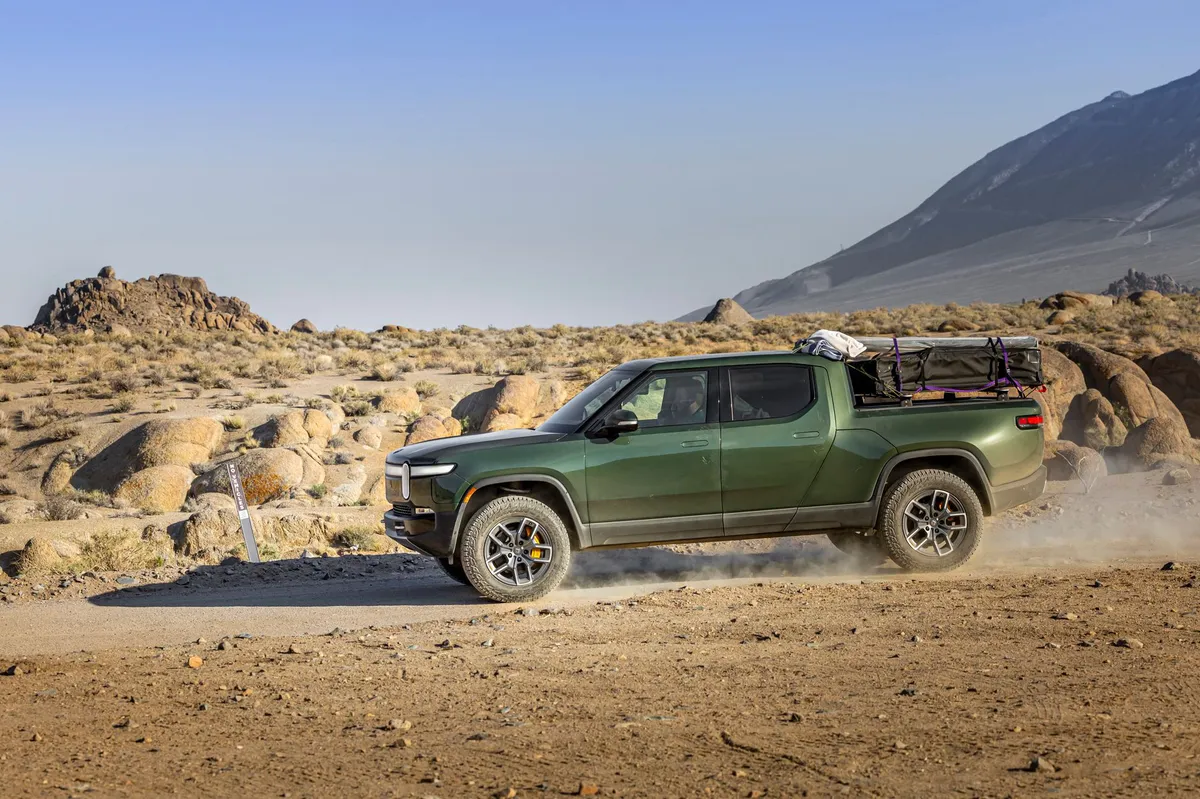
Interestingly, there is a renewed interest in compact pickups as consumers seek alternatives to larger and more cumbersome models. Ford's Maverick has gained popularity for its size and affordability, while startups like Slate Auto are entering the market with innovative electric pickup designs. These vehicles not only cater to changing consumer preferences but also align with a growing interest in environmentally friendly options.
Key Takeaways
- Car prices remain high, with the average transaction price around $50,000.
- Buyers are facing increased financing costs, with auto loan rates rising significantly.
- Negotiation opportunities exist for flexible buyers willing to consider different makes and models.
- The used car market, especially certified pre-owned vehicles, can offer great value.
- Consumer preferences are shifting towards SUVs and trucks, with a growing interest in compact and electric pickups.
Frequently Asked Questions
What should I prioritize when shopping for a new car?
When shopping for a new car, it’s crucial to prioritize your budget and financing options. Assess your current financial situation, including your credit score, to understand what types of loans you may qualify for. It’s also important to research the vehicles you’re interested in, considering factors such as fuel efficiency, insurance costs, and long-term depreciation rates. Being well-informed will empower you to make a smart buying decision.
Is it better to buy new or used in today’s market?
In today’s market, whether to buy new or used depends on your financial situation and personal preferences. New vehicles typically come with warranties and the latest technology, but they also come at a premium price. Conversely, used cars offer the opportunity to save money, especially if you can find a certified pre-owned vehicle with a good track record. Evaluating your needs against the pros and cons of each option can help you determine the best choice for you.
How can I negotiate effectively at a dealership?
To negotiate effectively at a dealership, come prepared with research and a clear understanding of the fair market value for the vehicle you want. Know the best and worst prices for the car, and be willing to walk away if the deal doesn’t meet your expectations. Building a rapport with the salesperson and being flexible can also aid in the negotiation process. Remember, showing genuine interest while remaining firm on your budget can lead to more favorable outcomes.
What financing options should I consider for a car purchase?
When considering financing options for a car purchase, explore a variety of lenders, including banks, credit unions, and dealership financing. Comparing interest rates, loan terms, and total costs will help you find the best deal. Additionally, consider whether a longer loan term is worth the increased interest payments over time. Ultimately, finding a balance between manageable monthly payments and total cost is key.
Disclaimer: The content is educational, not financial advice.
Comments
Spectrum's Workforce Changes Amid Customer Losses: What It Means for You
In response to significant customer losses, Spectrum is making critical workforce changes, including layoffs and a shift towards automation. This article explores the implications of these developments for consumers and the broader telecom industry.
Related articles


Popular in Personal Loans
- Hardee's Franchisee Files for Chapter 11 Amid Financial Turmoil
- The Hidden Costs of SUVs: Understanding the 'SUV Tax' and Its Impact on Your Wealth
- Spectrum's Workforce Changes Amid Customer Losses: What It Means for You
- How Immigration Policy Changes are Impacting Care Worker Shortages and Family Costs
- Unlocking Wealth: The Potential of Trump Accounts for American Families