America's Car-Mart Cuts Locations Amid Financial Turmoil: What It Means for Buyers
America's Car-Mart, a major player in the used-car market, has closed 40% of its dealerships due to financial struggles. This article explores the implications for car buyers, particularly those with limited credit options.
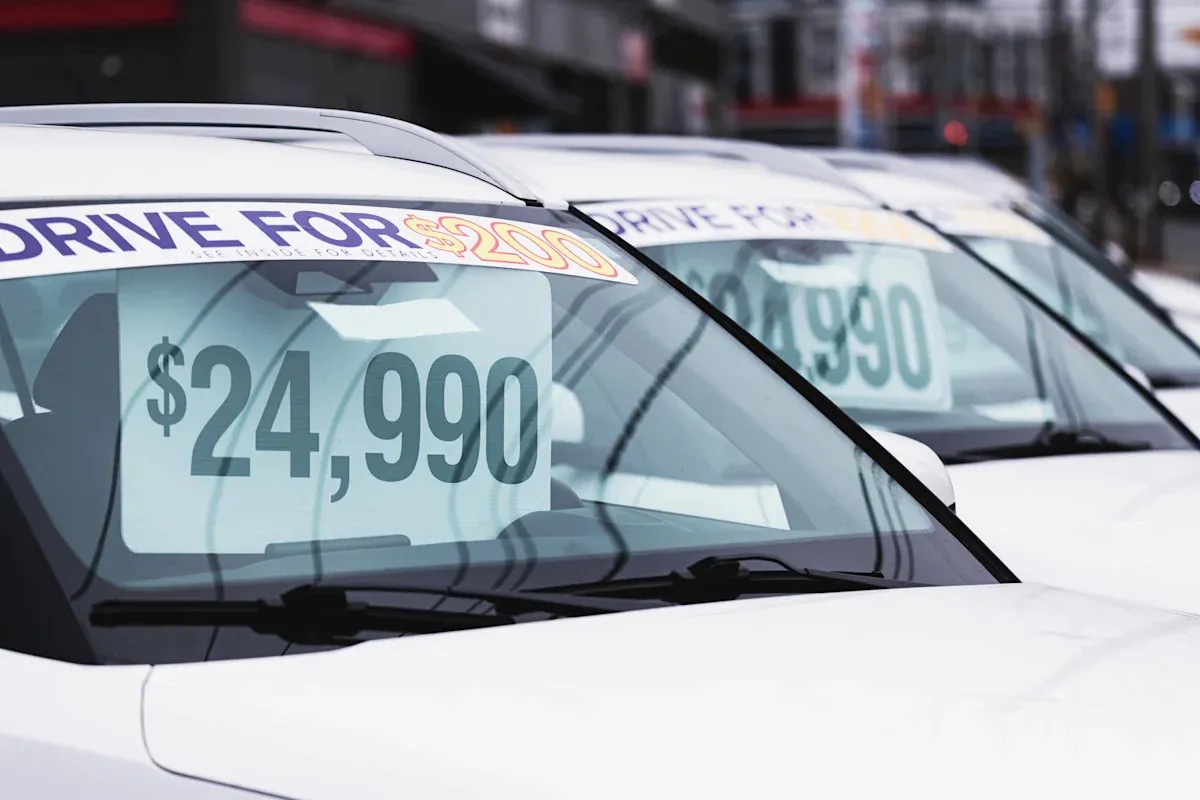
In a stark reflection of the current automotive landscape, America's Car-Mart, one of the largest used-car retailers specializing in the 'buy here, pay here' model, has announced a dramatic reduction of its dealership locations by 40%. This significant downsizing, involving the closure of 60 of its 154 dealerships, raises serious concerns about the financial health of the company and the broader implications for consumers, particularly those in vulnerable financial situations.
The average American car buyer today is grappling with unprecedented financial pressure. Monthly payments for new cars have soared to record highs, with many borrowers stretching their loan terms to cope with the burden. As interest rates climb and economic uncertainty looms, the auto industry is witnessing a seismic shift that could redefine car ownership for millions.
Understanding the 'Buy Here, Pay Here' Model
The 'buy here, pay here' (BHPH) model is designed for consumers with poor or no credit history, allowing them to finance their vehicles directly through the dealership. While this model offers accessibility to car ownership, it often comes with steep consequences. According to recent data, BHPH loans carry interest rates that can reach as high as 21.7%, leaving borrowers in precarious financial situations.
The Financial Landscape for Car Buyers
- Average new car payment: $777 per month
- Percentage of buyers paying $1,000 or more: 20.3%
- Average used car loan amount: $30,414 at 10.5% interest
- Subprime interest rates: 19.4% to 21.7%
These numbers paint a troubling picture: buyers are increasingly finding themselves in a mathematical trap where high interest rates and extended loan terms (sometimes up to 84 months) lead to a cycle of debt, making it difficult to escape. America's Car-Mart's decision to consolidate locations is indicative of how the pressures of financing are not only affecting consumers but also the dealerships that serve them.

America's Car-Mart's Financial Challenges
The company's recent earnings report revealed a staggering net loss of $139.11 million for fiscal year 2026, compared to a profit of $17.93 million the previous year. This situation is compounded by the company's liquidity issues, which have prompted management to take drastic measures, including the closure of underperforming locations.
Phases of Consolidation
America's Car-Mart has implemented a phased approach to its consolidation, which began in late 2024. CEO Doug Campbell outlined the strategy as a way to optimize the company's footprint and costs. The first phase involved closing five underperforming stores, while subsequent phases have resulted in a total of 60 locations being shuttered. This reduction raises questions not just about the company's operational efficiency, but also its long-term viability.
Implications for Consumers
The ramifications of America's Car-Mart's downsizing extend far beyond its corporate balance sheet. For consumers, particularly those with limited credit options, the loss of local dealerships can severely restrict access to affordable financing. In many rural and underserved communities, BHPH dealerships represent one of the few avenues for car ownership.
The Risk of Repossession
As noted by Senator Elizabeth Warren, the BHPH industry has come under scrutiny due to its high-interest loans and aggressive repossession practices. Research shows that nearly 78% of BHPH lending goes to subprime borrowers, who often face higher delinquency and repossession rates compared to traditional auto lenders. With America's Car-Mart consolidating its locations, the risk of repossession looms large for many borrowers who are already struggling to make ends meet.

The Broader Automotive Market Context
The challenges faced by America's Car-Mart are reflective of broader trends within the automotive industry. Rising interest rates and inflation have created a perfect storm for consumers, driving both new and used car prices to unsustainable levels. The average monthly payment for a new car has reached an eye-watering $777, leaving many buyers in a precarious financial position.
Why This Matters Now
The current economic climate is forcing consumers and dealerships alike to reevaluate their financial strategies. As the Federal Reserve continues to raise interest rates in an effort to combat inflation, the cost of borrowing is expected to rise further, impacting car buyers' ability to finance their vehicles. America's Car-Mart's liquidity crisis is a cautionary tale highlighting the risks associated with high-interest financing and the importance of consumer education in navigating these turbulent waters.

Key Takeaways
- America's Car-Mart has closed 40% of its dealerships, signaling deeper financial issues.
- The average monthly car payment has reached historic highs, placing pressure on consumers.
- BHPH dealerships play a crucial role for subprime borrowers, but face scrutiny over lending practices.
- The current economic environment poses significant challenges for both consumers and the automotive industry.
Frequently Asked Questions
What does the closure of America's Car-Mart locations mean for existing customers?
Existing customers will continue to make payments under the same loan terms, as servicing will be transferred to nearby consolidated dealerships. However, the loss of local access to these dealerships may make it more challenging for customers to seek assistance or resolve issues related to their loans.
How do high-interest auto loans affect consumers?
High-interest auto loans can lead to a cycle of debt, where borrowers find themselves making payments that are difficult to manage. In many cases, consumers may end up paying significantly more than the original purchase price of the vehicle due to interest, which can result in negative equity, where the loan amount exceeds the car's value.
What are the risks of 'buy here, pay here' financing?
The risks associated with BHPH financing include high-interest rates, aggressive collection practices, and the potential for repossession. These factors can create a precarious financial situation for borrowers, particularly those already facing economic challenges. The combination of these risks has led to increased scrutiny from regulators and consumer advocates.
What should consumers consider when financing a vehicle?
Consumers should carefully assess their financial situation before committing to an auto loan. This includes evaluating their budget, understanding the total cost of the loan (including interest), and exploring all available financing options. It is advisable to seek loans with lower interest rates and more favorable terms whenever possible to avoid falling into a cycle of debt.
This content is educational, not financial advice.
Comments
Popular in Personal Loans
- Hardee's Franchisee Files for Chapter 11 Amid Financial Turmoil
- The Hidden Costs of SUVs: Understanding the 'SUV Tax' and Its Impact on Your Wealth
- Spectrum's Workforce Changes Amid Customer Losses: What It Means for You
- How Immigration Policy Changes are Impacting Care Worker Shortages and Family Costs
- Unlocking Wealth: The Potential of Trump Accounts for American Families