Ditching Frugal Habits: How to Spend Wisely After Achieving Wealth
As you transition from wealth-building to enjoying your financial success, it’s essential to let go of outdated frugal habits. Discover which practices to leave behind and how to make the most of your wealth.
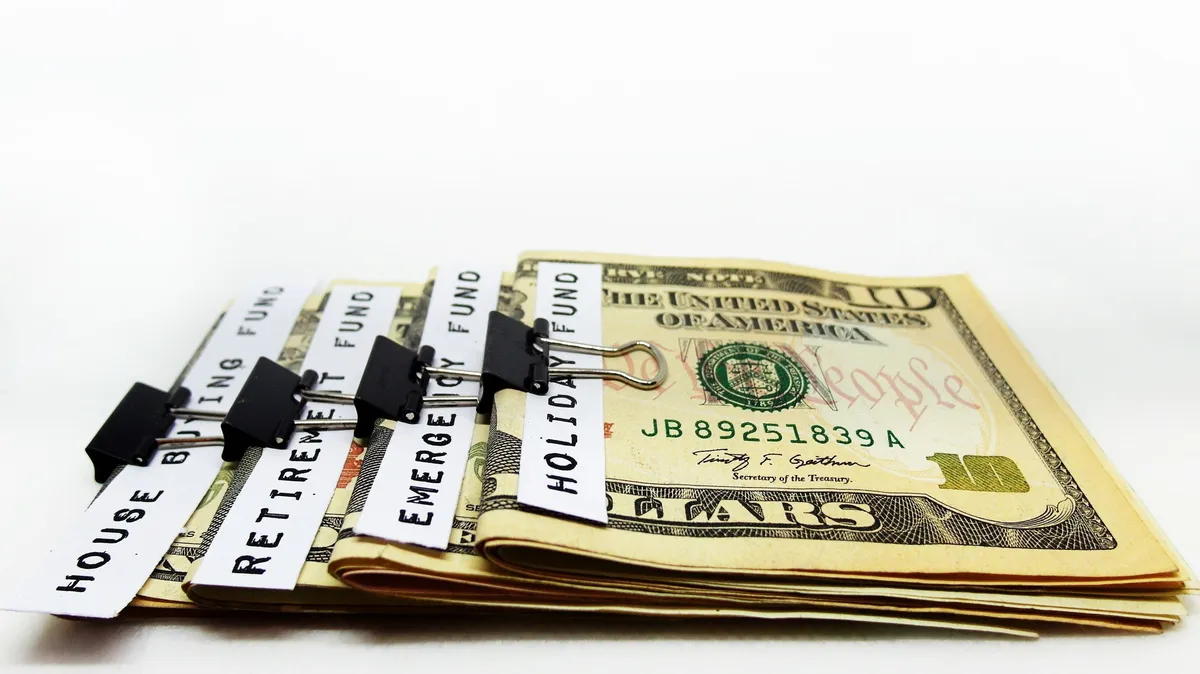
Achieving financial success is no small feat. After years of hard work, saving diligently, and making sacrifices, you find yourself in a position where your wealth is substantial, and your retirement goals are within reach. However, as you transition from the wealth accumulation phase to a more comfortable lifestyle, a crucial question arises: should you continue the frugal habits that got you here? While frugality has its merits, some habits may no longer serve your financial well-being. It’s time to evaluate and adapt your spending mindset to reflect your new financial status.
Many individuals develop frugal habits out of necessity, honing their skills to budget effectively and save diligently. But as you approach retirement or find yourself financially secure, clinging to these outdated practices can be counterproductive. This article will explore three frugal habits you might need to reconsider, emphasizing how to maximize your wealth without falling into the trap of overspending.

1. Letting Go of Aggressive Saving
For most people, aggressive saving is the cornerstone of financial security. It’s a behavior cultivated over years of paycheck-to-paycheck living, student loans, and the looming threat of unexpected expenses. However, once you’ve reached your retirement savings target or accumulated enough wealth to comfortably support your lifestyle, it’s time to shift gears.
Understanding the Shift
Transitioning from saving to spending can be a daunting psychological hurdle. Your instinct may still be to save aggressively, fearing that every dollar spent is a dollar lost. Yet, this mindset can prevent you from enjoying the fruits of your labor. Instead, focus on establishing a sustainable withdrawal strategy that allows you to enjoy your wealth.
- Identify your fixed income: Determine a fixed amount you can comfortably withdraw each year without jeopardizing your long-term financial health.
- Allow for flexibility: Your spending plan should include provisions for emergencies and unexpected expenses.
- Consult with a financial planner: If you’re unsure about your financial plan’s sustainability, a financial advisor can provide personalized guidance.

2. Embracing Credit Over Cash
When starting your financial journey, using cash or debit cards may have been the safest option. This practice allowed you to avoid debt while honing your budgeting skills. However, once you've built a solid credit history and developed disciplined spending habits, it’s time to reconsider your payment methods.
Maximizing Rewards
By sticking solely to cash or debit, you may be missing out on valuable rewards and benefits that credit cards can offer. Today’s credit cards often provide cash back, travel rewards, and other perks that can enhance your financial situation. For example, many individuals earn hundreds of dollars in cash back simply by using the right credit card for their everyday purchases.
Here’s how to transition from cash to credit:
- Research rewards cards: Look for credit cards that align with your spending habits, such as those offering cash back on groceries or travel points.
- Start with no annual fee cards: Choose cards without annual fees to build your rewards without additional costs.
- Stay disciplined: Continue to monitor your spending, ensuring you don’t incur debt that you can’t pay off each month.

3. Rethinking Basic Economy Travel
For occasional travelers, basic economy fares may seem like the most sensible option. They typically come at a lower price point but often lack the perks associated with upgraded tickets, such as seat selection and checked baggage. However, if your retirement plans include traveling the world, it’s time to rethink this frugal habit.
Investing in Experience
While basic economy fares can save you money in the short term, they may not provide the best value in the long run. If you plan to travel frequently, investing in upgraded fares can yield significant benefits, such as earning airline miles and enjoying additional amenities. This could lead to free flights, hotel stays, and a more enjoyable travel experience overall.
Consider the following when booking travel:
- Evaluate your travel patterns: If you travel often, an upgraded fare may be worth the extra cost for the perks it offers.
- Explore travel rewards programs: Sign up for frequent flyer programs and travel credit cards that allow you to earn points for each trip.
- Compare costs and benefits: Sometimes, spending a little more upfront can lead to greater long-term savings through rewards and conveniences.
Key Takeaways
- Transitioning from frugal habits to value-based spending is essential as you approach retirement.
- Focus on sustainable withdrawal strategies to enjoy your wealth without anxiety.
- Utilize credit cards strategically to maximize rewards and benefits.
- Consider upgrading travel fares to enhance your travel experiences and earn points.
Frequently Asked Questions
Why is it hard to let go of frugal habits after achieving wealth?
Letting go of frugal habits can be challenging because these behaviors are often deeply ingrained. Many individuals associate their self-worth and security with their ability to save and budget effectively. This psychological attachment makes it difficult to shift gears and embrace a lifestyle that includes spending. It’s important to recognize that enjoying your wealth is a reward for your hard work and discipline.
How can I ensure my spending is sustainable during retirement?
To ensure your spending is sustainable during retirement, create a detailed budget that accounts for all your income sources and expenses. Identify a fixed income level that allows for both essential and discretionary spending while leaving room for unexpected costs. Regularly review and adjust your budget as needed, and consider consulting with a financial planner to help you develop a comprehensive retirement plan.
Are rewards credit cards worth the risk of debt?
Rewards credit cards can be worth it if used responsibly. If you have a solid understanding of your spending habits and the discipline to pay off your balance each month, you can reap significant rewards without falling into debt. It’s crucial to avoid overspending simply to earn rewards, as this can negate the benefits of the program. Choose cards that align with your lifestyle to maximize your benefits while maintaining financial health.
What travel perks should I look for when choosing a credit card?
When selecting a travel rewards credit card, look for features such as sign-up bonuses, points for every dollar spent, and additional travel benefits like free checked bags, priority boarding, and travel insurance. These perks can enhance your travel experience and often make the card more valuable than its annual fee. Consider your travel habits and choose a card that aligns with your needs to maximize your rewards.
Disclaimer: This content is educational, not financial advice.
Comments
Navigating the 2026-27 FAFSA Changes: What Families Need to Know
The 2026-27 FAFSA introduces significant changes that can impact financial aid eligibility for families. Key adjustments include a more favorable treatment of small businesses and farms, as well as stricter Pell Grant qualifications. Understanding these changes is crucial for maximizing financial aid opportunities.
Related articles
Popular in Personal Loans
- Hardee's Franchisee Files for Chapter 11 Amid Financial Turmoil
- The Hidden Costs of SUVs: Understanding the 'SUV Tax' and Its Impact on Your Wealth
- Spectrum's Workforce Changes Amid Customer Losses: What It Means for You
- How Immigration Policy Changes are Impacting Care Worker Shortages and Family Costs
- Unlocking Wealth: The Potential of Trump Accounts for American Families