Major Cannabis Company Cuts Jobs Amid Industry Challenges
Parallel, a major player in the cannabis industry, announces the closure of two facilities in Florida, resulting in the loss of 211 jobs. This decision highlights the ongoing challenges faced by cannabis companies as they navigate financial difficulties and market pressures.

The cannabis industry has experienced a rollercoaster of growth and challenges in recent years. As more states legalize marijuana for medical and recreational use, companies have rapidly expanded their operations, creating a complex ecosystem that includes cultivation, processing, and retail. However, recent developments are signaling a troubling trend: significant layoffs and facility closures among major cannabis operators. One such company, Parallel, is making headlines with the permanent closure of two Florida facilities, resulting in the loss of 211 jobs. This move not only reflects the company's current financial distress but also underscores the difficulties many cannabis businesses are facing in a competitive and heavily regulated market.
Parallel, the parent company behind the Surterra Wellness dispensary chain, announced the closures of its facilities located in Wimauma and Lakeland, Florida. According to a Worker Adjustment and Retraining Notification (WARN) reviewed by TheStreet, layoffs began on July 6, 2026, and affected a broad range of positions, including cultivation technicians, production workers, and laboratory employees. This decision raises important questions about the health of the cannabis market and what it means for the future of jobs in this burgeoning industry.
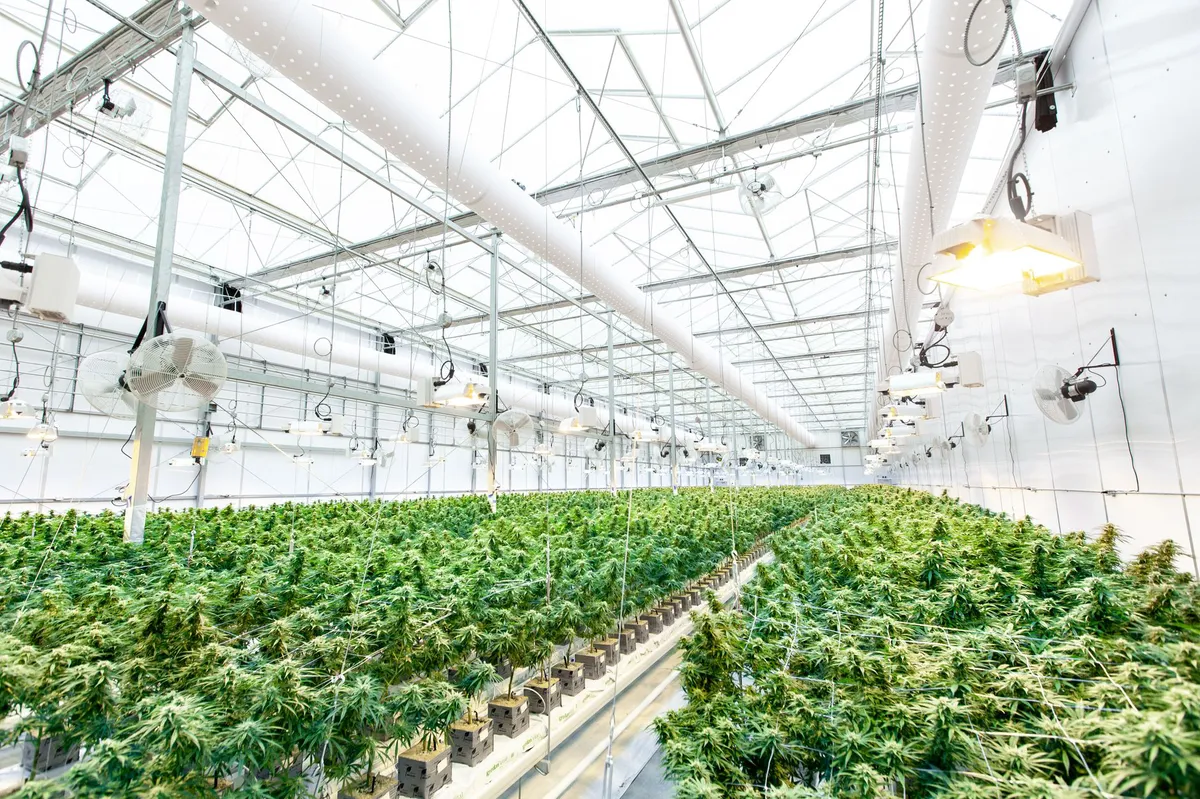
The Growing Pains of the Cannabis Industry
Despite the general optimism surrounding the cannabis market, individual companies like Parallel are grappling with numerous operational challenges. The global cannabis market was valued at $102.72 billion in 2025 and is projected to reach $137.67 billion in 2026, according to research from Fortune Business Insights. However, this growth is not uniform across the industry. Many operators are facing intense competition, high production costs, and increasingly complex regulatory environments.
For example, Parallel's recent layoffs come at a time when the company is undergoing significant financial restructuring. The firm is transitioning control of certain assets to creditors as it seeks to address its financial difficulties. Creditors associated with SunStream Bancorp, which has a stake in Parallel, had previously provided financing to the company. Due to the financial strains, these creditors are now entering a strict foreclosure agreement that allows them to gain control over Parallel’s pledged assets.
Job Cuts and Their Impact
The job losses resulting from the facility closures are significant. At the Wimauma location, 43 Production Technician I employees and a significant number of cultivation technicians and team leads were affected. The Lakeland facility saw similar cuts, impacting both cultivation and operational roles.
- 211 total job losses across two facilities in Florida.
- Positions affected include: cultivation technicians, production technicians, lab workers.
- Surterra Wellness operates 45 retail locations in Florida.
The loss of these jobs not only affects the employees and their families but also ripples through the local communities. As cannabis companies like Parallel scale back their operations, the economic stability of regions reliant on these jobs could be jeopardized.
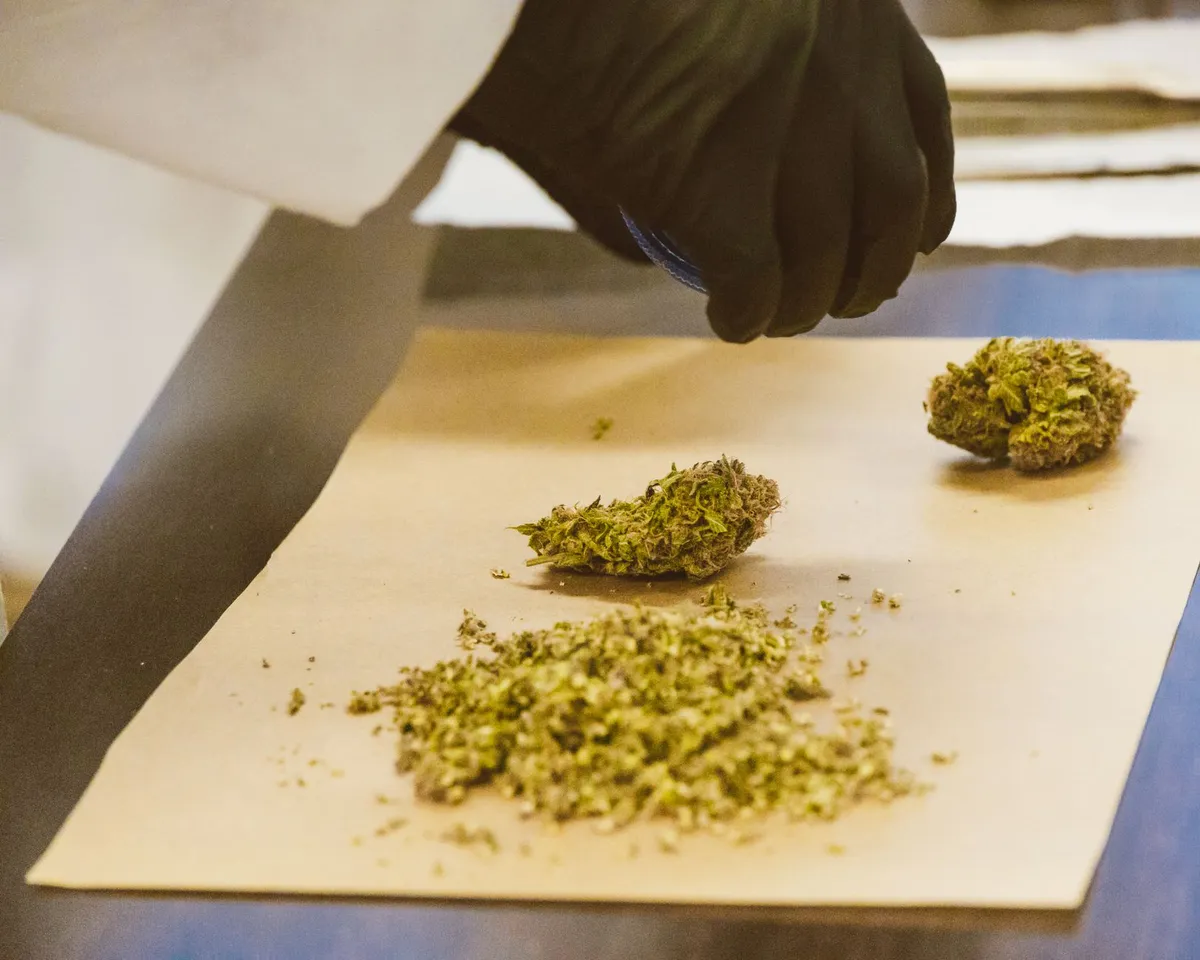
Financial Restructuring and Market Pressures
The impending financial restructuring at Parallel is a crucial factor in the company’s decision to close facilities. This process, which began in 2023, aims to help the company regain its financial footing. In February 2025, the Florida Department of Health approved the transfer of Parallel's cannabis license, a vital step toward stabilizing operations. However, the restructuring has not been without its challenges.
SNDL, a Canadian cannabis company and one of Parallel’s creditors, has been vocal about the difficulties facing cannabis businesses. In their first-quarter 2026 earnings report, SNDL noted a 14.2% decline in their cannabis revenue year over year, attributing it to weaker demand and inventory reductions. Such trends are indicative of broader market pressures, including price competition and varying state regulations that can significantly impact profitability.
Understanding the Cannabis Market Landscape
The cannabis industry is unique in that it operates under a complex web of state and federal regulations. While many states have legalized cannabis, it remains classified as a Schedule I substance at the federal level. This discrepancy creates challenges for cannabis businesses, including access to banking services and limitations on tax deductions. As companies strive to navigate this complicated landscape, the outcome can be uneven, affecting their operational viability.
Moreover, the ongoing battle for market share among cannabis producers is intensifying. With more states considering legalization, new players are entering the market, further complicating the competitive landscape. For existing operators, this means they must continuously innovate and adapt to consumer preferences while managing operational costs.

Looking Ahead: The Future of Cannabis Employment
As the cannabis market continues to evolve, the future of employment within the industry remains uncertain. The recent layoffs at Parallel serve as a cautionary tale for both employees and employers. For workers, this is a reminder of the volatility inherent in emerging industries. For employers, it highlights the need for sustainable growth strategies in an increasingly competitive environment.
Despite these challenges, many experts remain optimistic about the long-term potential of the cannabis industry. With projected growth rates suggesting a compound annual growth rate (CAGR) of around 34% between 2026 and 2034, the market is expected to rebound. As regulations evolve and more states legalize cannabis, new opportunities will likely emerge. However, for now, the industry must grapple with the reality of financial pressures and the impact on the workforce.
Key Takeaways
- Parallel's closure of two facilities results in 211 job losses in Florida.
- The cannabis industry is facing significant challenges, including high production costs and regulatory hurdles.
- Financial restructuring efforts may lead to changes in company control and operational strategies.
- The overall cannabis market is projected to grow significantly, but individual companies may struggle.
Frequently Asked Questions
What is Parallel's current financial situation?
Parallel is currently undergoing a financial restructuring process that involves transferring control of certain assets to its creditors. This restructuring is a response to financial difficulties the company has faced in recent years, particularly as it navigates a challenging cannabis market. The company’s future will depend on how successful it is in stabilizing its operations and adapting to changing market conditions.
How does the cannabis market outlook affect job stability?
The cannabis market's overall growth projections suggest a positive future, with expectations for substantial expansion in the coming years. However, job stability can be precarious in this sector due to factors like market competition, regulatory changes, and company-specific financial issues. As companies like Parallel reduce their workforce in response to these pressures, job security for cannabis employees may fluctuate significantly.
What should cannabis employees do if they are laid off?
If cannabis employees are laid off, they should first review their severance package and understand their rights under the WARN Act, which requires employers to provide advance notice of mass layoffs. Additionally, they should consider seeking new employment opportunities within the growing cannabis market, as well as exploring training programs that can enhance their skills for future roles.
Disclaimer: This content is educational, not financial advice.
Comments
Republic National Distributing Company Files for Chapter 11 Bankruptcy: What It Means for the Alcohol Industry
Republic National Distributing Company, a key player in the U.S. alcohol distribution sector, has filed for Chapter 11 bankruptcy amid declining alcohol consumption. This article explores the contributing factors, industry impact, and what consumers and investors should know.

Related articles

Popular in Personal Loans
- Hardee's Franchisee Files for Chapter 11 Amid Financial Turmoil
- The Hidden Costs of SUVs: Understanding the 'SUV Tax' and Its Impact on Your Wealth
- Spectrum's Workforce Changes Amid Customer Losses: What It Means for You
- How Immigration Policy Changes are Impacting Care Worker Shortages and Family Costs
- Unlocking Wealth: The Potential of Trump Accounts for American Families