The Surprising Surge in Used Electric Vehicle Prices: What It Means for You
Used electric vehicle prices are defying conventional depreciation trends, creating both opportunities and challenges for buyers and sellers. This article explores the factors behind this unusual market behavior and provides actionable insights for consumers navigating the EV landscape.
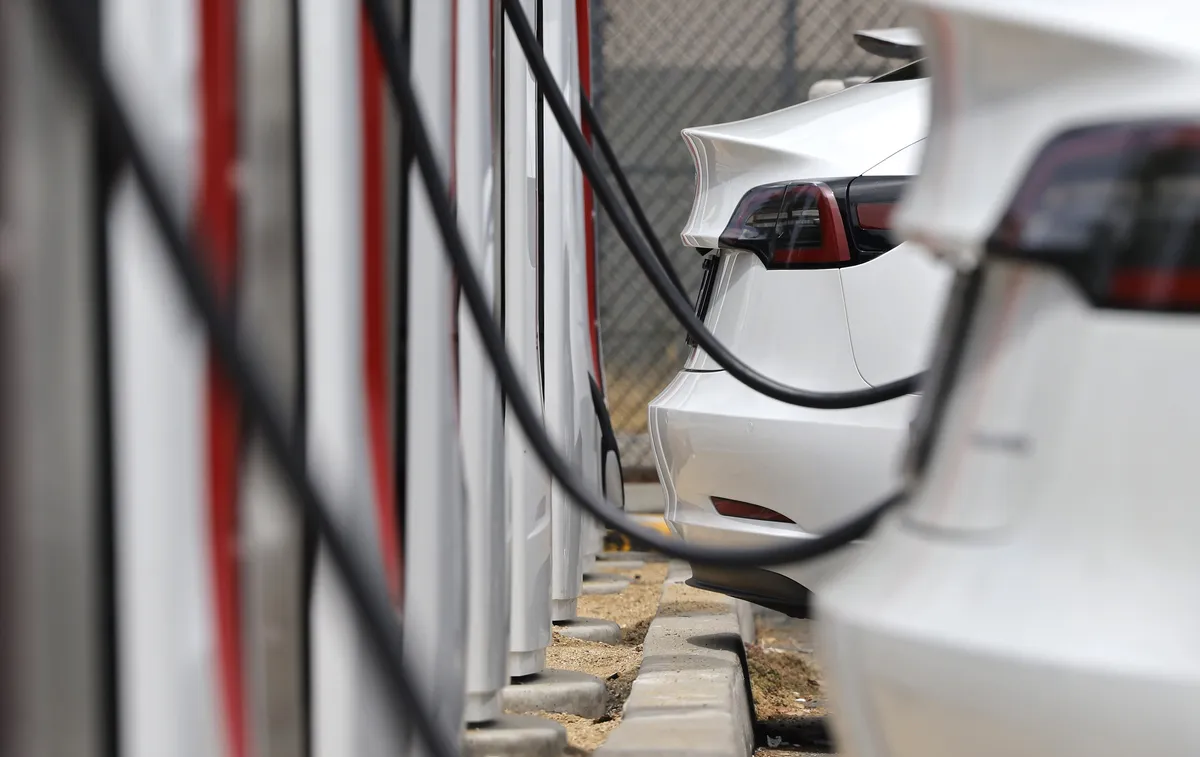
The electric vehicle (EV) market is undergoing a surprising transformation, particularly when it comes to the prices of used electric vehicles. Traditionally, vehicles depreciate in value as soon as they leave the dealership, a trend that has been especially pronounced in the EV sector. However, recent data reveals that used EV prices are not just holding steady but are actually increasing. This phenomenon presents both opportunities and challenges for consumers looking to buy or sell used EVs.
According to a recent analysis by Recurrent, used EV prices have seen an unexpected appreciation of 7% year-to-date as of mid-July 2026. This uptick contradicts the typical depreciation curve we see in the automotive industry, where used vehicles generally lose value over time. For potential sellers, this trend could mean higher returns on their investment, while buyers might face steeper price tags on the market.
Understanding the Dynamics of Used EV Pricing
Normally, the value of used cars decreases due to various factors including mileage, wear and tear, and market supply and demand. Traditionally, EVs have been notorious for their rapid depreciation, largely because of the fast pace of technological advancements and the initial high costs of electric vehicles. As new models emerge, older versions quickly lose their appeal and market value.
Current Market Trends
However, in 2026, used EV prices are defying the odds with a notable increase. The average transaction price for three-year-old EVs climbed to $33,303 in the first half of the year, up from $31,429. This shift has been attributed to several key factors:
- Increased Demand: High gasoline prices, recently exacerbated by geopolitical tensions, have driven consumers towards more fuel-efficient options, including used EVs.
- Higher Supply: An influx of used EVs, especially with over 500,000 leased vehicles expected to return to the market this year, has not led to the expected price drop. The high demand seems to be counteracting the increased supply.
- Tax Credit Changes: The expiration of federal tax credits for EVs has not deterred buyers as anticipated; instead, demand remains robust.
The Impact of Inflation and Fuel Prices
Inflation has been a consistent issue, with rates remaining above the Federal Reserve's target of 2% for several years. This economic environment has pushed many consumers to consider more affordable options in the used market. Average gas prices in the U.S. hovered around $4.10 per gallon in late July 2026, a significant increase from $3.12 the previous year. This spike has made the cost of operating traditional gas-powered vehicles less appealing, effectively bolstering interest in used EVs.
Consumer Behavior Shifts
As consumers seek more economical solutions, the attractiveness of used EVs becomes evident. With the potential to acquire a newer model at a similar price point to an older gas-powered vehicle, buyers are finding greater value in electric options. Industry experts note that used EV sales surged by 20% in June compared to the previous year, while new EV sales fell by approximately 28%.
Price Trends by Model and Segment
The price appreciation for used EVs is not uniform across all models and price segments. Analysis shows that:
- Used EVs priced under $20,000 saw a price increase of 9.4% in the first half of 2026.
- Models in the $20,000 to $30,000 range increased by 5.6%.
- Higher-priced EVs, particularly those over $40,000, experienced a decline in value, with prices dropping by 1.2% to 3.3%.

What This Means for Buyers and Sellers
If you own a used EV, this market trend could spell good news. The likelihood of receiving a favorable price has increased, making it an ideal time to consider selling if you are in the market for a new vehicle or looking to upgrade. As Ivan Drury from Edmunds notes, “If your ownership cycle is coming to an end with this vehicle, price-shop this thing.”
For Buyers
On the flip side, potential buyers may find themselves facing higher prices for used EVs than they might have expected. The increased transaction costs could hinder some buyers from making the switch to electric. However, it’s essential to consider the total cost of ownership, which may still favor EVs due to lower maintenance costs and fuel savings.
Key Takeaways
- Used EV prices are appreciating, with an average increase of 7% so far in 2026.
- High gasoline prices and inflation are driving consumer interest in fuel-efficient vehicles.
- Used EVs under $20,000 are witnessing the highest price growth.
- Sellers may benefit from favorable market conditions, while buyers need to navigate higher price points.
- The total cost of ownership for EVs can be lower than that of traditional vehicles.
Frequently Asked Questions
Why are used EV prices rising when traditionally they depreciate?
The rise in used EV prices can be attributed to a unique combination of increased consumer demand driven by high gasoline prices, a shift in supply dynamics, and the unexpected resilience of the market despite the expiration of federal tax credits. The current economic climate, characterized by inflation, has also prompted consumers to look for more cost-effective transportation options, further fueling demand for used electric vehicles.
What should I consider if I plan to sell my used EV?
If you’re considering selling your used EV, now may be an advantageous time due to rising prices. Assess the current market value through online resources and compare offers from different buyers. Be sure to highlight the vehicle’s condition, mileage, and any upgrades, as these factors can significantly influence the sale price.
Are there any risks involved in buying a used EV right now?
While the appreciation in used EV prices presents an opportunity, buyers should be cautious. Higher prices can make EVs less accessible, and the market could fluctuate based on factors like supply chain disruptions and changes in consumer demand. It’s crucial to thoroughly research specific models and their long-term reliability, as well as consider the total cost of ownership, including maintenance and charging costs.
How do electric vehicle prices compare to gas-powered vehicles?
Generally, used electric vehicles are competing well against their gas-powered counterparts, especially in terms of total cost of ownership. While upfront prices for used EVs may be rising, their lower maintenance and fuel costs can make them more economical in the long run. Many buyers are now finding that they can purchase a nearly new EV at a similar price to older gas-powered models, making EVs a more attractive option.
Disclaimer: The content is educational, not financial advice.
Comments
How to Raise Financially Savvy Kids: Lessons for Every Age
Teaching kids about money is crucial for their future success. Learn practical strategies tailored for preschoolers, preteens, and teenagers to foster financial literacy.

Related articles


Popular in Personal Loans
- Hardee's Franchisee Files for Chapter 11 Amid Financial Turmoil
- The Hidden Costs of SUVs: Understanding the 'SUV Tax' and Its Impact on Your Wealth
- Spectrum's Workforce Changes Amid Customer Losses: What It Means for You
- How Immigration Policy Changes are Impacting Care Worker Shortages and Family Costs
- Unlocking Wealth: The Potential of Trump Accounts for American Families