What to Do When Someone Hits Your Parked Car: A Complete Guide
Discover the essential steps to take if someone hits your parked car, how to navigate insurance claims, and the coverage options that may help you manage the situation effectively.
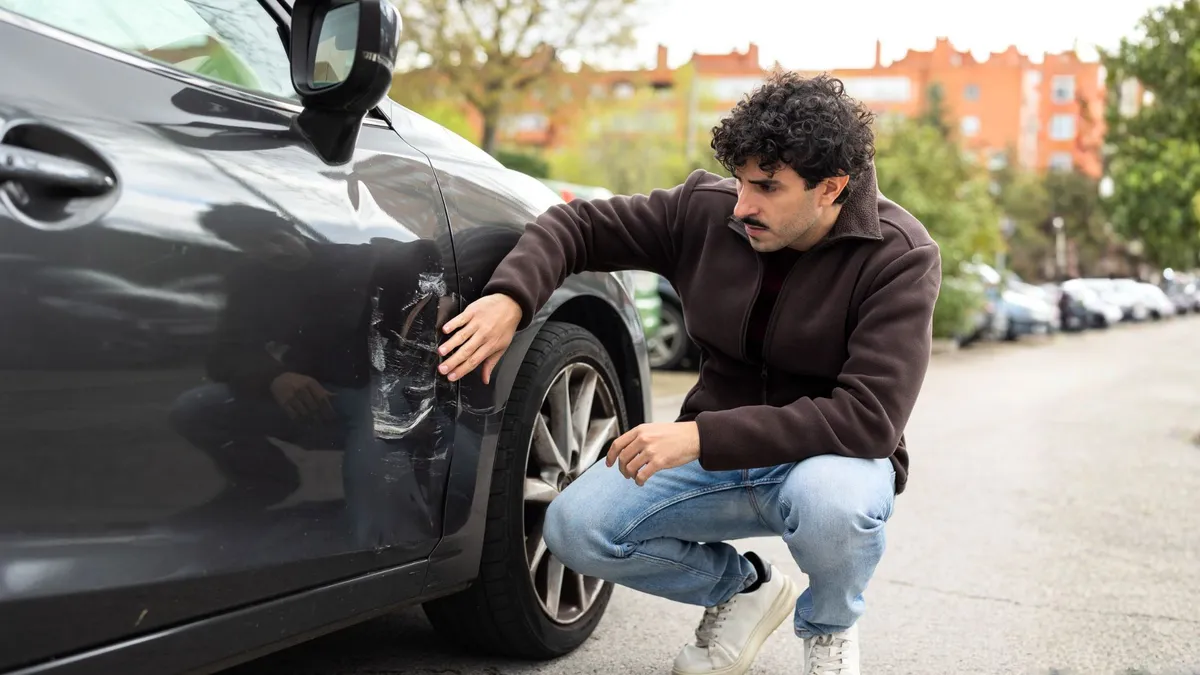
Returning to your car after a seemingly innocent shopping trip only to find it damaged can be disheartening. Parking lots are often chaotic spaces where accidents can happen at any moment. If you discover that someone has hit your parked car and fled the scene without leaving any information, the situation can quickly become overwhelming. Knowing how to respond effectively can not only help you address the immediate damage but also guide you through the often-complex world of insurance claims.
In this article, we will cover the steps you should take immediately after discovering the damage, the types of insurance coverage available, whether to file a claim, and strategies to minimize future risks. By being informed, you can navigate this unfortunate incident with confidence.
Immediate Steps to Take After a Hit-and-Run
The first few minutes after you discover that your car has been damaged are crucial. Acting quickly and methodically can help you gather the necessary information to track down the responsible party and support any insurance claims you may need to file.
Document the Damage
Before you move your vehicle, take several photographs of the damage, including close-ups and wider shots that show the surrounding area. This documentation can serve as vital evidence if you decide to file a claim. Look for:
- Debris or paint transfer that might indicate the color or make of the vehicle that hit yours.
- Witnesses who may have seen the incident, as their accounts could provide additional details.
- Surveillance cameras from nearby businesses, which may have captured the incident.
Contact the Authorities
It's advisable to contact the police to report the incident. Filing a police report not only documents the event but is often a requirement by insurance companies before they process claims. Be sure to get the officer's name and badge number for your records.

Understanding Your Insurance Coverage
After a hit-and-run, one of the first questions on your mind might be whether to file an insurance claim. Your decision will depend largely on your specific coverage and the estimated repair costs.
Types of Coverage That May Help
When it comes to car insurance, not all policies are created equal. Here's a breakdown of the types of coverage relevant to a parked car hit-and-run:
- Collision Coverage: This coverage typically pays for repairs to your vehicle regardless of who is at fault. If you have collision coverage, you can file a claim, but be prepared to pay your deductible.
- Uninsured Motorist Property Damage (UMPD): This optional coverage may help cover costs if the at-fault driver is uninsured or fled the scene. However, it varies by state, so check your policy for details.
- Liability Insurance: This type of insurance pays for damages you cause to other vehicles or property but does not cover damages to your own vehicle.
Calculating the Costs: To Claim or Not to Claim?
Before filing a claim, weigh the estimated repair costs against your deductible. For example, if your deductible is $1,000 and repairs are estimated at $1,100, filing a claim would only save you $100. Alternatively, if repairs cost $3,000, filing a claim would significantly reduce your out-of-pocket expense. Keep in mind that claims could also lead to higher insurance premiums, potentially impacting your finances for years to come.
The Impact of Filing a Claim on Your Insurance Premiums
One of the most significant considerations after a hit-and-run is how filing a claim might affect your insurance premiums. Generally, if you file a claim, your insurer may increase your rates, even if you're not at fault. This is particularly true if you have a history of multiple claims within a short time frame, which could lead to more substantial rate increases.
Understanding Your Insurer's Policies
Different insurance companies have varying policies regarding claims and premium increases. It’s prudent to check with your insurer about their specific practices before proceeding. This knowledge can help you make a more informed decision about whether to file a claim.
Using Technology to Your Advantage
Modern technology can play a crucial role in identifying a hit-and-run driver. Many businesses today utilize surveillance cameras in their parking lots, which could provide video evidence of the incident.
Act Quickly to Secure Surveillance Footage
If you suspect that security cameras may have captured the accident, reach out to the business as soon as possible. Keep in mind that surveillance footage is often overwritten after a set period—typically between seven and 30 days for home systems and 30 to 90 days for commercial systems—so prompt action is critical.
What If Someone Leaves a Note?
In the best-case scenario, the driver may leave a note with their contact and insurance information. If this occurs, you should contact their insurance company to initiate the claims process and also inform your own insurer, who can work with the at-fault party’s insurer to cover your repair costs.
Preventing Future Damage in Parking Lots
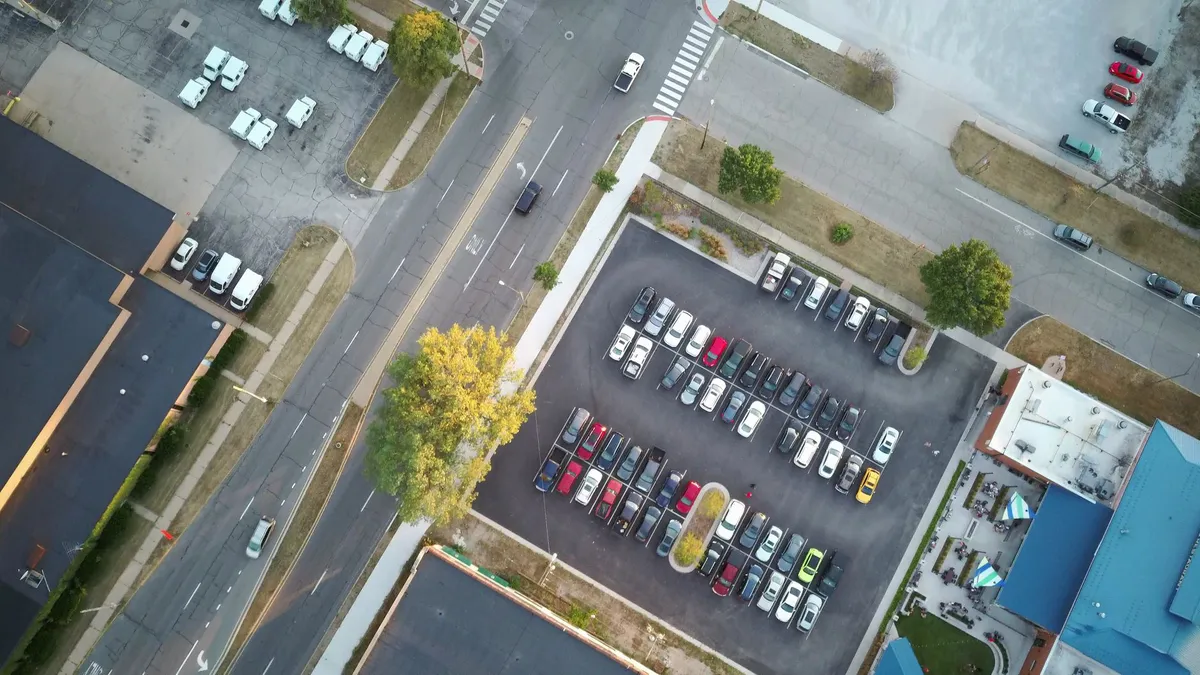
While you can’t control the actions of others, you can take steps to minimize the risk of your vehicle being damaged in the future. Here are some strategies to consider:
- Choose Parking Spots Wisely: Opt for spaces that are farther away from high-traffic areas and park your car within the painted lines to give other vehicles ample room.
- Utilize Curb Parking: Whenever possible, park next to a curb or a cart return to limit the number of adjacent parking spaces.
- Invest in a Dash Cam: A dash cam with parking mode can automatically start recording if it detects motion or impact to your vehicle, providing crucial evidence if an incident occurs.
No one anticipates returning to find their car damaged, but being prepared can ease the stress of navigating the situation. By understanding your insurance coverage, documenting the incident properly, and taking preventive measures, you can protect both your financial interests and your vehicle.
Key Takeaways
- Document the damage immediately and file a police report.
- Understand your insurance coverage options, particularly collision and UMPD.
- Weigh the cost of repairs against your deductible before filing a claim.
- Check for surveillance footage promptly to identify the responsible party.
- Take preventive steps to reduce the risk of future parking lot damage.
Frequently Asked Questions
What should I do if I find damage to my parked car?
First, do not move your car. Document the damage with photographs and look for any debris or paint transfer that might help identify the other vehicle. If possible, check for witnesses or surveillance cameras nearby, and contact the police to file a report. This documentation will be essential for any insurance claims you may need to file.
Will filing a claim for a hit-and-run increase my insurance premiums?
In many cases, filing a claim after a hit-and-run can lead to an increase in your insurance premiums, even if you weren't at fault. The extent of the increase depends on your insurer's policies, your claims history, and the state you live in. It's advisable to consult with your insurer to understand how filing a claim might impact your rates.
What if the other driver leaves a note with their information?
If you find a note left by the other driver with their contact and insurance information, you should contact their insurance company to initiate the claims process. Additionally, inform your own insurer so they can assist in coordinating with the at-fault driver's insurance for repairs.
How can I prevent future damage to my parked car?
To reduce the risk of your vehicle being damaged in parking lots, consider parking in areas that are less trafficked, utilizing curb spaces, and investing in a dash cam with parking mode. These strategies can help you minimize potential future incidents and protect your investment.

Comments
Decoding Medical Bills: Leverage AI for Clarity and Savings
Navigating the complexities of medical bills can be daunting, but AI technology offers a powerful tool for consumers. This guide explores how to use AI to audit your medical bills, identify potential errors, and save money.

Related articles


Popular in Personal Loans
- Hardee's Franchisee Files for Chapter 11 Amid Financial Turmoil
- The Hidden Costs of SUVs: Understanding the 'SUV Tax' and Its Impact on Your Wealth
- Spectrum's Workforce Changes Amid Customer Losses: What It Means for You
- How Immigration Policy Changes are Impacting Care Worker Shortages and Family Costs
- Unlocking Wealth: The Potential of Trump Accounts for American Families