Conquer Inflation Anxiety: Build Your Emergency Fund Today
With rising prices affecting American households, establishing an emergency fund is crucial for financial stability. Learn how to start small, automate your savings, and choose the right account to combat inflation stress.
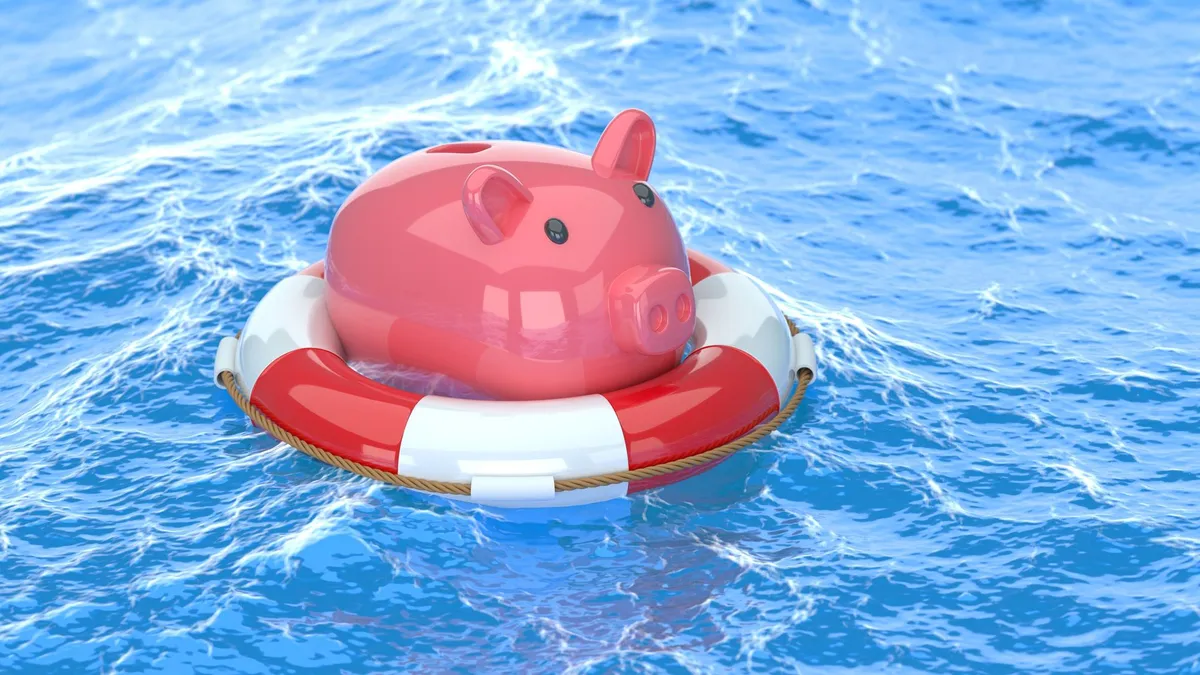
As inflation continues to impact household budgets across the United States, many Americans are feeling the financial strain. With the cost of everyday goods and services rising, unexpected expenses can create a significant burden, leading to increased anxiety about finances. In fact, a recent survey revealed that nearly 29% of Americans have more credit card debt than they have in savings, while almost one in four have no savings at all. This stark reality underscores the importance of establishing an emergency fund — a financial safety net that can provide peace of mind and help mitigate the stress of rising prices.
Building an emergency fund doesn't have to be daunting. By setting achievable savings goals and adopting smart financial habits, you can create a buffer that protects you from unexpected expenses. In this article, we will explore practical steps you can take to build your emergency fund and enhance your financial resilience in uncertain economic times.

The Importance of an Emergency Fund
An emergency fund serves as a financial cushion against unforeseen expenses such as medical bills, car repairs, or unexpected job loss. Having funds readily available can prevent you from resorting to high-interest credit cards or loans, which can lead to long-term debt. The peace of mind that comes from knowing you have money set aside can significantly reduce financial stress, allowing you to focus on other aspects of your life.
Understanding the Financial Landscape
With rising inflation rates, the purchasing power of the dollar is decreasing. This means that the same amount of money buys fewer goods and services than it did in the past. For instance, if inflation is at 5%, a $100 grocery bill last year would cost you $105 this year. As prices increase, the likelihood of unexpected expenses also rises. Thus, the need for an emergency fund becomes even more critical.
Starting Small: The First Step Towards Financial Security
One of the most common misconceptions about emergency funds is that you need to save a significant amount of money right away. In reality, every emergency fund begins with that first deposit. Here’s how you can get started:
- Set a Realistic Initial Goal: Start with a modest goal, such as saving $200 to cover minor emergencies.
- Gradually Increase Your Savings: Once you hit your initial goal, aim for $400, then $800, and so on until you reach a target of three to six months’ worth of expenses.
- Celebrate Small Wins: Acknowledge your achievements as you reach each savings milestone to stay motivated.
Even having a few hundred dollars saved can cover common expenses like a minor car repair or an unexpected medical bill. This initial goal can set the foundation for a robust emergency fund.

Automate Your Savings: A Set-It-and-Forget-It Approach
One effective strategy to build your emergency fund is to automate your savings. This method involves setting up automatic transfers from your checking account to your emergency savings account, ensuring that you save before you spend. Here’s how automation can work in your favor:
The Benefits of Automation
When you automate your savings, you are effectively prioritizing your financial security. Here are some benefits:
- Reduce Temptation: Automating your savings minimizes the temptation to spend money that should be saved.
- Consistency: Regular, automated contributions create a habit that can lead to significant savings over time.
- Less Stress: With money automatically transferred to savings, you can focus on your monthly expenses without worrying about setting aside money manually.
By treating your emergency fund as a non-negotiable expense, you can adapt your spending habits around your new savings goal.

Choosing the Right Account: High-Yield Savings vs. Traditional Accounts
While it’s essential to have your emergency fund in a liquid account, you can still earn interest on your savings. Traditional savings accounts often offer very low interest rates, typically ranging from 0.01% to 0.02%, while high-yield savings accounts can offer rates exceeding 4%, with some even surpassing 5%.
Advantages of High-Yield Savings Accounts
Here are some reasons to consider a high-yield savings account for your emergency fund:
- Higher Interest Earnings: Earning higher interest means your savings can grow faster. For example, if you deposit $10,000 in a high-yield account with a 5% interest rate, you could earn $500 in one year.
- Accessibility: Funds in high-yield savings accounts are generally available immediately without withdrawal penalties.
- Flexibility: If you experience a month where you cannot contribute to your emergency fund, your existing balance will continue to grow.
Choosing the right account helps ensure that your money works for you while maintaining the flexibility you need for emergencies.
Setting Achievable Goals: Breaking It Down
When it comes to building your emergency fund, setting clear and achievable goals is crucial. Instead of focusing solely on a long-term target, break your savings down into manageable chunks:
- Short-Term Goals: Aim to save $200 within the first month.
- Medium-Term Goals: Set a goal of an additional $400 in the following two months.
- Long-Term Goals: Work towards saving three to six months’ worth of expenses over the next year or two.
By breaking down your savings plan, you can create a sense of accomplishment that keeps you motivated and on track.
Key Takeaways
- Establishing an emergency fund is crucial for financial stability, especially during times of rising inflation.
- Start small and set realistic savings goals to build your fund over time.
- Automate your savings to prioritize financial security and reduce the temptation to spend.
- Consider high-yield savings accounts for better interest earnings on your emergency funds.
- Break your savings goals into smaller, manageable amounts to stay motivated.
Frequently Asked Questions
What is an emergency fund?
An emergency fund is a dedicated savings account designed to cover unexpected expenses, such as medical bills, car repairs, or job loss. It acts as a financial safety net, helping prevent individuals from relying on credit cards or loans during difficult times.
How much should I save in my emergency fund?
Financial experts generally recommend saving three to six months' worth of living expenses in your emergency fund. However, starting with smaller goals — such as $200 or $400 — can help you gradually build up your savings without feeling overwhelmed.
How can I make saving easier?
Automating your savings is one of the easiest ways to ensure consistent contributions to your emergency fund. By setting up automatic transfers from your checking account, you prioritize saving before spending, which can help you avoid the temptation to spend money that should be saved.
Where should I keep my emergency fund?
It’s best to keep your emergency fund in a liquid account that is easily accessible without withdrawal penalties. High-yield savings accounts or money market accounts are excellent options, as they typically offer higher interest rates than traditional savings accounts, allowing your funds to grow while remaining available for emergencies.
This content is educational and not financial advice.
Comments
Prenups 101: Avoiding Costly Mistakes Like Spielberg's Napkin Agreement
Steven Spielberg's infamous prenup, written on a napkin, serves as a cautionary tale for couples considering a prenuptial agreement. This article explores the five crucial rules that determine the validity of a prenup and how to ensure yours stands the test of time.

Related articles
Popular in Personal Loans
- Hardee's Franchisee Files for Chapter 11 Amid Financial Turmoil
- The Hidden Costs of SUVs: Understanding the 'SUV Tax' and Its Impact on Your Wealth
- Spectrum's Workforce Changes Amid Customer Losses: What It Means for You
- How Immigration Policy Changes are Impacting Care Worker Shortages and Family Costs
- Unlocking Wealth: The Potential of Trump Accounts for American Families