8 Practical DIY Strategies to Fireproof Your Home This Weekend
With the increasing frequency of wildfires, it's crucial to enhance your home's fire safety. Here are eight effective DIY strategies to fireproof your home this weekend, ensuring your family's safety and potentially lowering your insurance premiums.

As wildfires become an all-too-common threat in many parts of the United States, ensuring your home is fireproofed is more important than ever. The impacts of climate change are evident, with areas in California, Oregon, Washington, and even the Northeast experiencing unprecedented fire seasons. While large-scale measures like installing fire-resistant siding or roofing are crucial for those in high-risk zones, many homeowners can make immediate improvements. Here are eight practical and DIY-friendly strategies that you can implement this weekend to enhance your home’s fire safety.
Review Your Insurance Coverage
One of the first steps to safeguarding your home from fire-related disasters is understanding your insurance coverage. Most standard home insurance policies cover fire and smoke damage, but there are nuances that could leave you unprotected. For instance, if you live in a high-risk area, your policy might have exclusions for certain types of fire damage or may not cover fire damage at all.
Before a disaster strikes, take the time to review your policy. Look for any limitations on coverage and consider reaching out to your insurer for clarification. If your current policy does not provide adequate coverage, tools such as those offered by Bankrate can help you compare quotes from different providers to find a more comprehensive plan. Additionally, ensure your car insurance includes comprehensive coverage, as this protects against fire damage when your vehicle is not in use.

Install Mesh Screens in Vents and Openings
Embers can enter your home through surprisingly small openings. Installing wire mesh screens with holes no larger than 1/8 inch in your vents is a simple yet effective fireproofing measure recommended by the National Interagency Fire Center. This includes attic and eave vents, as well as HVAC ducts which can inadvertently allow fire to spread throughout your home.
Older, single-pane windows can also be a vulnerable entry point for flames and embers. Although replacing these windows with double-pane versions is ideal, adding mesh screens is a cost-effective interim solution. By taking these steps, you can significantly delay the spread of fire within your home, providing precious time for evacuation.
Close Your Fireplace Flue When Not in Use
Your fireplace chimney can also serve as an entry point for flames. It’s essential to close the flue when the fireplace isn’t in use. While it might be tempting to leave it open year-round for convenience, doing so can expose your home to unnecessary risks. To help remember to open and close the flue, set reminders on your phone for the start and end of the fireplace season. This small act can make a big difference in your fire safety.

Firescape Your Yard
Many homeowners are unaware that their landscaping practices can significantly impact fire safety. Traditional landscaping elements, like wood mulch and certain types of ornamental grasses, can act as fuel in the event of a wildfire. Here are some tips to make your yard more fire-resistant:
- Avoid using flammable mulch within five feet of your home; opt for gravel or hardscaping instead.
- Store larger woodpiles and propane tanks at least 30 feet away from your home.
- Choose fire-resistant plants that are native to your area and less likely to ignite.
- Regularly prune tree branches to a height of 15 feet to prevent fire from climbing into the canopy.
- Remove any disused structures, like old sheds, that could act as fuel.
Implementing these practices can help protect your home from potential wildfires and help it withstand flame exposure.
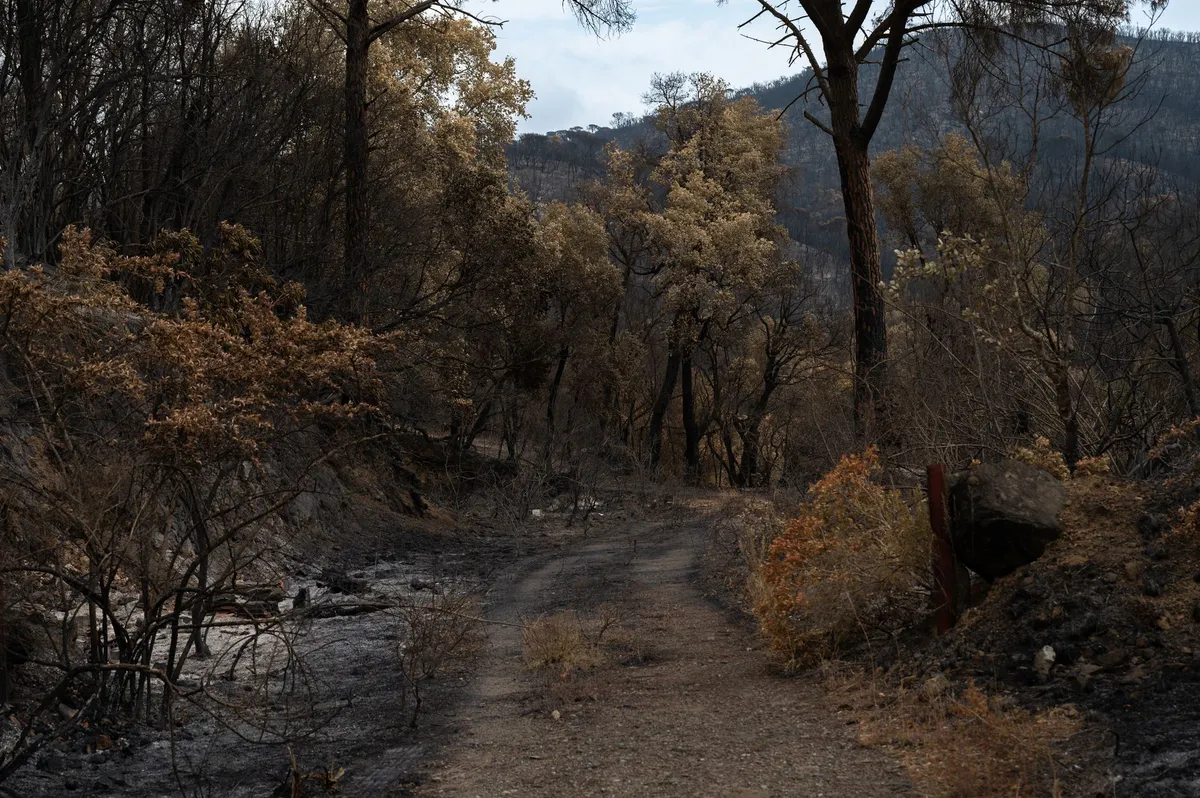
Clear Debris from Your Roof and Yard
Regular maintenance is crucial for fire safety. Accumulated debris, such as leaves and branches, can ignite and spread fire to your home. Make it a habit to clear your roof and gutters of debris and regularly rake up plant materials around your property. Compost or mulch the collected debris to reduce fire risk and contribute to your yard's health.
Seal Gaps and Cracks
Just as weatherstripping is essential for insulation, it’s equally important for fireproofing. Gaps and cracks around your home can allow flames to enter during a fire. Inspect the exterior of your home, including doors, windows, and siding, for any vulnerabilities. Use weatherstripping or caulk to seal these openings effectively. Don’t forget about your garage door, as this area is often overlooked yet can be a significant entry point for flames.
Add Battery Back-Up Systems
Power outages often accompany wildfires, which can hinder your ability to evacuate quickly. Installing a battery backup for your garage door opener ensures you can exit swiftly in an emergency. Similarly, if you have a sprinkler system, a battery backup can ensure it functions even during power outages, providing critical protection to your yard during a fire.
Move Flammable Objects Away from Your Home
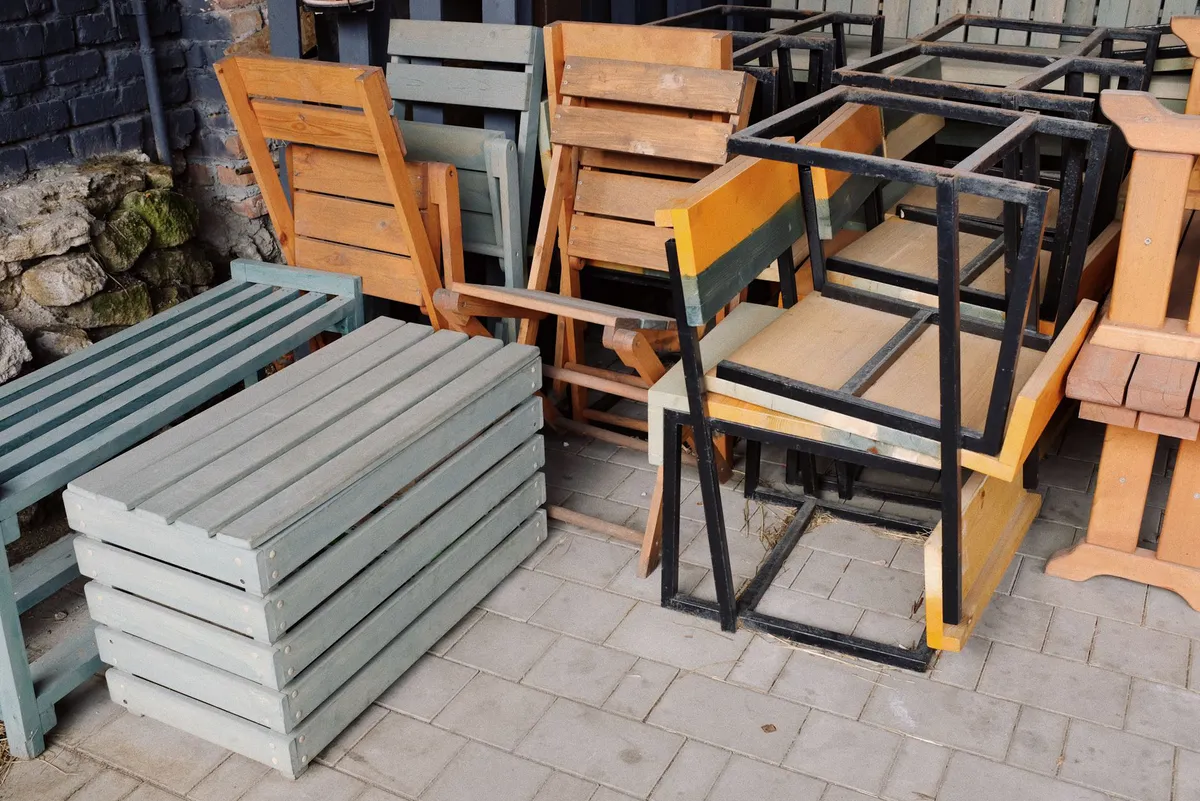
Small flammable objects like wood planters, patio furniture, and grills can significantly increase your home’s vulnerability in a fire. Store these items at least five feet away from your house. If you can’t move them permanently, consider temporarily relocating them during high fire weather. This simple step can drastically reduce the risk of your home igniting in the event of a nearby fire.
Key Takeaways
- Review your home insurance coverage to ensure it adequately protects against fire damage.
- Install mesh screens in vents to prevent embers from entering your home.
- Regularly clear debris from your yard and roof to minimize fire hazards.
- Seal gaps and cracks around your home to prevent flames from entering.
- Store flammable objects at least five feet away from your house.
Frequently Asked Questions
How can I tell if my home is in a high-risk fire zone?
To determine if your home is in a high-risk fire zone, check with your local fire department or state forestry office. Many regions provide maps that indicate fire hazard areas, along with guidelines for fire safety specific to those regions. Additionally, several online resources and insurance companies offer tools to assess your risk based on your geographic location.
What should I do if my insurance policy excludes fire coverage?
If your policy excludes fire coverage or does not provide adequate protection, it’s crucial to shop around for alternatives. Look for comprehensive home insurance policies that include fire damage coverage. Use online comparison tools to evaluate different options and find a policy that meets your needs and budget. Make sure to discuss your concerns with potential insurers to understand their coverage thoroughly.
Are there any financial benefits to fireproofing my home?
Yes, implementing fireproofing measures can lead to potential savings on your insurance premiums. Many insurance companies offer discounts for homeowners who take proactive steps to enhance their home's fire safety. Additionally, investing in fire-resistant upgrades can increase your property value and provide peace of mind, knowing that your home is better protected against fire damage.
What types of plants are considered fire-resistant?
Fire-resistant plants are those that are less likely to ignite and contribute to the spread of fire. These plants often have high moisture content, are less resinous, and may have a lower growth habit. Research native plant species for your area that are known for their fire-resistant qualities, or consult local horticultural experts for recommendations. Popular choices include lavender, sage, and certain types of ornamental grasses.
This content is educational and not financial advice.
Comments
Embracing 'Moneymaxxing': A Cultural Shift in Personal Finance
As Americans grapple with rising costs and increasing debt, 'Moneymaxxing' offers a fresh approach to financial wellness that emphasizes budget optimization and resourcefulness. This movement encourages individuals to rethink their spending habits and harness available tools for long-term financial health.

Related articles


Popular in Personal Loans
- Hardee's Franchisee Files for Chapter 11 Amid Financial Turmoil
- The Hidden Costs of SUVs: Understanding the 'SUV Tax' and Its Impact on Your Wealth
- Spectrum's Workforce Changes Amid Customer Losses: What It Means for You
- How Immigration Policy Changes are Impacting Care Worker Shortages and Family Costs
- Unlocking Wealth: The Potential of Trump Accounts for American Families