Understanding Prediction Markets: A New Frontier in Betting and Investing
As prediction markets gain traction, they're attracting a broader demographic. Here’s what you need to know about their operation, risks, and the legal landscape.
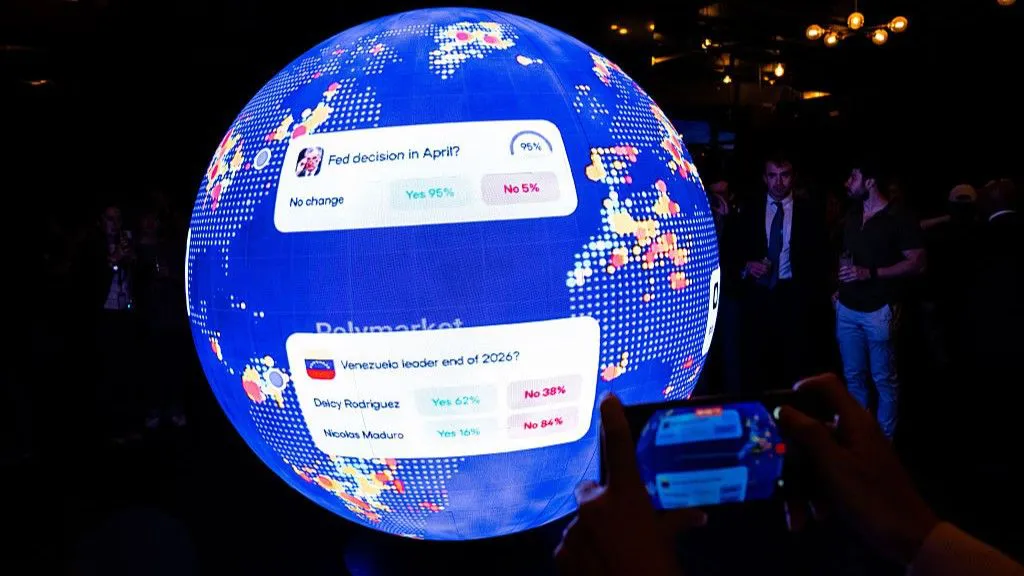
Imagine being able to wager on the outcome of your favorite sporting event, political election, or even an Oscar winner—all from the comfort of your home. This is now a reality thanks to the rise of prediction markets, innovative platforms that allow users to bet on the likelihood of various future events. With an expected trading volume of $240 billion this year and projections reaching $1 trillion by 2030, these markets are rapidly expanding beyond their traditional user base. However, as they target older, more affluent audiences, it is crucial to understand how they work, the risks involved, and their legal standing.
Prediction markets are gaining popularity not just among younger demographics but also among older Americans who are increasingly seeking new avenues for investment and entertainment. This shift prompts important questions about how these platforms operate, their implications for personal finance, and what potential users should consider before diving in.
The Mechanics of Prediction Markets
At their core, prediction markets allow users to buy and sell contracts that reflect the probability of a specific event occurring. These platforms operate similarly to stock exchanges, where the market sets the prices based on supply and demand. Users can wager on outcomes by purchasing contracts that typically cost between 1 cent to 99 cents, depending on how likely the market believes an event will happen.
How Contracts Work
Most contracts are designed as simple yes-or-no propositions, offering a fixed payout of $1 if the event occurs. For example, if you believe it will rain tomorrow, you might buy a contract at a 20-cent price for a 'yes' outcome. If it rains, you would earn an 80-cent profit. Conversely, if you wager against rain and it pours, you would lose your initial investment.
- Platforms like Kalshi and Polymarket: These freestanding platforms allow for direct trading of prediction contracts.
- Brokerage Integration: Some online brokerages and crypto applications, such as Robinhood and Coinbase, incorporate prediction markets within their platforms.
- Market-Driven Pricing: Unlike traditional gambling, there’s no house setting the odds; prices are determined by user actions.

The Target Demographic: Expanding Horizons
Historically, the primary users of prediction markets have been younger males, but companies are now pivoting to attract older demographics, who have more disposable income. Data from Truist Securities indicates that older Americans currently represent less than 7% of traffic to these platforms. To entice this group, companies are marketing their offerings as federally regulated investments rather than mere gambling.
Legal Landscape
Prediction markets exist in a murky legal environment. They are classified as derivatives and regulated by the federal Commodity Futures Trading Commission (CFTC). However, several states are grappling with legislation to either regulate or ban these markets, arguing that they function similarly to sports betting. This ongoing legal debate creates confusion among users, many of whom are uncertain about the rules governing their activities.
The Risks and Rewards of Participation
While the allure of prediction markets lies in their potential for profit, participants must navigate various risks. One of the primary attractions is the belief that personal expertise in certain areas can yield a competitive edge. However, this perception can be misleading.
Understanding Market Dynamics
Participants are not merely betting against fellow amateurs; they are often up against sophisticated institutional investors with access to information that the average user does not. Furthermore, manipulation of prediction markets is a concern, with incidents of insider trading reported. For instance, a soldier was charged with using classified information to make profitable bets on Polymarket.
Despite these risks, many users remain optimistic. According to a Truist report, over half of prediction market users prefer event contracts to sports betting, citing better odds. However, the reality is that many do not come out ahead. More than 100,000 accounts on Polymarket have lost at least $1,000, while only half that number have achieved similar winnings. Research indicates that around 70% of Polymarket accounts have lost money since 2022.

Setting Limits: A Responsible Approach
If you’re interested in exploring prediction markets, experts recommend setting strict limits on your betting activities. Here are a few strategies to consider:
- Establish a Budget: Determine how much of your disposable income you are willing to allocate to these markets and stick to that amount.
- Avoid Using Savings: Treat your bets as entertainment expenses, similar to dining out or going to the movies, rather than as an investment strategy.
- Educate Yourself: Familiarize yourself with the mechanics of prediction markets and stay informed about any legal changes that could affect your participation.
Financial experts, including Richard Warr, a professor of finance at NC State University, emphasize that while prediction markets can provide entertainment, they should not be viewed as viable investment options. For those serious about building wealth, it is advisable to seek guidance from a financial professional who can help develop a more robust investment strategy based on individual goals and risk tolerance.

Key Takeaways
- Prediction markets allow users to wager on future events, but they operate differently from traditional gambling.
- These platforms are increasingly targeting older audiences, looking to expand their user base.
- Legal uncertainties surround prediction markets, with various states considering regulations or bans.
- Risks include potential losses and competition against institutional investors with better information.
- Set clear limits and treat betting on prediction markets as a recreational activity, not an investment.
Frequently Asked Questions
What exactly are prediction markets?
Prediction markets are platforms where users can buy and sell contracts that reflect the probability of specific future events. They function similarly to stock markets, with prices driven by user demand rather than a house or bookmaker setting odds. These markets allow individuals to wager on a wide array of topics, from politics to entertainment.
Are prediction markets legal?
The legal status of prediction markets varies across the United States. They are regulated as derivatives by the Commodity Futures Trading Commission (CFTC), but some states are seeking to impose additional regulations or outright bans. This creates a complex legal landscape that users must navigate carefully.
What risks should I be aware of before participating?
Participants in prediction markets face several risks, including potential financial losses and competition against institutional investors who may have insider information. Additionally, there are concerns about market manipulation and the psychological effects of betting on outcomes. It’s essential to approach these markets with caution and to set personal limits on betting amounts.
How can I responsibly engage in prediction markets?
To engage responsibly, it is recommended to establish a clear budget for how much you are willing to wager, treat these bets as entertainment expenses rather than investment opportunities, and stay informed about the market dynamics and legal changes that may impact your bets.
Disclaimer: This content is educational, not financial advice.
Comments
Avoiding Common Money Mistakes for Financial Freedom
Financial success hinges on smart habits, not just investments. Learn the five common money mistakes that can derail your financial goals and how to sidestep them.

Related articles




Popular in Personal Loans
- Hardee's Franchisee Files for Chapter 11 Amid Financial Turmoil
- The Hidden Costs of SUVs: Understanding the 'SUV Tax' and Its Impact on Your Wealth
- Spectrum's Workforce Changes Amid Customer Losses: What It Means for You
- How Immigration Policy Changes are Impacting Care Worker Shortages and Family Costs
- Unlocking Wealth: The Potential of Trump Accounts for American Families