Freight Sector Cuts: Over 7,000 Jobs Lost amid Industry Restructuring
A wave of layoffs across major freight and distribution companies has resulted in over 7,000 job losses, signaling significant shifts in the industry. Major players like Tyson Foods and FedEx are among those announcing workforce reductions as they navigate economic challenges.

The freight and logistics sector is undergoing a seismic shift, as more than 7,000 jobs have been cut due to a wave of layoffs and facility closures. This trend is not isolated to a single company; rather, it reflects a broader restructuring within the industry, affecting major players like Tyson Foods, FedEx, and Ryder. The ramifications of these reductions extend beyond the immediate loss of jobs, highlighting the vulnerabilities within the supply chain and the changing landscape of freight operations.
In the wake of historic economic pressures—ranging from supply chain disruptions to shifts in consumer demand—companies are reevaluating their operational strategies. The latest cuts signal a critical juncture for the freight sector, as it grapples with the realities of a fluctuating market.
Major Companies Announcing Layoffs
The layoffs are widespread, affecting a diverse array of companies involved in freight, distribution, and manufacturing. Among the most significant announcements:
- Tyson Foods: The food giant is cutting over 3,000 jobs as it closes facilities in Joslin, Illinois, and Eagle Mountain, Utah, due to a historic cattle shortage. This move is part of a strategic shift to consolidate beef operations in Nebraska, Kansas, and Texas.
- Essendant: Facing financial strain, this wholesale distributor announced layoffs affecting 1,278 employees across six states, warning of potential liquidation if capital cannot be secured.
- FedEx: The parcel carrier is eliminating 173 positions across three Southern California locations as part of its ongoing Network 2.0 restructuring.
- Ryder: A logistics provider, Ryder is closing operations in Fayetteville, North Carolina, leading to 73 layoffs as it transitions operations to another provider.
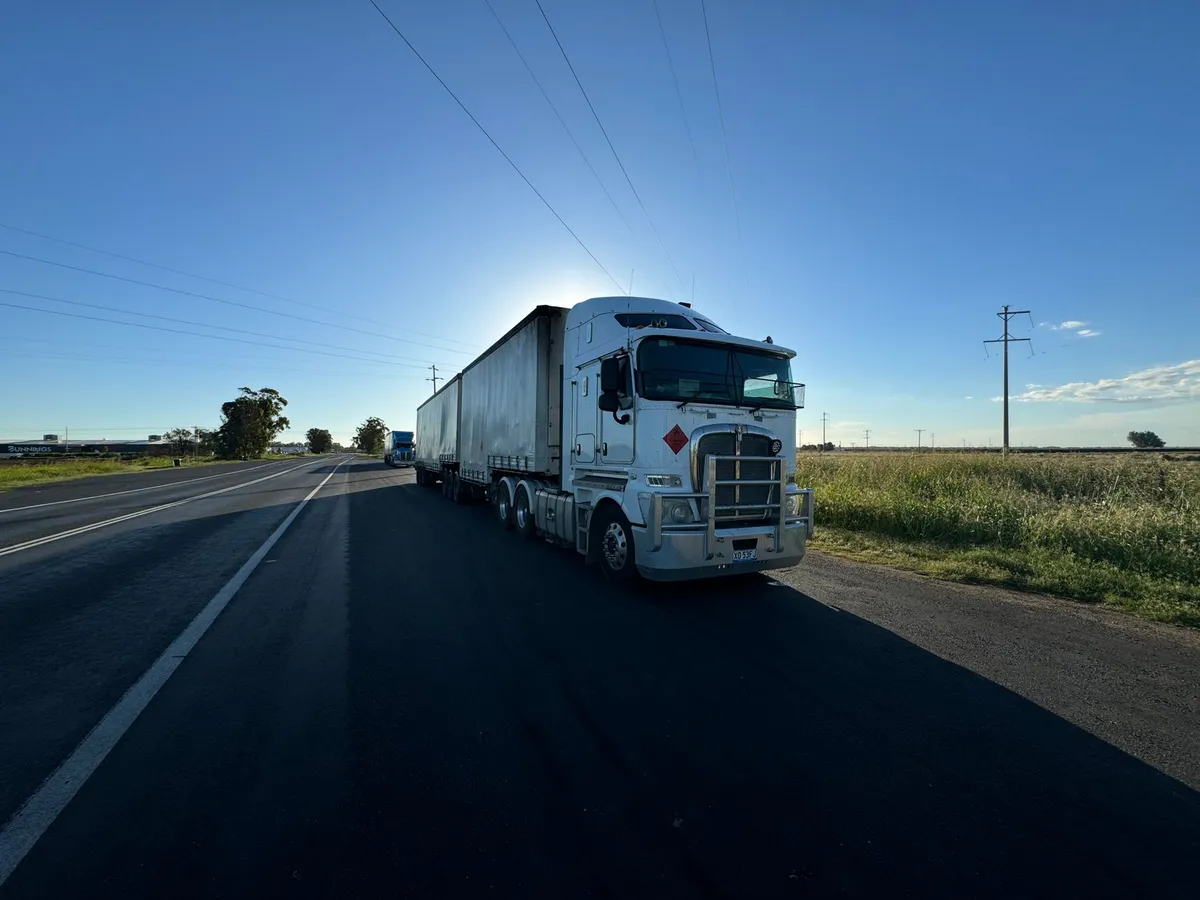
The Broader Impact of Layoffs in Freight and Logistics
The cuts represent a significant shift in the freight and logistics landscape, with over 7,000 jobs lost across various companies. The implications of these layoffs extend beyond the immediate job losses:
1. Economic Ripple Effects
The loss of employment in the freight sector can have cascading effects throughout the economy. Workers impacted by layoffs may reduce their spending, which in turn affects local businesses and communities. This contraction in consumer spending can lead to further job losses in other sectors.
2. Shifts in Supply Chain Dynamics
Facility closures and workforce reductions can reshape freight volumes and trucking routes. When major companies like FedEx and Ryder consolidate operations, it can lead to increased freight capacity at remaining locations but may also cause disruptions and delays as systems adjust to the changes.
3. Industry Consolidation
The current wave of layoffs may signal a trend toward consolidation within the freight industry. As companies like Essendant struggle to secure financing, the possibility of mergers or acquisitions could arise, further transforming the competitive landscape.
Financial Pressures and Bankruptcy Trends
Many of the companies announcing cuts are facing severe financial pressures. The situation is particularly dire for businesses like West Marine, which is going through Chapter 11 bankruptcy restructuring. Here’s a closer look at some factors contributing to these financial challenges:
- Market Disruptions: Companies are grappling with ongoing market disruptions, including rising costs and shifting consumer behavior, which have drastically altered demand patterns.
- Capital Constraints: Companies like Essendant are struggling to secure necessary capital, leading to sweeping layoffs as they attempt to stabilize their operations or seek buyers.
- Operational Consolidation: As companies integrate operations, they often find themselves with excess capacity and workforce, prompting layoffs.
Sector-Specific Layoff Examples
Here’s a snapshot of some of the notable layoffs occurring within various sectors of the freight and logistics industry:
- Postal Center International: 457 positions cut across Florida, Texas, and Massachusetts.
- CJ Logistics America: 57 employees affected due to changing business needs at a warehouse in Pennsylvania.
- Daimler Truck: Moving truck manufacturing from Portland to the Carolinas, affecting about 375 workers.

What This Means for Future Employment in Freight and Logistics
The future of employment in the freight and logistics sector looks uncertain. With layoffs on the rise, job seekers may face a challenging landscape. However, there are still opportunities in specialized and high-demand areas:
1. Growing Demand for E-commerce Logistics
As e-commerce continues to grow, there is an increasing need for logistics and fulfillment services. Companies that can adapt to this shift may find themselves hiring in the near future.
2. Technological Advancements
Advancements in technology, such as automation and AI, are transforming the industry. While some jobs may be lost to automation, new roles will emerge that focus on managing and implementing these technologies.
3. Skills Development and Training
Workers affected by layoffs may benefit from reskilling and upskilling programs that can prepare them for roles in emerging sectors within the logistics and transportation industries.
Key Takeaways
- Over 7,000 jobs have been lost in the freight and logistics sector due to widespread layoffs.
- Major companies, including Tyson Foods and FedEx, are restructuring operations amid economic pressures.
- The layoffs signify a potential shift toward consolidation and changing dynamics in the supply chain.
- Financial struggles among companies are leading to increased bankruptcy filings and operational cutbacks.
- Despite current challenges, opportunities exist in e-commerce logistics and technology-driven roles.
Frequently Asked Questions
What factors are driving the layoffs in the freight sector?
The layoffs in the freight sector are primarily driven by a combination of economic pressures, market disruptions, and restructuring efforts aimed at improving operational efficiencies. Companies are consolidating operations and reducing workforce numbers to adapt to changing market conditions, which have been exacerbated by supply chain challenges and fluctuating consumer demands.
How can affected workers find new employment opportunities?
Affected workers should consider exploring job openings in growing sectors, such as e-commerce logistics, where demand for fulfillment and delivery services is high. Additionally, reskilling and upskilling programs can help workers prepare for new roles in technology-driven areas of the logistics industry. Networking and leveraging online job platforms can also enhance their chances of finding new employment.
What does this mean for the future of the freight industry?
The current wave of layoffs suggests a potential transformation within the freight industry, with increased consolidation and a shift in operational strategies. Companies will likely need to adapt to new technologies and changing consumer behaviors to remain competitive. While the immediate impact may be challenging, it could also lead to a more streamlined and efficient industry in the long term.
Are there any signs of recovery in the freight sector?
While the freight sector faces significant challenges, there are signs of recovery in certain areas, particularly in e-commerce logistics and technology implementation. As businesses adjust to new consumer demands and invest in automation, there may be opportunities for growth. However, the timeline for recovery remains uncertain, and companies will need to navigate ongoing economic pressures.
Disclaimer: The content is educational, not financial advice.
Comments
Popular in Personal Loans
- Hardee's Franchisee Files for Chapter 11 Amid Financial Turmoil
- The Hidden Costs of SUVs: Understanding the 'SUV Tax' and Its Impact on Your Wealth
- Spectrum's Workforce Changes Amid Customer Losses: What It Means for You
- How Immigration Policy Changes are Impacting Care Worker Shortages and Family Costs
- Unlocking Wealth: The Potential of Trump Accounts for American Families