Navigating Private Student Loans: A Comprehensive 5-Step Guide
As families face rising tuition costs, many are turning to private student loans. Before signing on the dotted line, follow this essential checklist to ensure you make informed decisions.
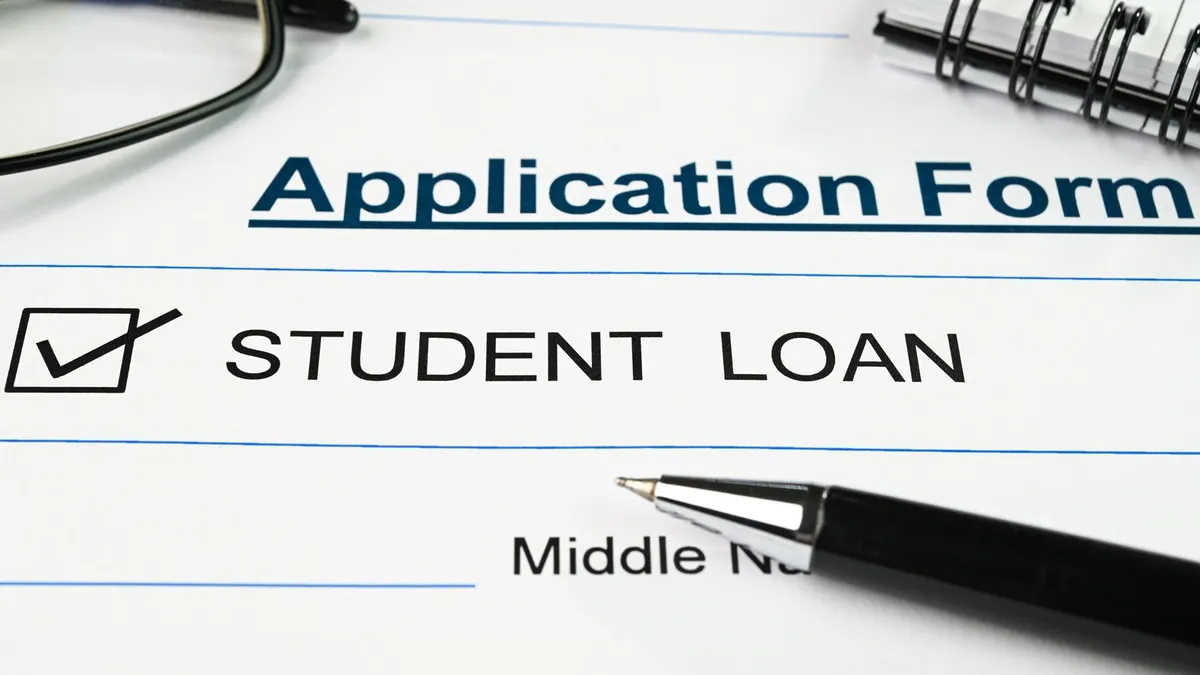
The arrival of fall tuition bills often signals a time of stress for many families. With rising costs and new federal borrowing caps, many students are finding it necessary to turn to private student loans to fill the funding gap. However, rushing into a private loan can lead to long-term financial consequences. Before you sign any agreements, take a moment to navigate the crucial steps that can help you secure the best loan for your needs.
Recent changes in federal borrowing policies have left many families scrambling. The new federal caps on Parent PLUS loans, which now limit borrowing to $20,000 per year and $65,000 over a student's lifetime, mean that federal aid is not as readily available as it once was. With private lending already constituting about $140 billion of the student debt market, families' reliance on private loans is expected to spike. It's critical to ensure that your decision is well-informed rather than a rushed reaction to financial pressures.
Step 1: Exhaust Federal Aid Options First
Before considering any private loans, the first step in your financial planning should be to confirm that you've utilized all available federal student aid options. Federal loans come with significant protections that private loans typically lack, including:
- Income-driven repayment plans: These allow borrowers to pay based on their income, making payments more manageable.
- Loan forgiveness programs: Some federal loans may be forgiven after a certain number of payments or under specific conditions.
- Deferment options: Federal loans often allow borrowers to pause payments without penalty under certain circumstances.
Make sure the student has accepted their full federal loan amounts before moving on to private options. This ensures you are not missing out on more affordable, safer funding sources.

Step 2: Determine the Actual Funding Gap
Once you've confirmed the use of federal loans, the next step is to accurately assess how much you truly need to borrow. Borrowing more than necessary can lead to years of avoidable interest payments. Here’s how to evaluate your funding gap:
1. Calculate Total Costs
Start by calculating the total cost of attendance, which includes tuition, fees, room and board, and other expenses like books and supplies.
2. Subtract Available Aid
Next, subtract any scholarships, grants, and federal loans you have secured. The remaining amount is your potential funding gap.
3. Borrow Only What You Need
It’s crucial to borrow only the exact amount needed to cover the gap. Avoid the temptation to round up for a 'cushion,' as this extra amount will accrue interest and increase your debt burden unnecessarily.
Step 3: Choose the Right Loan Type
When it comes to private loans, understanding the differences between fixed and variable interest rates is key. While variable rates might appear lower initially, they can rise significantly over time, leading to unexpected financial strain. Here’s what you should consider:
- Fixed Rate Loans: These loans lock in your interest rate, providing payment stability for the life of the loan.
- Variable Rate Loans: Although these may start at a lower rate, they can fluctuate based on market conditions, leading to higher payments in the future.
For long-term financing, especially for a loan that may take years to repay, a fixed rate is generally the safer and more reliable option.

Step 4: Understand Co-signing Responsibilities
Most students will require a co-signer to secure a private loan. However, many co-signers do not fully understand the implications of their commitment. When you co-sign a loan, you're not merely backing the student; you're equally responsible for the debt. Here are some important points to consider:
- Credit Impact: The loan will appear on your credit report, and any missed payments will negatively affect your credit score.
- Co-signer Release Options: Some lenders offer a co-signer release option after a certain number of on-time payments. This can be a crucial feature to look for when evaluating loan offers.
Step 5: Compare Loan Offers Thoroughly
After considering the previous steps, it’s time to shop around for the best loan options. Comparing offers from multiple lenders can save you significant amounts of money over the life of the loan. When comparing loans, consider:
- Interest Rates: Look for competitive rates, but also consider whether they are fixed or variable.
- Fees: Pay attention to any application, origination, or other fees that might increase your overall costs.
- Repayment Terms: Understand the repayment terms and whether there are options for deferment or forbearance in case of financial hardship.
Reading the fine print and understanding the terms of each offer can help you avoid pitfalls that could lead to financial distress in the future.

Key Takeaways
- Confirm you’ve used all federal aid options before considering private loans.
- Accurately assess the funding gap and borrow only what you need.
- Opt for a fixed rate unless you have a solid plan to repay quickly.
- Understand the implications of co-signing a loan.
- Compare multiple lenders for the best rates and terms.
Frequently Asked Questions
What are the main differences between federal and private student loans?
Federal student loans typically offer more favorable terms, such as income-driven repayment options and loan forgiveness programs, which are often not available with private loans. Additionally, federal loans do not require a co-signer, making them more accessible for many students.
How can I improve my chances of getting a private loan?
Having a strong credit history can significantly improve your chances of securing a private loan. If your credit is lacking, consider having a co-signer with good credit to help you qualify. Additionally, demonstrating stable income or employment can also bolster your application.
What should I do if I can’t afford my loan payments?
If you find yourself struggling to make payments, contact your lender as soon as possible. Many lenders offer deferment or forbearance options that can temporarily relieve financial pressure. However, it's important to understand that interest may continue to accrue during these periods.
Is it worth it to take out a private loan?
Taking out a private loan can be a reasonable option for families with strong credit that need to cover a funding gap. However, it is essential to weigh the potential drawbacks, such as the loss of federal protections, before proceeding. Make sure you understand what you're giving up in terms of flexibility and safety.
Disclaimer: This article is for educational purposes only and does not constitute financial advice.
Comments
Meta Faces Legal Reckoning Over Teen Addiction Allegations
Meta Platforms is in the spotlight as 29 states challenge the company's practices related to teen addiction on its platforms. A potential mid-trial settlement could reshape the future of social media regulations.

Related articles


Popular in Personal Loans
- Hardee's Franchisee Files for Chapter 11 Amid Financial Turmoil
- The Hidden Costs of SUVs: Understanding the 'SUV Tax' and Its Impact on Your Wealth
- Spectrum's Workforce Changes Amid Customer Losses: What It Means for You
- How Immigration Policy Changes are Impacting Care Worker Shortages and Family Costs
- Unlocking Wealth: The Potential of Trump Accounts for American Families