Cognitive Decline in Retirement: Beyond Financial Planning
As retirement approaches, many focus on financial security, but cognitive health often gets overlooked. This article explores the risks of cognitive decline post-retirement and offers strategies to keep the mind engaged.
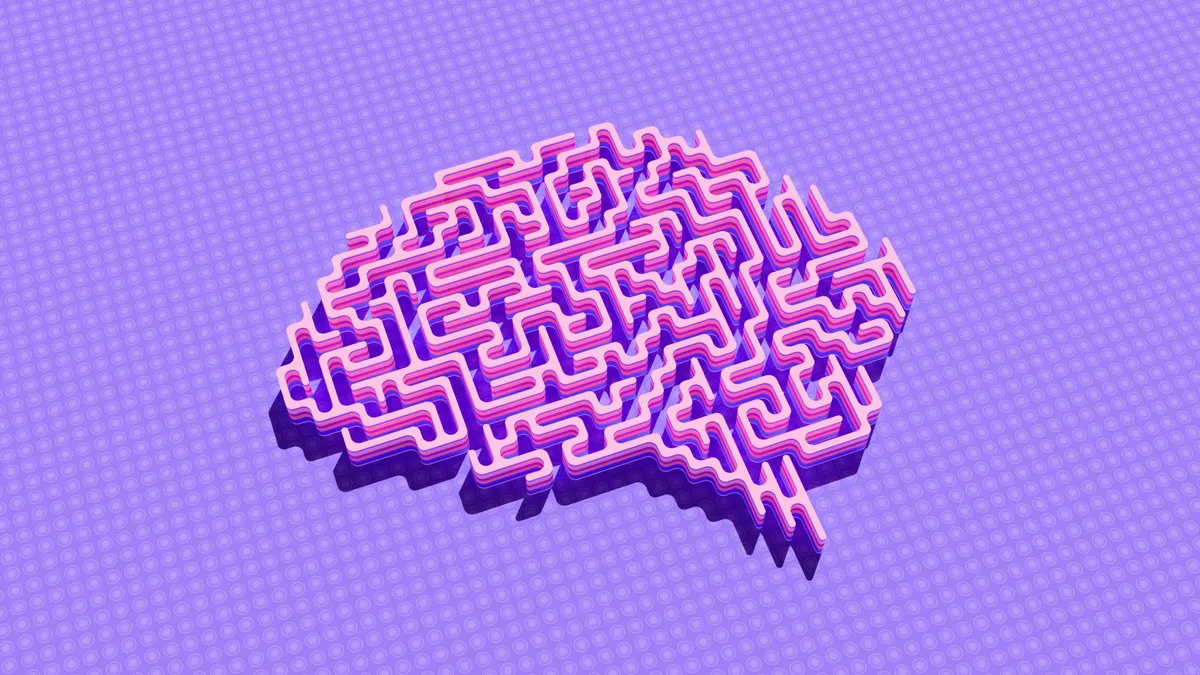
When we think of retirement planning, the conversation often revolves around financial security—analyzing savings, investments, and withdrawal strategies to ensure we don't outlive our money. However, a growing body of research suggests that another critical aspect is often overlooked: the cognitive risks associated with retirement. As we transition from the structured demands of a career to a more leisurely lifestyle, we may inadvertently expose ourselves to cognitive decline. This article delves into the concept of a 'cognitive portfolio' and offers insights into how to keep our minds sharp during retirement.
The Cognitive Decline Risk
A recent systematic review published in the Health Psychology Review highlights a troubling reality: retirement can lead to measurable cognitive decline. This phenomenon, termed the 'mental retirement hypothesis,' posits that when the structured cognitive demands of work disappear, so does our brain's engagement with challenging tasks. The brain, much like a muscle, requires regular exercise to remain strong and functional.
Margaret, a retired professor of developmental psychology, exemplifies this risk. After 41 years in a mentally demanding role, she found herself facing an unexpected decline in her cognitive abilities just months after retirement. Her experience underscores an important truth: even individuals who understand the science of cognitive aging may struggle to apply this knowledge in their own lives.

Understanding Cognitive Engagement
Workplaces inherently provide a framework of cognitive stimulation that many retirees fail to replicate. Daily challenges—whether meeting deadlines, solving problems, or engaging in dynamic discussions—keep the brain active. When this stimulation ceases, the brain's engagement drops significantly, leading to potential cognitive decline.
What Happens When You Retire?
Retirement often brings a significant reduction in cognitive challenges, particularly for those who held high-complexity jobs such as executives, physicians, or academics. The abrupt shift from a demanding professional life to a quieter home life can result in:
- Reduced cognitive stimulation: The absence of daily challenges leads to a decline in mental sharpness.
- Social isolation: Many retirees may find themselves less socially engaged, which is crucial for cognitive health.
- Loss of purpose: Without the structured demands of a job, many retirees struggle to find meaningful ways to keep their minds active.
Reimagining Cognitive Engagement
To combat cognitive decline, it's essential to rethink how we engage our minds post-retirement. Traditional activities like crossword puzzles and brain-training apps, while beneficial, are often insufficient. Research indicates that true cognitive growth comes from:
- Novel Learning: Engaging in new activities or learning new skills promotes cognitive resilience. This could involve picking up a new language, learning to play a musical instrument, or even taking up a new hobby that challenges the brain.
- Social Complexity: Maintaining relationships that require genuine interaction, accountability, and emotional engagement is more beneficial than surface-level socializing. Joining clubs, volunteering, or participating in group activities can provide this vital engagement.
- Purposeful Challenge: Setting goals that carry real consequences and require sustained effort can stimulate the brain effectively. This could include mentoring younger professionals, teaching courses, or working on community projects.
Building Your Cognitive Portfolio
Just as a financial portfolio requires diversification and active management, so too does our cognitive portfolio. It’s essential to proactively cultivate a mix of activities that promote cognitive health. Here are three non-negotiables to include:
1. Pursue Novelty
Choose activities that genuinely challenge your brain. For instance, if you've always been interested in woodworking, taking a class on advanced techniques could stimulate your mind far more than revisiting familiar tasks.
2. Engage Socially
Form or join groups that foster deep conversations and shared goals. Whether it’s a book club, a community board, or a volunteer organization, these interactions can provide the social complexity your brain craves.
3. Set Purposeful Goals
Identify objectives that require cognitive effort and have meaningful outcomes. This could be organizing a charity event, writing a book, or leading a community workshop. The key is to find something that not only interests you but also challenges you to think critically.

The Importance of Intellect in Retirement
Intellectual stimulation is crucial for a fulfilling retirement, and contrary to common belief, it should not be viewed as a supplementary aspect of retirement planning. The risk of cognitive decline is significant, and addressing it proactively can enhance the overall quality of life in retirement.
Margaret's example illustrates that having knowledge about cognitive health is not enough; it must be actively integrated into one’s daily life. By deliberately managing her cognitive portfolio, she was able to stave off decline and maintain her mental acuity.

Key Takeaways
- Cognitive decline is a significant risk in retirement: The absence of daily challenges can lead to measurable decreases in mental sharpness.
- Workplace engagement provides vital stimulation: The structured tasks of a career keep the brain engaged, and their absence can lead to decline.
- Active management of your cognitive portfolio is essential: Engage in new learning, maintain meaningful social relationships, and set purposeful goals.
- Intellectual stimulation is foundational: It is one of the five pillars of a fulfilling retirement, and it should be prioritized.
Frequently Asked Questions
What is the mental retirement hypothesis?
The mental retirement hypothesis suggests that when individuals retire, they experience a decline in cognitive function due to the absence of structured cognitive demands that were present in their careers. This decline is not only associated with aging but is also linked to the reduced complexity of daily tasks and challenges that were once a part of their professional lives.
How can I prevent cognitive decline in retirement?
To prevent cognitive decline in retirement, it's essential to engage in activities that provide mental stimulation. This includes learning new skills, pursuing hobbies that require problem-solving, maintaining social connections that involve meaningful interactions, and setting personal goals that demand cognitive effort.
Are brain-training games effective for cognitive health?
While brain-training games can help maintain certain cognitive skills, research indicates that they are not enough on their own. True cognitive growth comes from engaging in novel tasks that challenge the brain in new ways, such as learning new skills or solving complex problems rather than just practicing familiar tasks.
What are the five pillars of a fulfilling retirement?
The five pillars of a fulfilling retirement typically include financial security, intellectual stimulation, social engagement, physical health, and a sense of purpose. Among these, intellectual stimulation is crucial for maintaining cognitive health and should be actively pursued to prevent decline.
Comments
Navigating Medicare's Coverage Gaps: The Hidden Costs of Custodial Care
Medicare provides coverage for skilled nursing services but leaves many families to shoulder the financial burden of custodial care. Understanding these gaps can help you better prepare for aging loved ones.

Related articles



Popular in Retirement
- Understanding Trump Accounts: A New Investment Opportunity for Kids
- The Impending Crisis: Social Security Reform and Its Economic Ripple Effects
- Navigating Long-Term Care Insurance: Flexible Alternatives for a Secure Future
- Balancing AI and Employee Loyalty: A Guide for Small Business Owners
- Navigating Retirement: Overcoming Doubts and Embracing Change