Opportunity Zone 2.0: What Investors Need to Know for the 2027-2036 Designation
Governors have a limited 90-day window to redefine Opportunity Zones for the next decade. Understanding the new rules and strategies can help investors capitalize on tax-advantaged opportunities.

The Opportunity Zone program, a significant initiative aimed at stimulating investments in economically distressed areas, is set for a major overhaul as governors across the United States gear up to redefine the Opportunity Zone map for the 2027-2036 period. With a narrow 90-day window for submission, investors must act quickly to understand the implications of these changes, as they could dictate where billions of dollars in tax-advantaged capital will flow over the next decade. The stakes are high, and the landscape is shifting, particularly with new eligibility criteria aimed at fostering rural investment.
For investors like Carlos, who owns two parcels of land in Texas, this is not just a bureaucratic update—it’s a critical decision point. One of his parcels is currently designated as a Qualified Opportunity Zone (OZ) but will lose its designation come December 31, 2026. Meanwhile, the neighboring parcel, which previously missed the cut, is now eligible under the new guidelines. Carlos, like many investors, faces the dilemma of where to allocate his construction capital for the best chance of future financial growth.

The Timeline for Opportunity Zone Designation
Understanding the process is key for investors looking to navigate the OZ 2.0 landscape. The timeline is straightforward but critical:
- July 1, 2026: The nomination window officially opened.
- September 28, 2026: Governors must submit their nominations to the U.S. Treasury.
- Late 2026: The Treasury will certify the nominations.
- January 1, 2027: The newly designated Opportunity Zones will become effective.
Once the map is finalized, there will be no opportunity to add or change designations until the next refresh in 2036. This emphasizes the need for investors to be proactive and informed about their local governance and investment opportunities right now.
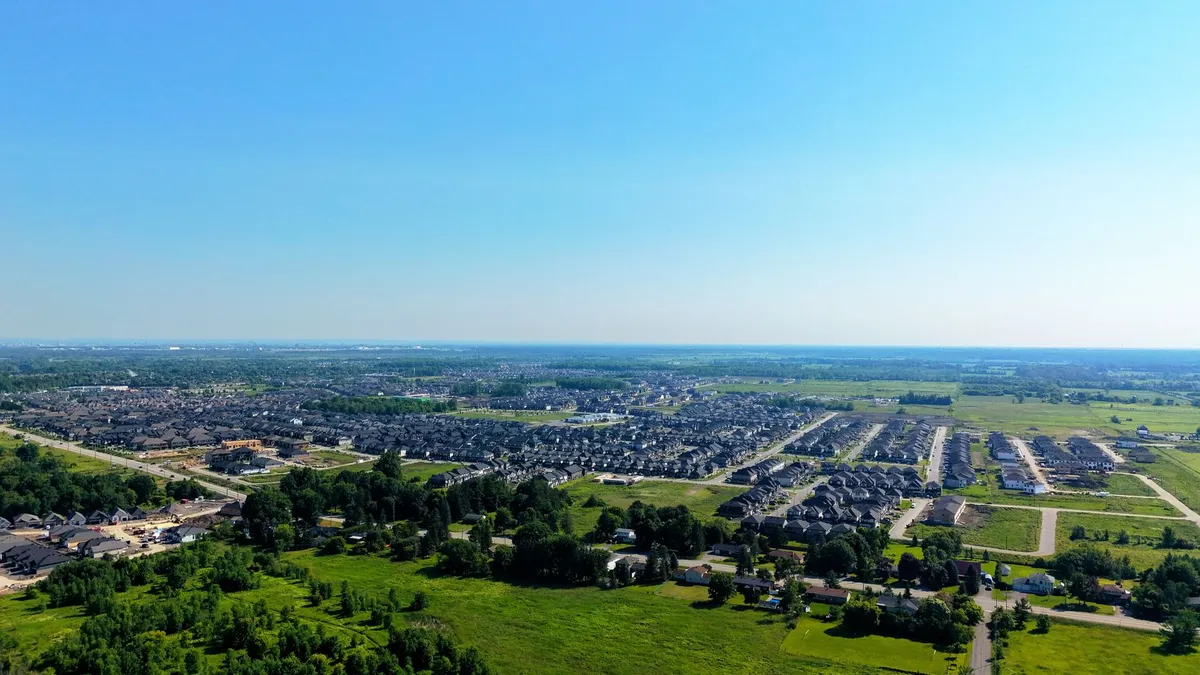
Key Changes in OZ 2.0 Eligibility Criteria
The rules guiding the new designations have evolved significantly since the original Opportunity Zone program was established in 2018. Understanding these changes is essential for any investor looking to position themselves advantageously:
1. Lower Income Threshold
Previously, a tract qualified if its median family income was at or below 80% of the state or metropolitan median. Under the new rules, that threshold has been reduced to 70%, which means a tighter selection of eligible tracts, ultimately making it harder for some areas to qualify.
2. Elimination of the Contiguous Tract Provision
The old provision allowed governors to designate tracts that didn’t meet income requirements if they were adjacent to qualifying areas. This loophole, which facilitated some lucrative designations, has been closed, further constraining the pool of eligible zones.
3. Anti-Gentrification Measure
New anti-gentrification guidelines disqualify tracts whose median family income exceeds 125% of the state or metropolitan median. This change aims to prevent already prosperous neighborhoods from receiving tax incentives meant for genuinely distressed areas.
4. Focus on Rural Opportunities
Perhaps the most significant shift is the emphasis on rural areas. Tracts classified as rural under the new statute unlock enhanced benefits for developers and investors, including:
- A 30% basis step-up after five years, compared to just 10% for urban Opportunity Zones.
- A lowered substantial improvement threshold from 100% to 50%, allowing for renovations with less initial capital.
Overall, the eligibility pool for Opportunity Zones has shrunk by approximately 25%, meaning governors must make more difficult choices with fewer options. This shift signals a potential realignment in investment strategies toward rural development, especially in states with sizable rural economies.

Lessons from the 2018 Opportunity Zone Designations
To fully grasp what may come in the 2026 round of nominations, it’s beneficial to analyze the outcomes from the original designations made in 2018. The historical data reveals a mixed bag of successes and failures:
- The average designated OZ had a poverty rate of 31%, significantly higher than the 20% threshold.
- Most tracts had incomes averaging 59% of the area median, well below the previous 80% cap.
- By 2022, it was reported that 75% of all OZ investments had been funneled into urban areas, despite nearly half of the designated zones being rural.
- A staggering one-third of OZ tracts saw no external investment at all during the program.
This data indicates that while many governors aimed to promote areas in need, there was a notable trend toward urban projects, often overlooking the rural communities that the program was designed to support. With the new OZ 2.0 structure emphasizing rural investment, it is expected that governors who faced criticism for their 2018 choices will proceed with greater caution this time around.
How Different States Are Approaching OZ 2.0 Nominations
The nomination processes will vary by state, with some governors actively soliciting input from local stakeholders. For example:
- Texas: The governor's Economic Development & Tourism Office requested eligible tracts from local organizations, using criteria such as federal eligibility, local support, and project viability.
- Washington: State officials are publicly sharing their draft application and scoring criteria, encouraging transparency.
- New Mexico: The state has laid out a clear timeline for when its final list of tracts will be submitted.
- West Virginia: Plans to finalize its nominations by late September.
States that engage in transparent processes tend to produce more viable maps, meaning investors should be proactive in advocating for their preferred tracts while the nomination process is still open.

Action Steps for Investors to Influence OZ 2.0 Designation
For investors looking to sway the nomination process in their favor, a strategic approach is essential. Here’s a four-step action plan to maximize your chances:
- Identify Eligible Tracts: Use tools from organizations like Novogradac or the Economic Innovation Group to locate Census tracts that meet the new eligibility requirements.
- Check Local Submissions: Investigate whether your local economic development organization has submitted your preferred tract. If not, contact them immediately.
- Document Project Viability: Prepare thorough documentation of your project pipeline to present to your governor’s office, as they will consider this when making selections.
- Monitor Excluded Tracts: Stay informed about which eligible tracts are left out of nominations, as this information will be released publicly, providing insights into future opportunities.
Investors who actively engage in the process and advocate for their projects are more likely to see favorable outcomes in the Opportunity Zone designations.
Key Takeaways
- Governors have a 90-day window to submit nominations for the 2027-2036 Opportunity Zone map.
- Eligibility criteria have tightened, with lower income thresholds and the removal of the contiguous tract provision.
- Rural areas now have increased incentives, including a higher basis step-up and lower improvement thresholds.
- Investors should act quickly to influence local nominations and ensure their preferred tracts are selected.
Frequently Asked Questions
What are Opportunity Zones and why are they important?
Opportunity Zones are designated areas aimed at stimulating economic development and investment in distressed communities by offering tax incentives to investors. These incentives can include deferrals on capital gains taxes and the potential for tax-free growth on investments held within these zones. Understanding and utilizing these zones can significantly impact where and how investments are made over the next decade.
How will the new eligibility criteria affect my investment strategy?
The new criteria will necessitate a shift in investment strategies for many investors. With a tighter selection of eligible zones and an emphasis on rural investment, investors may need to reassess their target areas and projects. The focus will likely shift toward identifying viable rural opportunities that meet the new guidelines, as urban areas may become less favorable for OZ designations.
Can I influence the selection of Opportunity Zones in my area?
Yes, investors can influence the selection process by engaging with local economic development organizations and participating in public discussions. By advocating for specific tracts and demonstrating project viability, investors can make a compelling case for their preferred areas to be nominated by state governors.
What happens if my tract is not selected as an Opportunity Zone?
If your desired tract is not selected, it will remain ineligible for the next ten years until the next round of designations. This underscores the importance of being proactive in the nomination process and ensuring that local stakeholders are aware of the potential benefits of designating certain tracts as Opportunity Zones.
This content is for educational purposes only and does not constitute financial advice.
Comments
Navigating IRS Delays: What to Do If Your Tax Refund is Late
Are you anxiously waiting for your tax refund? This comprehensive guide covers common issues taxpayers face with delayed refunds and offers actionable steps to resolve them.

Related articles
Popular in Taxes
- Understanding State Capital Gains Tax Rates in 2026: A Comprehensive Guide for Investors
- Inheriting a House: Tax Implications and What You Should Know
- T-Mobile Plans and Rising Property Taxes: What You Need to Know
- Understanding the New IRS Gift Tax Exclusion for Trump Accounts
- The IRS Now Texts: What You Need to Know to Stay Safe