UniCredit's Bold Play for Commerzbank: Merging Two European Giants
UniCredit's push to acquire Commerzbank is a significant move in the European banking sector. With a hostile takeover bid and mounting challenges, this merger could reshape the financial landscape.
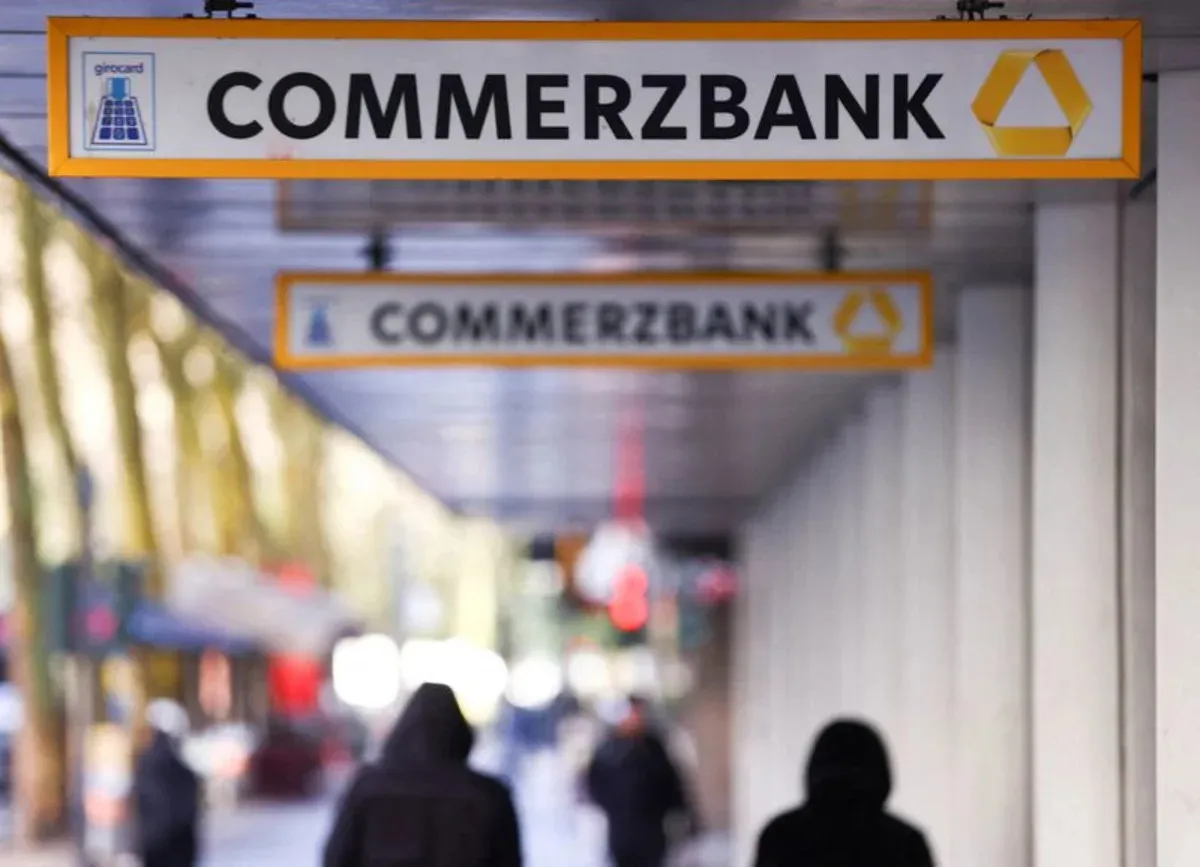
The European banking landscape is on the verge of significant change as UniCredit, Italy's second-largest bank, inches closer to acquiring Germany's Commerzbank. This potential merger, valued at €45 billion (approximately $51 billion), has evolved from a contentious rivalry into a game of strategy and timing. With UniCredit now holding 48% of Commerzbank's shares, the question is no longer if the merger will happen, but rather how and when it will be finalized.
Since its initial investment in Commerzbank back in September 2024, UniCredit has been embroiled in a protracted struggle that not only highlights the complexities of cross-border banking mergers but also underscores the challenges of navigating regulatory environments. The German banking community has been wary of UniCredit's intentions, as the deal represents a significant shift in the balance of power between two of Europe's financial stalwarts.
Understanding the Hostile Takeover Attempt
UniCredit's foray into Commerzbank began with a low-ball takeover bid, which sparked a fierce backlash from Germany's financial circles. Despite this resistance, UniCredit's CEO, Andrea Orcel, has persevered, indicating a strong willingness to engage in dialogue with Commerzbank's management. The hostile nature of this takeover attempt stems from a deeply rooted distrust and a historical context of banking consolidation in Europe.
Key Challenges of Merging Across Borders
Cross-border mergers in the banking sector often come with a unique set of challenges:
- Regulatory Scrutiny: Each country has its own regulatory framework, which can complicate merger processes. In Germany, any acquisition that crosses the 30% threshold requires additional regulatory approvals.
- Cultural Differences: Banking practices and corporate cultures vary widely between nations, potentially leading to clashes post-merger.
- Political Opposition: Local governments may resist mergers that threaten national interests, as seen with Commerzbank's recent pushback against UniCredit.
- Market Dynamics: The competitive landscape can shift rapidly, especially during periods of consolidation, which can impact a bank's operational strategy.

Orcel's Strategy: Next Steps for UniCredit
As UniCredit seeks to consolidate its position, Orcel has several strategic options at his disposal:
Potential Pathways to Control
1. **Amending Swap Contracts:** UniCredit could adjust existing financial agreements to increase its stake to 59%.
2. **Open Market Purchases:** Once regulatory approvals are secured, Orcel could buy shares directly from the market, further raising his ownership percentage.
3. **Negotiation with Commerzbank:** Engaging in talks may yield a more favorable merger agreement, though common ground has proven elusive thus far.
4. **Achieving Majority Control:** By securing more than 50% of shares, UniCredit would gain the ability to appoint half of Commerzbank's supervisory board, thereby exerting more influence over the bank’s strategic direction.

Market Reactions and Investor Sentiment
The financial community's reaction to UniCredit's bid has been mixed. While some investors express skepticism regarding the attractiveness of the offer, others are cautiously optimistic about its potential benefits.
Shareholder Perspectives
Many shareholders at Commerzbank are waiting for a higher premium before selling their shares. For instance, Manfred Pointke, a noted investor in Commerzbank, indicated he would consider selling if the offer reached €45 or €47, compared to the current bid of under €40. This sentiment reflects a broader expectation among investors that a successful merger could ultimately lead to enhanced shareholder value.
Furthermore, the looming involvement of the European Central Bank (ECB) adds another layer of complexity. Should the ECB determine that UniCredit effectively controls Commerzbank before it crosses the 50% threshold, the capital implications for UniCredit could be significant.

Political Implications and Future Prospects
The political landscape plays a crucial role in the future of this merger. Boris Rhein, the premier of Hesse (the state where Commerzbank is headquartered), has publicly called for dialogue between the two banks. His statement reflects a growing recognition that finding common ground is essential for the merger's success.
Possible Obstacles Ahead
Despite the momentum building in favor of UniCredit, several obstacles remain:
- German Regulatory Hurdles: The complex German banking regulations could delay or complicate the approval process.
- Internal Resistance: Commerzbank's management has been vocal about maintaining independence, which could hinder negotiations.
- Market Competition: UniCredit's focus on Commerzbank may limit its ability to engage in other strategic investments within Italy, potentially impacting its overall market position.
Key Takeaways
- UniCredit has secured 48% of Commerzbank's shares, moving closer to a majority stake.
- The merger highlights the challenges of cross-border bank consolidation within the Eurozone.
- Political and regulatory factors will significantly influence the outcome of this takeover bid.
- Investors are wary but see potential for increased shareholder value if the deal is completed.
Frequently Asked Questions
What are the implications of this merger for customers of both banks?
The merger of UniCredit and Commerzbank could have several implications for customers. Primarily, it may lead to an expanded range of financial products and services as the two banks integrate their offerings. Customers could benefit from improved technology platforms and greater accessibility to banking services across Europe. However, there could also be service disruptions during the transition period, and customers may need to adapt to new policies and procedures.
How will this merger affect the competitive landscape in Europe?
This merger is poised to significantly alter the competitive dynamics in the European banking sector. By combining resources, UniCredit could position itself as a formidable competitor against larger American banks, potentially reshaping market share across Europe. However, increased market concentration may raise concerns among regulators about monopolistic practices, prompting closer scrutiny of the merger’s effects on competition.
What are the potential risks associated with this merger?
Several risks accompany the merger, including regulatory challenges, cultural integration issues, and potential backlash from stakeholders opposed to consolidation. Additionally, if UniCredit fails to effectively manage the integration process, it may lead to operational inefficiencies and a loss of customer trust. The financial markets could also react negatively if investor expectations are not met, impacting share prices for both banks.
What should investors consider regarding their shares in Commerzbank?
Investors holding shares in Commerzbank should closely monitor developments related to the merger, particularly any changes in UniCredit's offer price or the progress of negotiations. If the deal proceeds, investors may want to evaluate the potential for increased share values in the combined entity versus the risks of holding onto their shares amidst uncertainty. Consulting with a financial advisor could provide additional insights tailored to individual investment strategies.
This content is for educational purposes only and should not be considered financial advice.
Comments
Are 7% Interest Savings Accounts a Thing of the Past?
In a world where high-yield savings accounts once offered rates as high as 7% APY, many savers are left wondering where they stand today. With current rates hovering around 4%, this article explores the landscape of savings accounts, the influence of Federal Reserve policies, and how you can still maximize your savings.

Related articles
Popular in Banking
- AI Revolution: HDFC Bank's Workforce Reduction and Future of Banking
- JPMorgan Chase Reports Record Profits: What It Means for Banking and Consumers
- Are 7% Interest Savings Accounts a Thing of the Past?
- Impact of New Lending Guidelines on Immigrants in the U.S.
- Bank of America Reports 27% Profit Surge Amid Economic Resilience