Impact of New Lending Guidelines on Immigrants in the U.S.
The Trump administration's recent guidance for banks raises concerns about lending to immigrants without work authorization. This article explores the implications for both authorized and unauthorized borrowers.
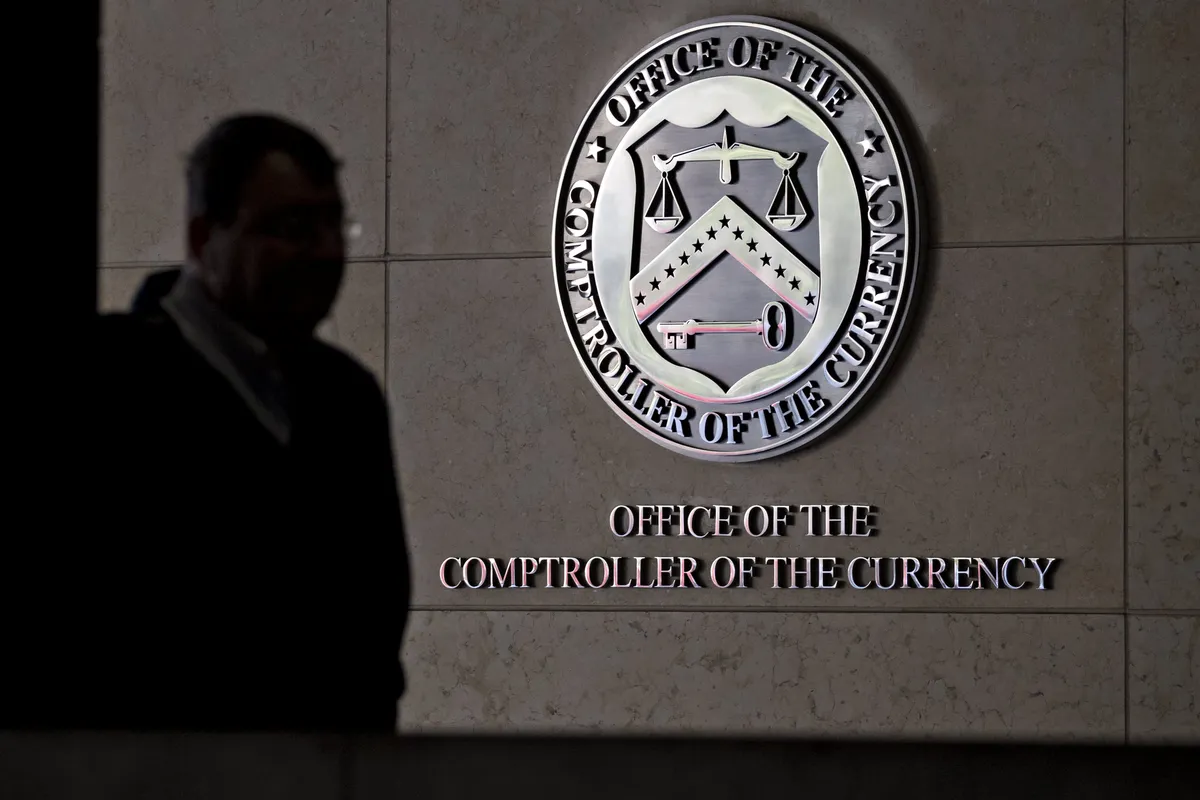
The financial landscape for immigrants in the United States has always been fraught with complexities, and the latest guidance from the Trump administration has further complicated access to banking services for those lacking work authorization. Issued by three key federal banking regulators—the Office of the Comptroller of the Currency, the Federal Deposit Insurance Corporation, and the National Credit Union Administration—this new directive encourages banks to scrutinize lending practices involving unauthorized immigrants, citing potential elevated credit risks associated with their financial stability.
This move is part of a broader strategy by the Trump administration to leverage the financial system as a mechanism for stricter immigration enforcement. The regulators’ guidance highlights concerns that individuals without work authorization may struggle to maintain stable employment and generate income—factors that banks typically consider when extending credit. While the guidelines do not impose new regulations, they serve as a reminder for banks to assess the risk associated with lending to borrowers who lack U.S. work authorization, invoking a pre-existing obligation to understand their customers' financial backgrounds.
Understanding the Regulatory Landscape
To fully grasp the implications of this recent guidance, it's essential to understand the regulatory environment surrounding lending practices in the U.S. Financial institutions have long been required to perform due diligence when assessing borrowers, often referred to as “Know Your Customer” (KYC) regulations. These regulations necessitate that lenders evaluate not only a borrower’s credit history but also their overall financial stability and capacity to repay loans.
The guidance from federal regulators now places added emphasis on the immigration status of borrowers, suggesting that banks should consider this aspect when determining creditworthiness. Critics argue that this could lead to a chilling effect, diminishing access to essential banking services not only for unauthorized immigrants but also for those who are authorized yet may be perceived as higher-risk due to their immigration status.

The Potential Effects on Immigrant Borrowers
Chilling Effects on Access to Credit
One of the most significant concerns stemming from this guidance is the potential chilling effect it may have on immigrant communities. Critics argue that the heightened scrutiny could deter not only unauthorized immigrants but also those with valid work authorization from accessing banking services. The fear of being subjected to invasive scrutiny might push many individuals to seek alternative, potentially less secure options for borrowing.
Increased Compliance Costs for Banks
Financial institutions may face increased compliance costs as they adjust their lending practices to align with these guidelines. Banks will likely need to invest in additional training for staff and potentially new systems to better assess the credit risk associated with lending to immigrants. This could lead to higher fees for consumers, further exacerbating the challenges faced by low-income borrowers.
A Shift to Alternative Lending
As banks become more cautious in their lending practices, there is a risk that many immigrants will turn to alternative lending sources, such as payday lenders or informal lending circles. These options often come with exorbitantly high interest rates and lack the consumer protections offered by traditional banking institutions. This shift could increase the risk of financial exploitation among vulnerable populations who may feel they have no other options.

Current Landscape of Immigrant Lending
Data on the extent to which undocumented immigrants access loans is sparse, primarily because banks are not mandated to collect citizenship information from customers. However, there are pathways for some immigrants to secure financing, such as Individual Taxpayer Identification Numbers (ITINs), which allow unauthorized immigrants to file taxes. While these numbers can facilitate access to certain financial products, the overall volume of ITIN mortgages remains low. According to the Urban Institute, only about 5,000 to 6,000 ITIN mortgages were issued in 2023, a stark contrast to the 4.6 million total mortgage originations during the same year.
In many cases, banks require a Social Security number to verify identity and pull credit history, making it challenging for unauthorized immigrants to secure traditional financing. As such, the recent guidance may further restrict access to credit for an already marginalized group.

The Executive Order and Its Implications
This regulatory guidance follows an executive order issued by President Trump in May, which directed regulators to tighten their oversight of financial institutions regarding lending to unauthorized immigrants. The order specifically urged banks to consider immigration status and work authorization as relevant risk factors in their lending decisions. However, legal experts note that while the order encourages a risk-based approach, it stops short of mandating that banks verify the immigration status of every customer.
As a result, the guidance reinforces existing norms while subtly shifting the landscape for immigrant borrowers. The call for targeted regulatory and supervisory actions could lead to more significant scrutiny of immigrant borrowers, increasing the likelihood of discrimination and bias in lending practices.
Key Takeaways
- New Guidance: The Trump administration's recent guidance encourages banks to scrutinize lending to unauthorized immigrants.
- Chilling Effects: The guidance may deter both unauthorized and authorized borrowers from seeking credit.
- Increased Costs: Banks may face higher compliance costs, potentially leading to increased fees for consumers.
- Alternative Lending Risks: Immigrants may resort to high-risk alternative lending sources due to restricted access to traditional banking.
Frequently Asked Questions
How does the new guidance specifically affect immigrant borrowers?
The new guidance from federal regulators places a stronger emphasis on the immigration status of borrowers, encouraging banks to consider this factor when assessing credit risk. This heightened scrutiny could make it more challenging for both authorized and unauthorized immigrants to secure loans, as banks may perceive them as higher risk. As a result, many potential borrowers may be discouraged from seeking loans altogether, fearing rejection or additional hurdles in the application process.
What alternatives do unauthorized immigrants have for obtaining loans?
Unauthorized immigrants often rely on alternative lending sources, such as payday loans or informal agreements with friends and family. While some banks offer loans to individuals with Individual Taxpayer Identification Numbers (ITINs), the overall volume of such loans is limited. It is crucial for unauthorized immigrants to be cautious when considering alternative options, as they often come with high interest rates and unfavorable terms. Identifying reputable community organizations that provide financial counseling can also be a helpful avenue for finding more secure lending options.
What are the potential long-term implications of this guidance on the financial system?
The long-term implications of this guidance could be significant, potentially leading to increased financial exclusion for immigrant communities. As banks become more cautious regarding lending to individuals without work authorization, a larger segment of the population may be pushed into the informal financial sector. This shift not only limits access to essential financial services but may also increase the risk of financial exploitation. Moreover, if immigrants are unable to establish credit histories, it could hinder their ability to participate fully in the economy, affecting overall economic growth.
Is there a possibility of changing these guidelines in the future?
While the current guidance is a reflection of the Trump administration's policies, changes in the political landscape could prompt a reevaluation of how banks approach lending to immigrants. A shift in administration or new legislative initiatives could lead to a more inclusive approach to banking for immigrant communities. Advocacy groups are likely to continue pushing for reforms that ensure equitable access to financial services, which could influence future regulatory decisions.
This content is educational, not financial advice.
Comments
Popular in Banking
- AI Revolution: HDFC Bank's Workforce Reduction and Future of Banking
- JPMorgan Chase Reports Record Profits: What It Means for Banking and Consumers
- UniCredit's Bold Play for Commerzbank: Merging Two European Giants
- Are 7% Interest Savings Accounts a Thing of the Past?
- Bank of America Reports 27% Profit Surge Amid Economic Resilience