The Changing Landscape of Homeownership: What Renters Gain and Lose
As homeownership becomes increasingly unattainable for younger generations, many are reevaluating their financial futures. This article explores the implications of renting versus buying in today's economic climate.

The dream of homeownership has long been a cornerstone of the American narrative, symbolizing stability, prosperity, and an avenue for wealth accumulation. However, for many young adults today, this aspiration seems increasingly out of reach. Rising home prices and historically high interest rates have prompted a significant shift in how younger generations view housing and financial security. With homeownership no longer the guaranteed path to wealth it once was, the question arises: what does this mean for those who choose to rent indefinitely?
For individuals like Tanisha Saunders, a 36-year-old property manager in Los Angeles, the reality of homeownership has become a distant dream. After graduating college, Saunders felt hopeful about one day owning a home, but over the years, the escalating costs of housing and the financial burdens associated with ownership have led her to abandon that goal. Living in an employer-provided apartment has provided some relief from rising rental costs, yet she and many of her peers grapple with the reality of escalating living expenses without the benefits of property ownership.
Understanding the Current Housing Market
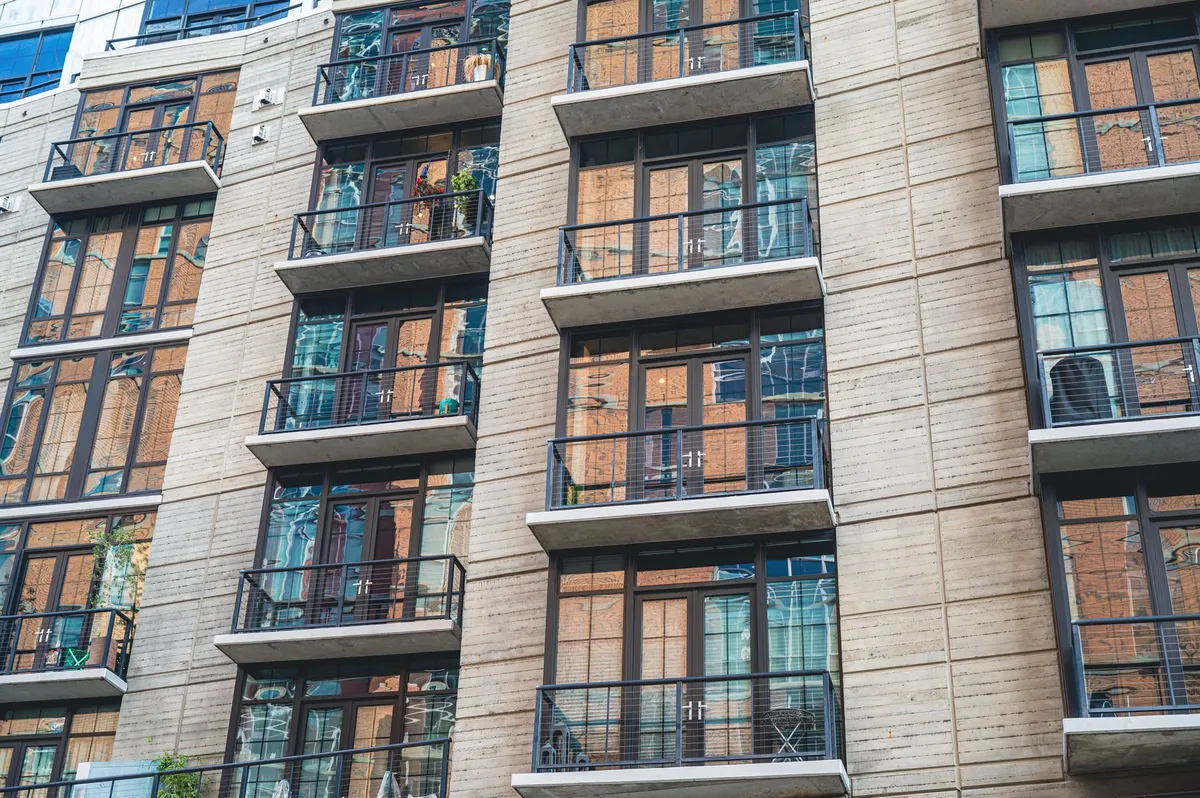
As of 2023, the median home price in the United States has reached approximately five times the median household income, a stark contrast to the historically stable ratio of three to one. This significant disparity in affordability has pushed many young adults to reconsider their long-term financial strategies.
Historical Context
The challenges faced by today’s prospective homebuyers are not merely a matter of personal financial mismanagement; they are rooted in broader economic trends. In the aftermath of the 2007-2009 housing crisis, many developers scaled back on new construction, leading to a chronic shortage of housing supply. Concurrently, lenders imposed stricter credit requirements, making it more difficult for younger buyers to qualify for mortgages.
The Pandemic Effect
The COVID-19 pandemic further exacerbated the situation. Home prices surged as demand outstripped supply, and as interest rates have climbed in recent years, potential buyers are finding themselves squeezed between high prices and costly financing options. According to recent Gallup data, only 29% of 18- to 34-year-olds envision homeownership within the next five years, a drastic decline from 57% in 2015.

The Wealth Gap: Renters vs. Homeowners
Historically, homeownership has been a primary pathway for wealth accumulation in the United States. In 2022, the median net worth of homeowners was approximately 40 times that of renters. However, this statistic belies a more complex narrative; while some homeowners see substantial asset appreciation, many do not, and some even face losses due to market fluctuations.
The Financial Risks of Homeownership
Purchasing a home is often viewed as a safe investment, yet this perception is increasingly challenged. A study from Tufts University illustrates the precarious nature of homeownership. It found that low-income renters who transitioned to homeowners in the wake of the 2007 recession often experienced decreased wealth due to foreclosures and high-interest mortgages. Conversely, those who remained renters during that tumultuous period fared better financially.
The Anxiety of Renting
For renters like Naomi Mortensen, the constant struggle to save for a down payment while managing other financial obligations creates a sense of anxiety about the future. Mortensen, a 30-year-old nonprofit worker, reflects on the daunting median home price of $565,000 in her area, which feels unattainable given her current financial situation. She worries about committing to a long-term asset in an unpredictable market and feels that renting may be a more sensible choice in the current economic climate.

Exploring Alternative Paths to Wealth
As the traditional notion of homeownership fades for many, a growing number of young adults are seeking alternative avenues to financial security. Patrick Yaghoobians, a 30-year-old entrepreneur, made the decision to divert his savings from a home down payment to launching a financial planning business. His choice reflects a broader trend among young people reassessing financial priorities in light of the challenges of homeownership.
Investing in Yourself
Yaghoobians emphasizes the importance of viewing his decision as an investment in personal growth rather than a concession of financial stability. By focusing on entrepreneurship and ensuring he saves for retirement, he illustrates an emerging attitude that prioritizes flexibility and adaptability over the traditional long-term commitment associated with homeownership.
The New Financial Landscape
In this changing landscape, the concept of wealth is evolving. With the advent of technology and the gig economy, many young adults are finding ways to generate income and build wealth outside of real estate. Investing in skills, businesses, or retirement accounts could provide more immediate financial benefits than purchasing a home, particularly in a volatile market.

Key Takeaways
- Homeownership is increasingly out of reach for many young adults due to high prices and interest rates.
- Renting offers flexibility that homeownership may not provide, particularly in an uncertain job market.
- Alternative investments are gaining popularity among younger generations, shifting focus from real estate to personal development and entrepreneurship.
- The wealth gap between renters and homeowners remains significant, but homeownership is not a guaranteed path to financial security.
Frequently Asked Questions
What are the main benefits of renting over buying a home?
Renting offers several advantages, particularly in a volatile economic climate. First, it provides flexibility to relocate with ease, which is essential for career advancements or personal circumstances. Additionally, renters are not responsible for maintenance costs or property taxes, which can alleviate financial stress. This flexibility can be particularly valuable for young adults still navigating their career paths and seeking stability in other areas of their lives.
How can I build wealth if I choose to rent rather than buy a home?
Building wealth while renting involves strategic financial planning. Consider allocating funds that would typically go toward a mortgage into investments such as stocks, mutual funds, or retirement accounts. Additionally, focusing on developing skills that enhance earning potential can create alternative income streams. Engaging in financial education and planning can provide a solid foundation for future financial security.
What should I consider before deciding to buy a home?
Before committing to homeownership, it's crucial to evaluate your financial situation thoroughly. Assess your current debts, savings for a down payment, and your job stability. Additionally, consider the long-term implications of purchasing a home, including potential market fluctuations and your personal career goals. If you foresee needing flexibility, it may be wiser to continue renting until you have a clearer financial strategy.
Is the housing market likely to improve in the near future?
Predicting the housing market's trajectory is challenging. Factors such as interest rates, economic conditions, and housing supply all play significant roles in determining market health. While some experts anticipate potential stabilization or decreases in home prices, others caution that high demand and limited inventory may continue to drive prices up. Staying informed about market trends and seeking professional advice can help you make better decisions regarding homeownership.
Disclaimer: This content is educational and not financial advice.
Comments
US Housing Market: August Sees Rebound in Homebuilding Amid Challenges
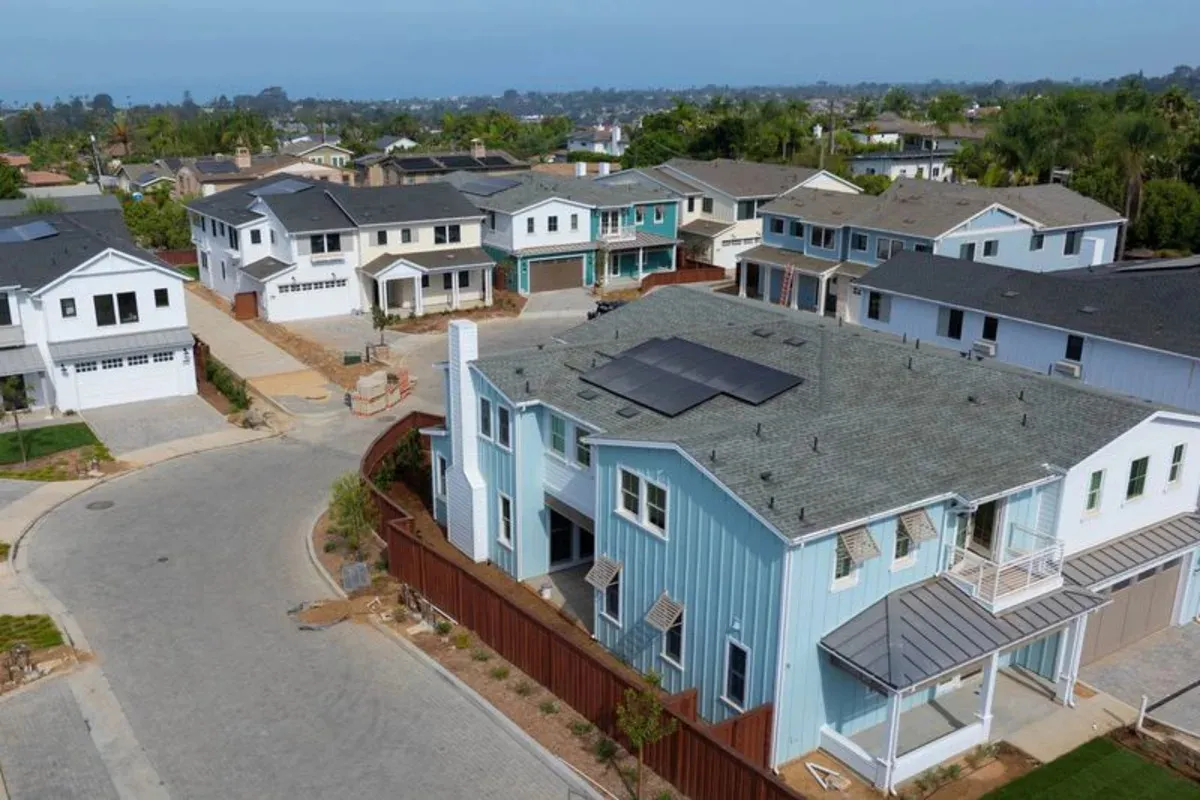
In August, single-family homebuilding in the U.S. experienced a notable rebound, though future construction permits saw a decline, indicating potential volatility ahead. Rising inflation and mortgage rates linked to geopolitical tensions are contributing factors affecting the housing market.
Related articles
Popular in Mortgages
- Current Mortgage and Refinance Rates: Insights for Homebuyers
- Essential Guide to Refinancing Your Mortgage Before 2026
- New Housing Law Aims to Boost Affordability: What Buyers and Sellers Should Know
- Why Renting May Be a Smarter Choice Than Buying a Home Near Retirement
- The Mortgage Dilemma: Should You Pay Off Your Home Before Retirement?