US Housing Market: August Sees Rebound in Homebuilding Amid Challenges
In August, single-family homebuilding in the U.S. experienced a notable rebound, though future construction permits saw a decline, indicating potential volatility ahead. Rising inflation and mortgage rates linked to geopolitical tensions are contributing factors affecting the housing market.
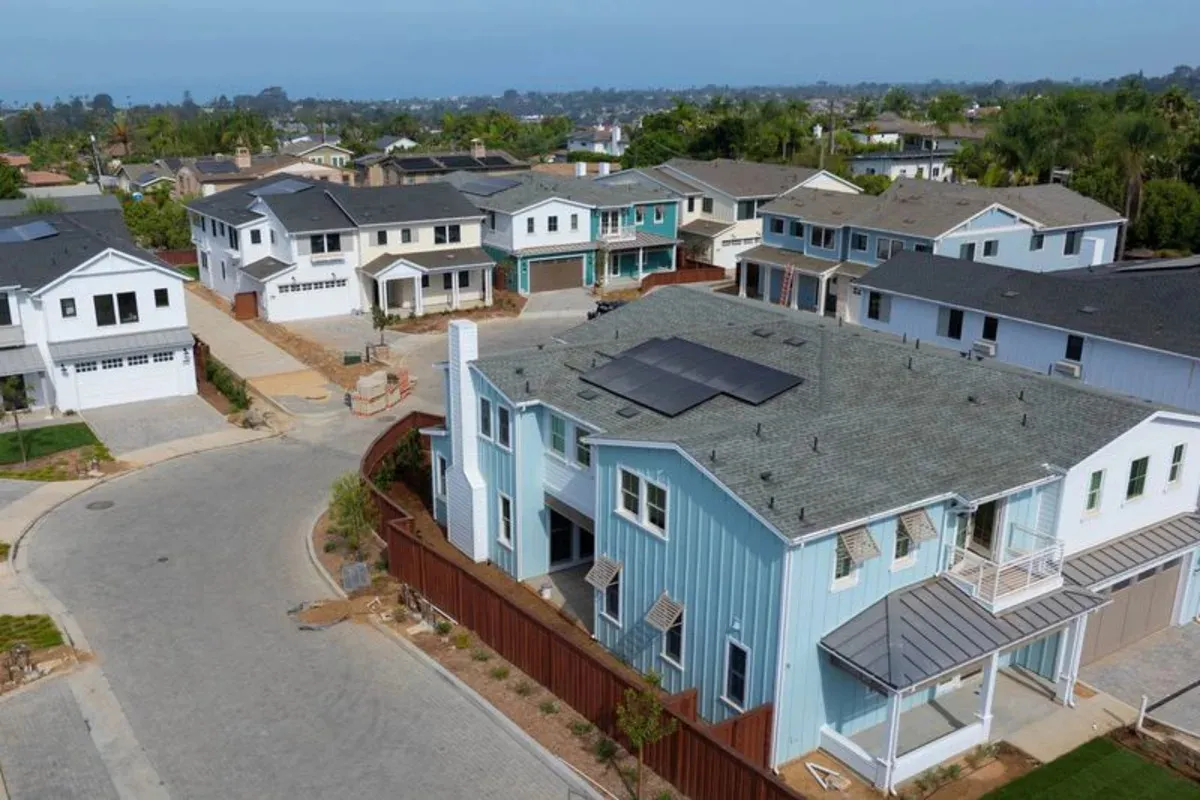
The U.S. housing market witnessed a flicker of optimism in August as single-family homebuilding showed a significant increase, rebounding by 7.6% to an annualized rate of 918,000 units, according to the latest report from the Commerce Department's Census Bureau. This uptick is particularly relevant as it reflects the resilience of the housing sector amidst a backdrop of rising inflation and escalating mortgage rates, largely attributed to geopolitical instability in the Middle East. However, the decline in building permits suggests that this improvement may be short-lived, raising questions about the sustainability of the current market trends.
As homebuyers grapple with soaring costs, the interplay of economic factors is shaping the housing landscape. The rise in single-family housing starts, which are crucial for the majority of homebuilding activity, marks a positive shift for an industry that has faced multiple challenges in recent months. Nevertheless, the overall picture remains complicated, with signs pointing towards a potential slowdown in future construction.
Understanding the Current Housing Market Dynamics
The recent data shows that while single-family housing starts have increased, the number of building permits issued for future construction has fallen by 1.8% in August, settling at a rate of 878,000 units. This decline in permits raises concerns that builders may be anticipating a slowdown in demand due to the negative influences of higher mortgage rates and inflation. A year-over-year comparison reveals a slight 1.3% increase in building permits, but the recent drop signals a potential shift in sentiment.
The Impact of Rising Mortgage Rates
The average rate on a 30-year fixed mortgage has climbed to 6.76%, marking the highest point in over a year. This increase is in tandem with a broader trend of rising interest rates. The Federal Reserve recently raised its overnight benchmark interest rate by a quarter of a percentage point to a range of 3.75%-4.00%. This decision is part of an ongoing strategy to combat inflation, which has been exacerbated by geopolitical tensions, specifically the ongoing conflict in the Middle East that has driven oil prices above $100 per barrel.
The implications of these rising rates are profound for prospective homebuyers. Higher mortgage rates mean increased monthly payments, which can price many buyers out of the market. For example, a $300,000 mortgage at 6.76% results in a monthly payment of around $1,950, compared to $1,839 at a 6.0% rate. As borrowing becomes more expensive, the demand for new homes may soften, leading to a potential slowdown in housing starts.
Challenges Facing Builders and Buyers
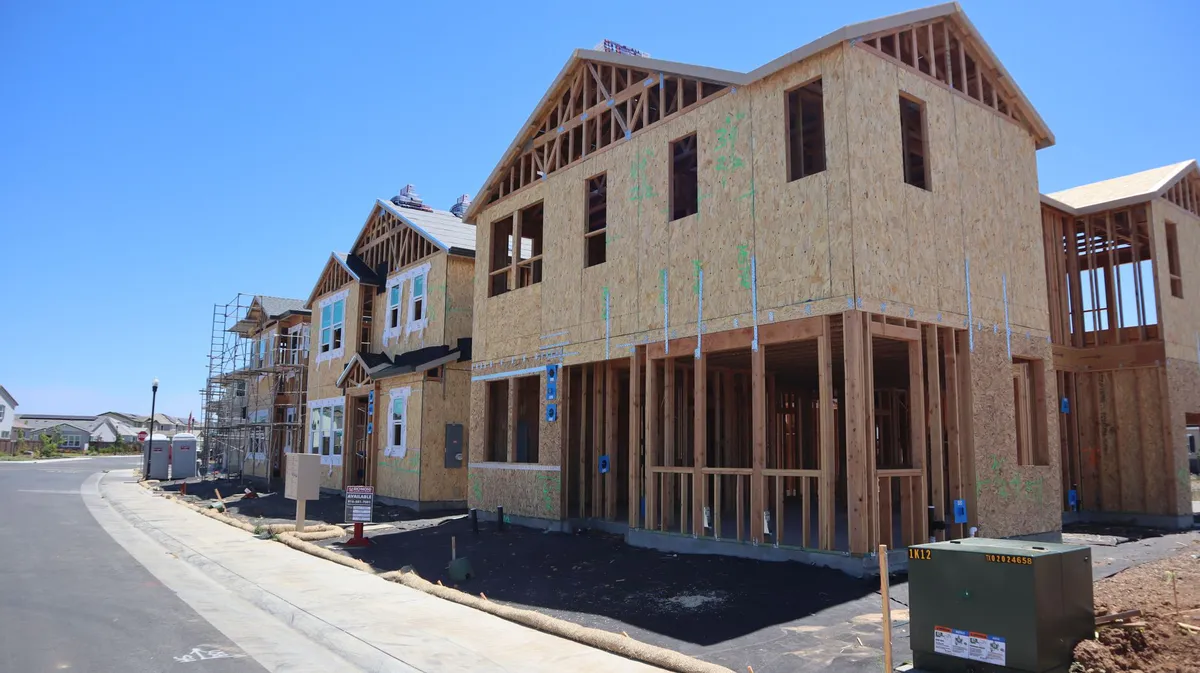
Despite the uptick in single-family home construction, sentiment among builders has taken a hit. A recent survey by the National Association of Home Builders revealed that builder confidence has fallen to a one-year low. This downturn in confidence can be attributed to several key factors:
- Labor Shortages: An immigration crackdown has led to labor shortages in the construction industry, making it difficult for builders to find qualified workers.
- Material Costs: Tariffs and supply chain disruptions have caused prices for construction materials to rise, further straining builders' budgets.
- Higher Interest Rates: The ongoing increase in mortgage rates is expected to dampen demand, leading to uncertainty in future projects.
As a result, while current housing starts may provide a momentary boost to the market, the long-term outlook could be more precarious, especially if these challenges persist.
Multi-Family Housing: A Volatile Segment
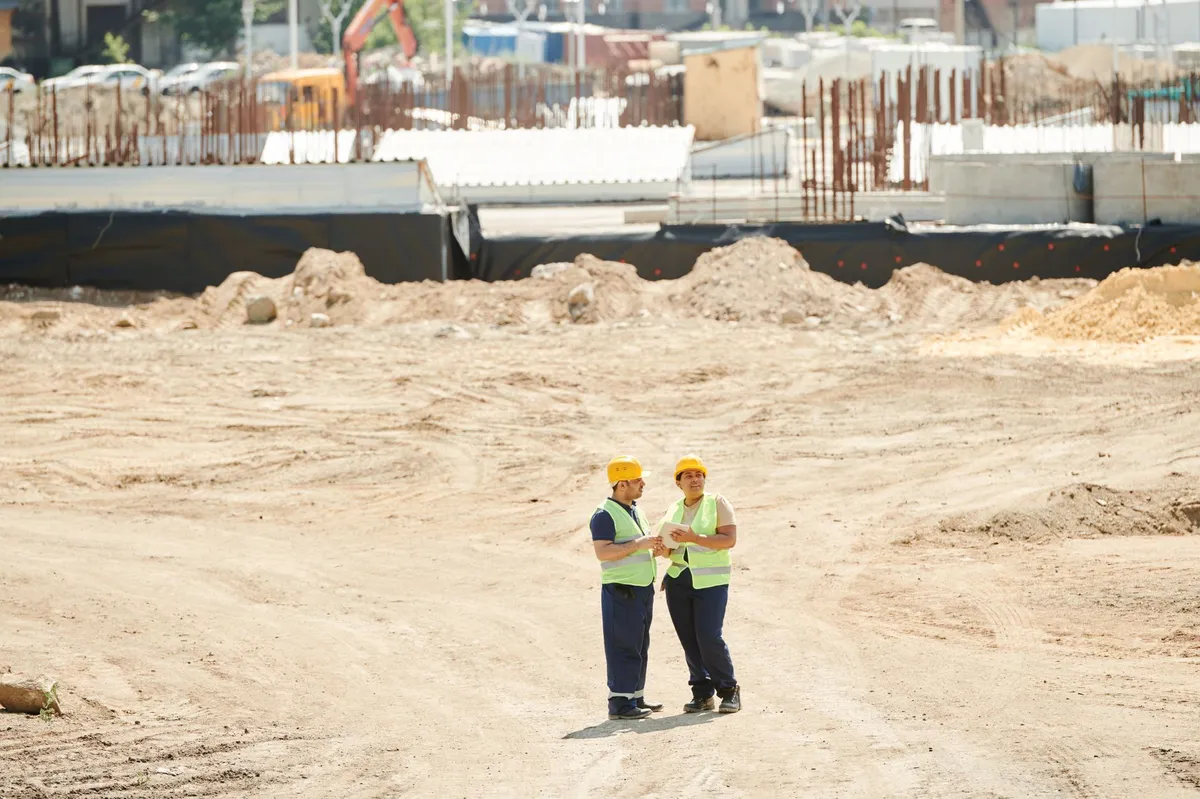
The multi-family housing sector, which often shows more volatility than single-family construction, saw a dramatic drop in activity. Housing projects with five units or more plummeted by 22.5% to a rate of 344,000 units in August. In comparison, multi-family housing starts decreased by 15.5% year-over-year. This volatility can be attributed to a combination of factors including economic uncertainty and changing consumer preferences post-pandemic, as many individuals are reevaluating their housing needs.
Notably, building permits for multi-family projects also fell by 3.1% to a rate of 467,000 units. This decline indicates that developers may be scaling back on larger projects in anticipation of reduced demand, further complicating the housing landscape.
What This Means for Future Homebuyers
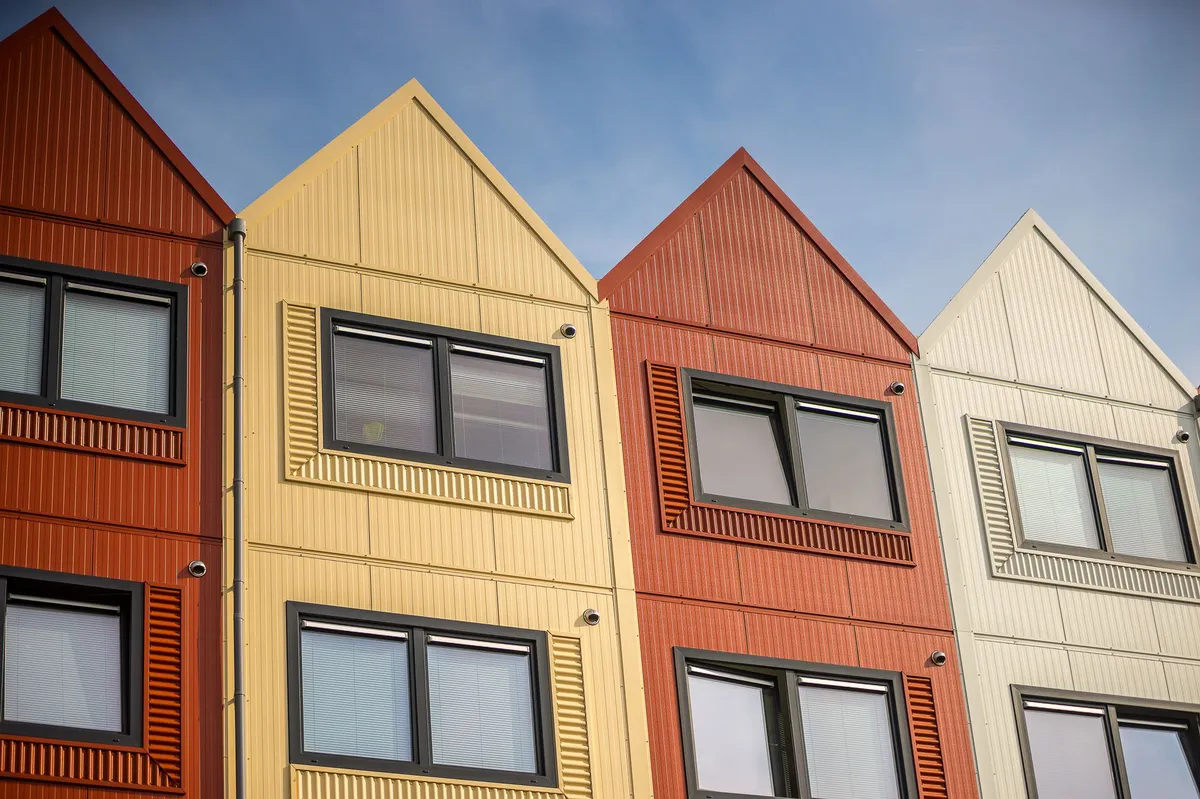
For prospective homebuyers, the current environment requires careful consideration of financial readiness and market conditions. With rising mortgage rates, buyers must weigh their options more strategically. Here are a few tips for navigating the current housing market:
- Assess Your Budget: Determine how much you can afford given the increased interest rates. Use mortgage calculators to understand how different rates affect your monthly payments.
- Consider Timing: With signs of potential slowing in housing starts, it may be beneficial to monitor the market for price adjustments or increased inventory.
- Explore Alternative Financing: Look into adjustable-rate mortgages or government-backed loans which may offer lower initial rates.
Ultimately, understanding the broader economic context will be crucial for making informed decisions in the current housing market.
Key Takeaways
- Single-family housing starts increased by 7.6% in August, signaling a temporary rebound.
- Building permits fell by 1.8%, indicating a potential slowdown in future construction.
- Higher mortgage rates, now averaging 6.76%, are affecting buyer affordability and builder sentiment.
- Labor shortages and rising material costs continue to constrain the construction industry.
- Multi-family housing starts plunged by 22.5%, reflecting volatility in that segment of the market.
Frequently Asked Questions
What factors are contributing to the increase in mortgage rates?
Mortgage rates are influenced by various factors, including the Federal Reserve's interest rate policies and broader economic conditions. Recent geopolitical tensions, particularly the conflict in the Middle East, have led to rising oil prices, which in turn contribute to inflation. As inflation rises, the Fed has responded by increasing interest rates, leading to higher mortgage rates for consumers.
How does the decrease in building permits affect the housing market?
A decline in building permits is often viewed as a forward-looking indicator of future construction activity. When permits decrease, it suggests that builders are less confident about demand, potentially leading to fewer new homes being built. This could result in a tighter housing supply, which may drive prices up in the long term if demand remains steady or increases.
What can homebuyers do to prepare for rising mortgage rates?
Homebuyers should take proactive steps to prepare for rising mortgage rates by assessing their financial situation and considering different financing options. It is essential to get pre-approved for a mortgage to understand how much you can borrow and at what rate. Additionally, shopping around for the best mortgage rates and considering alternative loan products can help mitigate the impact of rising costs.
Is now a good time to buy a home?
The decision to buy a home is highly individual and should be based on personal financial circumstances and market conditions. While rising mortgage rates can make homeownership more expensive, the current increase in housing starts may indicate a growing inventory of homes. Buyers should consider their long-term goals, market trends, and their readiness to enter the market before making a decision.
This content is educational, not financial advice.
Comments
The Changing Landscape of Homeownership: What Renters Gain and Lose
As homeownership becomes increasingly unattainable for younger generations, many are reevaluating their financial futures. This article explores the implications of renting versus buying in today's economic climate.

Related articles
Popular in Mortgages
- Current Mortgage and Refinance Rates: Insights for Homebuyers
- Essential Guide to Refinancing Your Mortgage Before 2026
- New Housing Law Aims to Boost Affordability: What Buyers and Sellers Should Know
- Why Renting May Be a Smarter Choice Than Buying a Home Near Retirement
- The Mortgage Dilemma: Should You Pay Off Your Home Before Retirement?