Navigating Trucking's Tight Capacity and High Rates: What Shippers Need to Know
As trucking rates approach record highs, shippers face an ongoing tight capacity crisis. This article explores the dynamics behind the rising costs and the impacts on the shipping industry.
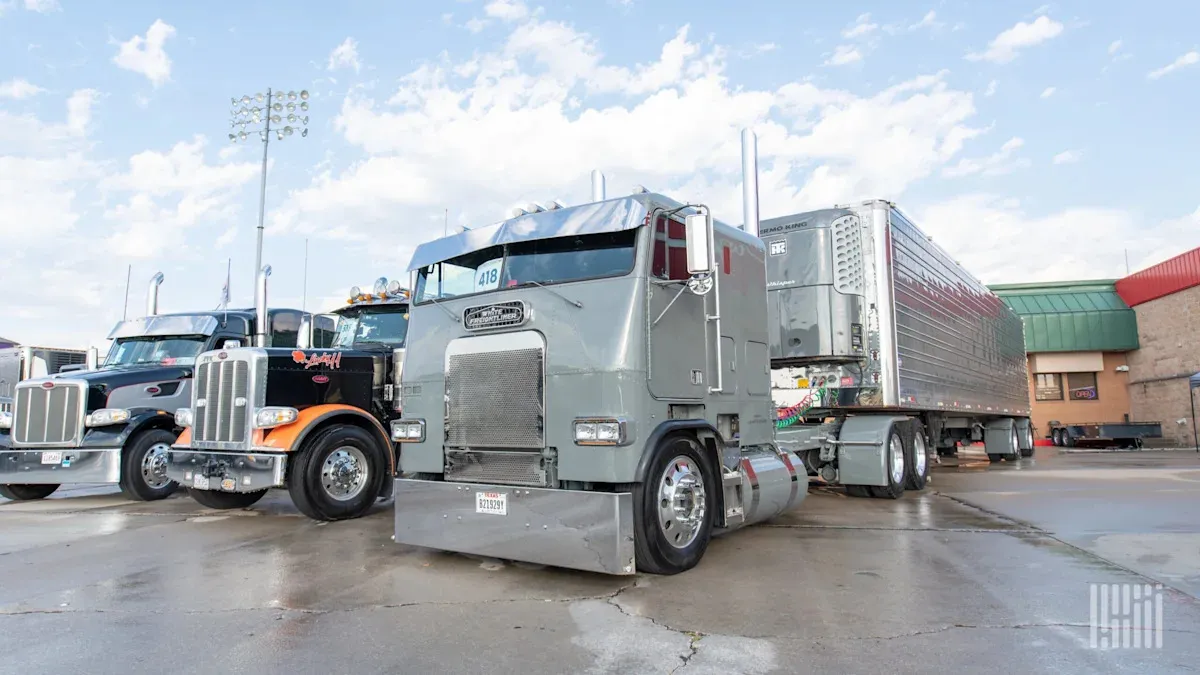
The trucking industry is experiencing a perfect storm of challenges, with shippers confronting a tightening capacity just as freight rates hover near all-time highs. According to ACT Research's latest For-Hire Trucking Index, freight rates remain robust despite a slight decline in June, indicating that the market dynamics favor trucking fleets over shippers. With the capacity crunch expected to persist, understanding the underlying factors and implications can help businesses strategize effectively in this high-stakes environment.
As of June 2026, the Freight Rate Index registered a strong reading of 70.2, down from May's record of 79.7 but still among the highest levels in the history of the index. This situation is compounded by a significant shortage of truck capacity, driven by lower-than-needed Class 8 tractor sales and new federal regulations that have reduced the available pool of drivers. For shippers aiming to expand their operations, the current landscape poses serious challenges.
Understanding the Current Freight Market Dynamics
Market conditions have shifted dramatically in favor of trucking fleets over the past year. The Freight Rate Index reflects a robust demand for transportation services, which has outpaced the available supply of trucks. The Capacity Index, which measures the growth of trucking capacity, climbed to 55.0 in June, marking a 43-month high. This increase indicates that while some larger, well-managed fleets are looking to expand, the overall industry is not seeing a broad resurgence in capacity.
The Impact of Record Freight Rates
Freight rates are a crucial consideration for shippers, as they directly affect the bottom line. The recent decline in rates, while substantial, still leaves them in a historically high position. Understanding how these rates are determined can help shippers make informed decisions. Key factors include:
- Demand vs. Supply: High demand for goods combined with tight capacity results in elevated freight rates.
- Operational Costs: Increased operational costs for carriers, such as fuel and maintenance, contribute to higher rates.
- Regulatory Changes: New federal regulations affecting driver availability and safety continue to impact the logistics landscape.
The Driver Shortage: A Bottleneck in Capacity
One of the most pressing issues in the trucking industry is the shortage of qualified drivers. The Driver Availability Index rose slightly in June to 34.1, reflecting a small increase in available drivers, but it remains significantly low compared to historical standards. Factors contributing to this driver scarcity include:
- Federal Regulations: New rules from the Federal Motor Carrier Safety Administration (FMCSA) have tightened the requirements for obtaining a commercial driver's license (CDL), particularly for non-resident drivers.
- Training and Education Barriers: The closure of many driver training schools during the pandemic has limited new entrants into the workforce.
- Job Market Competition: Higher wages in other sectors are drawing potential drivers away from trucking.
Challenges Facing Fleets and Their Purchasing Decisions
Despite the high demand for shipping, many fleets are hesitant to expand their operations by purchasing new trucks. Recent surveys indicate that only 47% of carriers plan to invest in new equipment in the coming months, which is below the historical average of 53%. Several factors explain this reluctance:
- Profit Margins: Carrier profit margins have been squeezed to levels not seen since the Great Recession, limiting their capital spending capabilities.
- Lagging Rate Adjustments: There is typically a six-month lag between increases in spot rates and contract rates, which limits the immediate financial benefits for carriers.
- Future Regulations: The looming implementation of EPA'27 emissions regulations is prompting many fleets to consider their investments carefully.
Looking Ahead: What Shippers Can Expect
As the industry heads into the third and fourth quarters of 2026, ACT Research anticipates that capacity expansion will pick up. This expected growth will be driven by spot rate gains translating into contract rate increases, leading carriers to replace aging equipment in anticipation of stricter emissions regulations. Shippers should prepare for:
- Continued Rate Volatility: Rates are likely to remain high, affecting shipping budgets.
- Availability Challenges: The driver shortage may not resolve quickly, limiting capacity and impacting delivery times.
- Strategic Partnerships: Establishing strong relationships with carriers may become crucial to securing capacity.
In navigating this turbulent environment, shippers must remain agile and informed. Incorporating flexible logistics strategies and exploring alternative transportation modes may help mitigate some of the challenges posed by the current market.

Key Takeaways
- Freight rates remain near record highs, indicating strong demand for trucking services.
- The truck capacity crisis is driven by a shortage of drivers and low new truck sales.
- Carriers are cautious about purchasing new equipment due to tightening profit margins.
- Shippers should prepare for ongoing rate volatility and consider strategic partnerships with carriers.
Frequently Asked Questions
How can shippers manage costs in this high-rate environment?
To manage costs effectively, shippers should consider negotiating long-term contracts with carriers to lock in rates before they increase further. Exploring alternative shipping methods, such as rail or intermodal transport, can also provide cost savings. Additionally, improving inventory management and forecasting can lead to more efficient shipping practices, ultimately reducing the frequency of urgent, high-cost shipments.
What are the implications of driver shortages for the shipping industry?
The ongoing driver shortage significantly impacts the shipping industry by limiting the availability of trucks and increasing competition for available capacity. This scarcity can lead to higher freight rates and delayed deliveries, which ultimately affect supply chains and customer satisfaction. Companies may also face higher costs as they compete for a dwindling pool of qualified drivers.
What should shippers consider when choosing carriers in this market?
Shippers should prioritize carriers with robust operational capabilities and a strong safety record. Evaluating a carrier's service reliability, capacity to handle peak demands, and financial stability are also crucial. Establishing long-term relationships with carriers can ensure better service and more favorable terms, especially during challenging market conditions.
Will freight rates continue to rise?
While it is difficult to predict with certainty, the current market conditions suggest that freight rates are likely to remain elevated in the near future. Factors such as ongoing driver shortages, regulatory pressures, and rising operational costs will continue to influence rate dynamics. Shippers should prepare for potential rate increases and factor these into their budgeting and forecasting processes.
This content is educational and not financial advice.
Comments
Why Baby Boomers Are Upsizing Homes in Retirement: A Financial Perspective
As baby boomers defy traditional retirement norms by purchasing larger homes, this trend raises important financial considerations. Discover what this means for your wallet and retirement planning.

Related articles
Popular in Mortgages
- Current Mortgage and Refinance Rates: Insights for Homebuyers
- Essential Guide to Refinancing Your Mortgage Before 2026
- New Housing Law Aims to Boost Affordability: What Buyers and Sellers Should Know
- Why Renting May Be a Smarter Choice Than Buying a Home Near Retirement
- The Mortgage Dilemma: Should You Pay Off Your Home Before Retirement?