Why Baby Boomers Are Upsizing Homes in Retirement: A Financial Perspective
As baby boomers defy traditional retirement norms by purchasing larger homes, this trend raises important financial considerations. Discover what this means for your wallet and retirement planning.

The traditional narrative surrounding retirement has long been about downsizing. For decades, empty nesters were expected to sell their family homes and transition to smaller, more manageable spaces. However, a significant shift is underway, as many baby boomers are opting for larger homes instead. This trend raises critical questions about finances, lifestyle, and the broader real estate market.
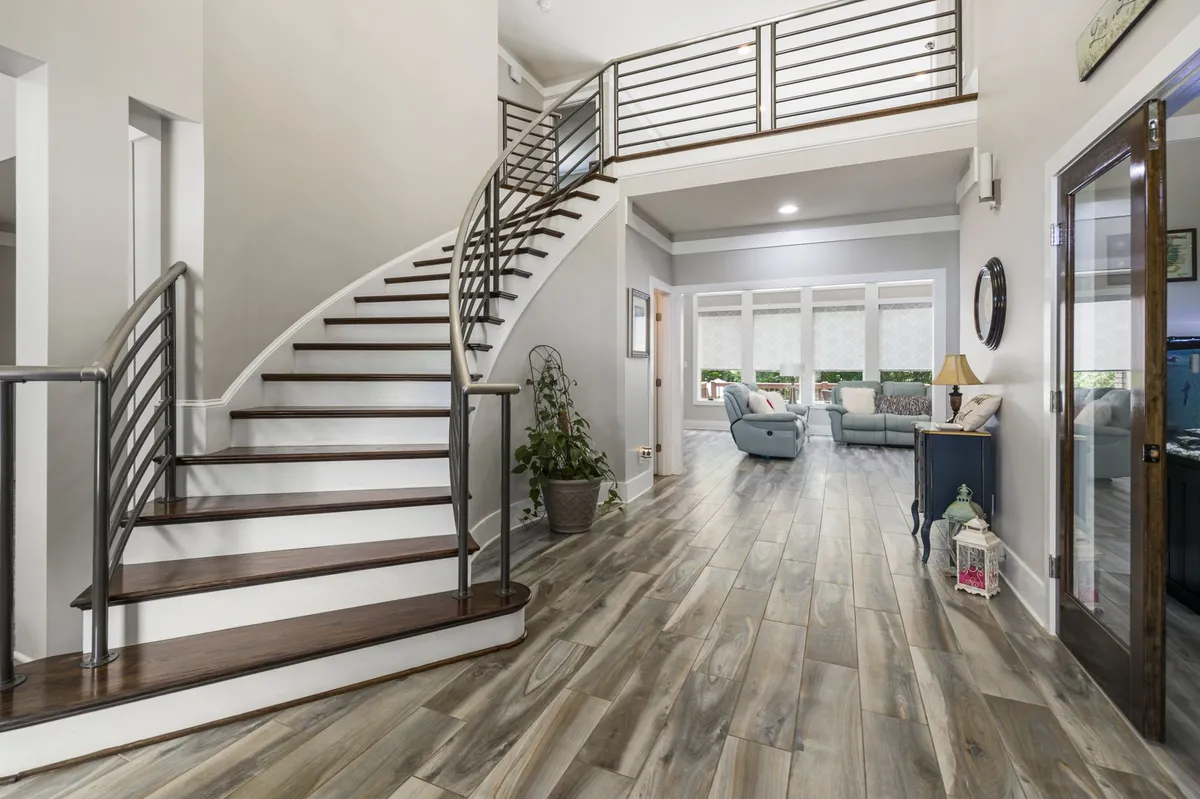
Take the case of Angela and Victor Martino from Denair, California. After raising two daughters in a ranch-style home of less than 2,000 square feet, they made a surprising move: they purchased a 5,000-square-foot home right next door. Victor, now 64, quipped, "We'll downsize when they plant me 6 feet into the ground." Their decision reflects broader trends among retirees who are prioritizing lifestyle, multigenerational living, and personal space over the traditional goal of cutting housing costs.
Understanding the Upsizing Trend
The Martinos are not alone in their choice. According to recent statistics, 7% of homebuyers aged 61 to 70 cited a desire for more space as their reason for purchasing a new home, an increase from 4% just a few years ago. With baby boomers now making up roughly 42% of all homebuyers, they represent the largest segment of the market. This demographic shift has significant implications not only for real estate but also for the financial strategies of those approaching retirement.
Financial Factors Driving the Change
Several financial factors contribute to this trend. Many boomers have seen their home values soar over the decades, giving them substantial equity. Additionally, stock market gains have bolstered their purchasing power, allowing them to afford larger homes without the financial strain that younger generations often experience. Rising interest rates and higher borrowing costs have made it more challenging for younger buyers to enter the market, further solidifying the power of boomers in real estate.
Changing Retirement Mindset
The modern retirement mindset is evolving. Today’s retirees are increasingly focused on how they want to live rather than strictly adhering to financial constraints. Many are investing in homes that can accommodate their lifestyle preferences, including:
- First-floor primary suites for aging in place
- Wider doorways and accessible bathrooms
- Guest suites or accessory dwelling units (ADUs) for family visits
This shift reflects a broader cultural change — families are spending more time together, and remote work has made it easier for adult children and grandchildren to visit. As a result, larger homes are seen not just as a financial burden but as a family hub that fosters connection.

The Financial Implications of Upsizing
While upsizing may align with personal goals and lifestyle changes, it also introduces higher ongoing costs. Larger homes come with increased expenses, including:
- Higher mortgages
- Increased property taxes
- Higher insurance premiums
- More expensive utility bills
- Maintenance costs for larger spaces
These financial commitments can significantly reshape a retiree's budget. In addition, renovations to accommodate accessibility can be costly. Therefore, it’s crucial for those considering an upsizing to conduct a thorough analysis of their financial situation.
Evaluating Your Retirement Plan
Before making a move, retirement planning experts recommend stress-testing your financial situation. This involves assessing whether your income, withdrawal strategy, and long-term goals align with the financial implications of purchasing a larger home. If you decide to move, it’s also essential to review your homeowners insurance, as larger homes typically require higher coverage amounts, which can lead to increased premiums.

Alternative Investment Opportunities
For those who wish to invest in real estate without the responsibilities of homeownership, fractional real estate investment platforms present an attractive option. Companies like Arrived allow individuals to invest in shares of vacation and rental properties, offering a passive income stream for a minimal upfront investment. For accredited investors, private commercial real estate opportunities, such as those offered by Bonaventure, allow for further diversification beyond public equities, focusing on income-producing multifamily properties.
Insurance Considerations
Upsizing can also affect your insurance needs. The average cost of homeowners insurance for a single-family home is around $2,370 annually, with many policyholders experiencing rate hikes. As larger homes typically require more extensive coverage, it’s advisable to shop around for better rates to avoid paying inflated premiums. Online platforms can simplify this process, allowing you to find competitive quotes without the hassle of contacting multiple providers.
Planning for the Future
Ultimately, the decision to upsize in retirement should be made with careful consideration of your overall financial plan. While a larger home can enhance your quality of life and offer space for family gatherings, it can also lock away a significant portion of your wealth in an illiquid asset. This choice can impact your retirement withdrawals, emergency savings, and ability to cover future healthcare expenses.
Engaging with a financial advisor can help you evaluate the long-term costs of upsizing versus alternatives like renovating your current home or relocating to a less expensive market. Services like WiserAdvisor can connect you with vetted professionals who specialize in this area, ensuring that you make informed decisions about your financial future.

Key Takeaways
- Many baby boomers are choosing to upsize rather than downsize in retirement, reflecting a shift in priorities.
- Upsizing can lead to higher ongoing costs, including mortgages, taxes, and insurance.
- Careful financial planning is essential before making any significant housing decisions.
- Investors can explore fractional real estate opportunities as an alternative to traditional homeownership.
- Insurance needs may change with a larger home, necessitating a review of coverage and rates.
Frequently Asked Questions
What are the main reasons boomers are upsizing instead of downsizing?
Baby boomers are increasingly prioritizing lifestyle changes, such as accommodating multigenerational living and creating spaces for family gatherings. Many are financially equipped to make this choice due to rising home values and stock market gains, enabling them to invest in larger homes that suit their evolving needs.
What should I consider before upsizing my home in retirement?
Before upsizing, it's crucial to evaluate your overall financial plan, including how the larger mortgage and increased living expenses will affect your budget. Consider the long-term implications of locking in a large portion of your wealth in real estate and how it may impact your retirement savings and emergency funds.
Are there alternatives to buying a larger home for real estate investment?
Yes, fractional investing platforms like Arrived allow individuals to invest in real estate without the responsibilities of ownership. This can be an effective way to gain exposure to the real estate market and generate passive income without taking on a mortgage or landlord responsibilities.
How can I ensure my homeowners insurance meets my needs after upsizing?
After upsizing, it's essential to review your homeowners insurance policy to ensure it provides adequate coverage for your larger home. Given rising insurance rates, it’s advisable to shop around for quotes and compare different providers to secure the best rates and coverage for your new property.
*This content is for educational purposes only and should not be considered financial advice.
Comments
Navigating Trucking's Tight Capacity and High Rates: What Shippers Need to Know
As trucking rates approach record highs, shippers face an ongoing tight capacity crisis. This article explores the dynamics behind the rising costs and the impacts on the shipping industry.
Related articles
Popular in Mortgages
- Current Mortgage and Refinance Rates: Insights for Homebuyers
- Essential Guide to Refinancing Your Mortgage Before 2026
- New Housing Law Aims to Boost Affordability: What Buyers and Sellers Should Know
- Why Renting May Be a Smarter Choice Than Buying a Home Near Retirement
- The Mortgage Dilemma: Should You Pay Off Your Home Before Retirement?