Navigating Rising Interest Rates: What Consumers Need to Know
As inflation persists, the Federal Reserve's anticipated interest rate hike could significantly impact American consumers. This article explores the implications for loans, savings, and overall financial health.

As the Federal Reserve gears up for what many anticipate will be a quarter-point increase in the federal funds rate, consumers across the United States are bracing for the impact. Rising energy prices and ongoing geopolitical tensions have driven inflation to an annual rate of 3.4%—a significant concern for households already feeling financial pressure. This impending rate hike, the first in over three years, signifies a critical moment for borrowers and savers alike.
The consumer price index (CPI), a broad measure of inflation, has shown persistent growth, prompting Fed Chairman Kevin Warsh to articulate a commitment to returning inflation to the central bank's target of 2%. Such a move could have far-reaching implications for everyday Americans, affecting everything from mortgage rates to credit card interest. In this article, we will unpack the potential effects of rising interest rates and offer practical advice on how to navigate this economic shift.
Understanding the Federal Funds Rate
The federal funds rate is the interest rate at which banks lend money to one another overnight. While consumers do not pay this rate directly, changes to the federal funds rate have a cascading effect throughout the economy. When the Fed decides to raise its benchmark rate, borrowing becomes more expensive for both consumers and businesses, which can slow down economic activity and help control inflation.
The Ripple Effect on Borrowing Costs
For American consumers, higher interest rates mean increased costs across various financial products:
- Mortgages: For many, the implications of a rate hike will be most acutely felt in the housing market. As the federal funds rate increases, the average interest rate on a 30-year fixed mortgage, which recently surpassed 7% for the first time in over a year, could rise even further.
- Auto Loans: New car buyers may also face rising costs, with average annual percentage rates (APRs) expected to increase by approximately 12 basis points following a 25-basis-point Fed rate hike.
- Credit Cards: Credit card rates, which are already above 20%, will likely hit record highs. With variable rates closely tied to the Fed's actions, consumers could see their monthly payments rise within weeks of a rate increase.
- Student Loans: While federal student loan rates are fixed, private student loans often carry variable rates that will increase as the Fed raises rates, adding financial strain to new borrowers.
What This Means for Savers
While rising interest rates present challenges for borrowers, there is a silver lining for savers. Higher rates typically lead to better returns on savings accounts, certificates of deposit (CDs), and other deposit products. Financial experts suggest that consumers explore different banks and credit unions to find the best savings rates available in the current market.
Maximizing Savings in a High-Rate Environment
As interest rates rise, consumers should consider the following strategies to maximize their savings:
- Shop Around: Different institutions offer varying rates on savings products. Take the time to compare options to secure the best return on your deposits.
- Consider Short-Term Investments: With the potential for further rate hikes, short-term investments like CDs can provide attractive yields while maintaining liquidity.
- Utilize High-Yield Savings Accounts: Online banks often offer higher interest rates than traditional brick-and-mortar banks. These accounts can help you earn more on your savings.

Market Reactions and Consumer Outlook
The market's response to the Fed's decisions can vary widely based on how well these actions align with investor expectations. If the Fed communicates its intentions clearly and effectively, it may lead to a more measured market reaction. For instance, if the rate hike is viewed as a necessary measure to control inflation, long-term Treasury yields may stabilize or even decline, potentially softening the blow on mortgage rates.
Adjustable-Rate Mortgages and HELOCs
Homeowners with adjustable-rate mortgages (ARMs) or home equity lines of credit (HELOCs) are particularly vulnerable to the Fed's rate adjustments. ARMs typically adjust once a year after an initial fixed-rate period, while HELOCs can adjust immediately. As the prime rate climbs in response to a federal funds rate hike, borrowers should prepare for increases in their monthly payments.
Advice for Consumers Facing Higher Costs
As consumers navigate these financial changes, it is essential to remain proactive. Here are some steps to consider:
- Review Your Budget: An increase in borrowing costs may necessitate a reevaluation of your budget. Identify areas where you can cut back to accommodate higher monthly payments.
- Pay Down High-Interest Debt: Focus on paying off high-interest debt first, such as credit cards, to minimize the impact of rising rates on your overall financial health.
- Consider Refinancing: If you have a fixed-rate loan, refinancing may not be necessary. However, if you have a variable-rate loan, it might be worth exploring fixed-rate options before rates rise further.

Key Takeaways
- The Federal Reserve is expected to raise interest rates, impacting borrowing costs for consumers.
- Higher rates mean increased costs for mortgages, auto loans, and credit cards.
- Savers can benefit from higher deposit rates and should shop around for the best offers.
- Borrowers with adjustable-rate loans should prepare for potentially higher payments.
- Proactive financial planning is essential in a rising rate environment.
Frequently Asked Questions
How will a Fed rate hike affect my mortgage rate?
While a direct increase in the federal funds rate doesn't automatically lead to higher mortgage rates, it does influence them. The average interest rate on a 30-year fixed mortgage often reacts to changes in the market driven by the Fed's actions. If investors perceive the rate hike as a necessary step to control inflation, mortgage rates could stabilize or even decline, depending on market conditions.
What should I do if I have credit card debt?
If you carry credit card debt, consider prioritizing payments on high-interest cards first. As rates rise, the cost of carrying that debt will increase, leading to higher monthly payments. Creating a repayment plan and reducing discretionary spending can help you manage your debt more effectively.
Are there any benefits to rising interest rates for borrowers?
While rising interest rates primarily increase borrowing costs, they can also lead to higher earnings on savings accounts and other deposit products. This can benefit borrowers who also maintain savings, offering a more favorable interest environment for their deposits.
How can I prepare for potential rate increases?
To prepare for potential rate increases, review your current financial situation, prioritize debt repayment, and consider refinancing options if you have variable-rate loans. Additionally, create a budget that accounts for higher monthly payments on loans and explore high-yield savings accounts to maximize your savings potential.
This content is educational, not financial advice.
Comments
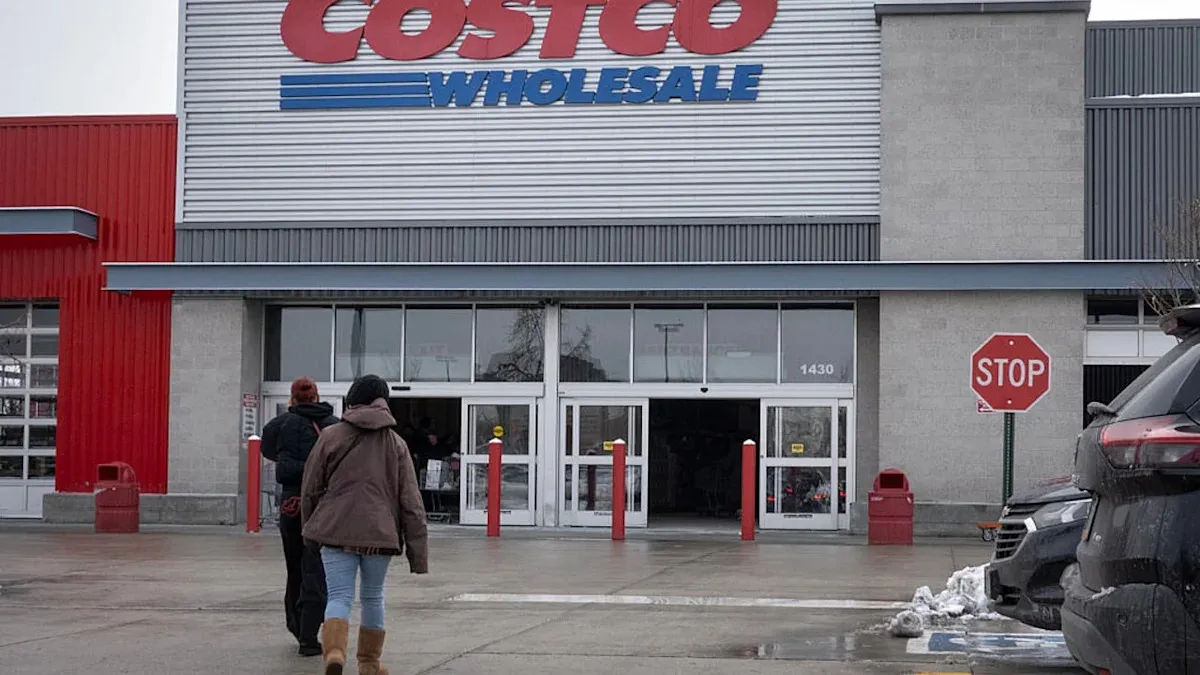
Costco Raises Prices and Rations Kirkland Motor Oil Amid Global Shortage
Costco has increased the price of its Kirkland Signature motor oil to $57.99 and is limiting purchases due to a global lubricant shortage linked to rising crude oil prices. This article explores the implications of these changes for consumers and the broader market.
Related articles

Popular in Personal Loans
- Hardee's Franchisee Files for Chapter 11 Amid Financial Turmoil
- The Hidden Costs of SUVs: Understanding the 'SUV Tax' and Its Impact on Your Wealth
- Spectrum's Workforce Changes Amid Customer Losses: What It Means for You
- How Immigration Policy Changes are Impacting Care Worker Shortages and Family Costs
- Unlocking Wealth: The Potential of Trump Accounts for American Families