Costco Raises Prices and Rations Kirkland Motor Oil Amid Global Shortage
Costco has increased the price of its Kirkland Signature motor oil to $57.99 and is limiting purchases due to a global lubricant shortage linked to rising crude oil prices. This article explores the implications of these changes for consumers and the broader market.
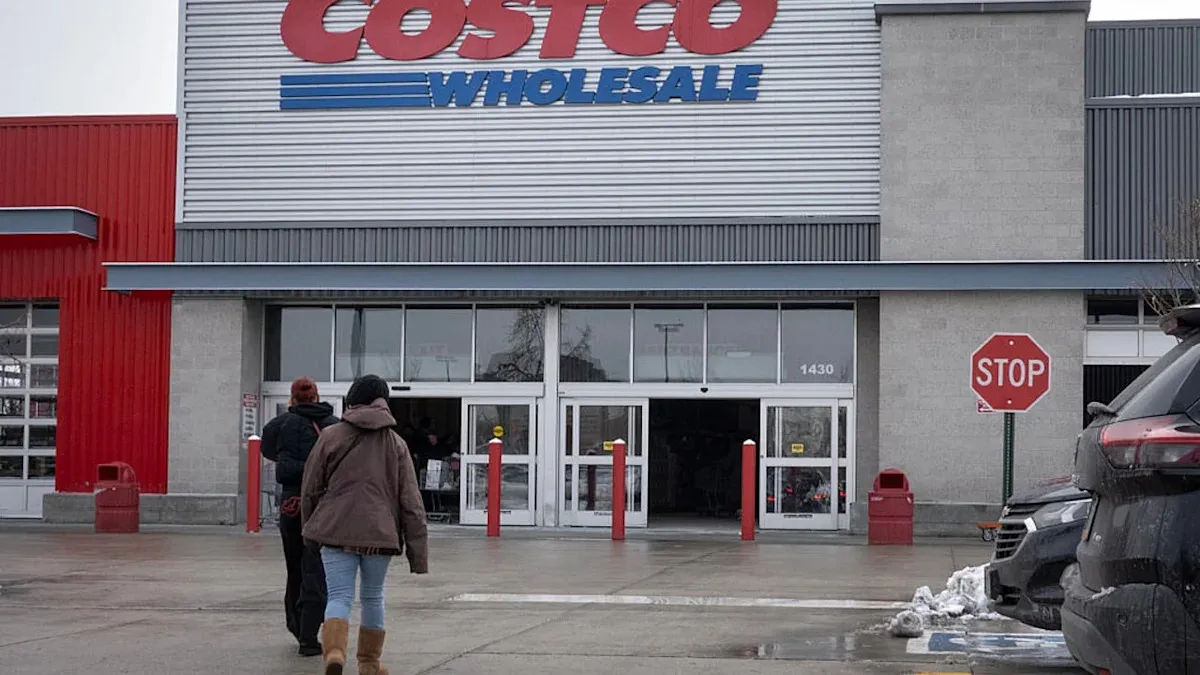
In a surprising move that has left many consumers reeling, Costco has raised the price of its popular Kirkland Signature full-synthetic motor oil to $57.99 for a 10-quart case, up from around $30. Additionally, the retail giant has implemented purchase limits, allowing members to buy only two units per week. This decision comes amidst a backdrop of escalating crude oil prices and a global lubricant supply crisis, primarily driven by geopolitical tensions in the Middle East.
As crude oil approaches the $100 per barrel mark, the ramifications are being felt across the automotive maintenance industry. For many drivers who prefer to change their own oil, the economic benefits of DIY oil changes are rapidly diminishing. This article will delve into the factors contributing to these changes, the implications for consumers, and what it all means for the wider market.

The Catalyst: Global Supply Shortages
The current crisis in the lubricant market is not an isolated incident. A combination of geopolitical tensions, particularly the ongoing U.S.-Iran conflict, and fluctuating oil prices has created a perfect storm. The International Energy Agency (IEA) recently revised its global oil supply forecast for 2026, estimating a shortfall of 1.8 million barrels per day in the third quarter of this year. This represents a significant increase from previous estimates, highlighting the severity of the situation.
Refinery Dynamics
Refiners are faced with tough decisions regarding how to allocate their resources. With margins on finished fuels such as gasoline and diesel remaining high, there is a financial incentive to prioritize fuel production over lubricants. The gasoline crack spread, which is the difference between the price of crude oil and the price of gasoline, has risen significantly this year, further squeezing the availability of base oils needed for lubricant production.

Costco’s Response: Price Hikes and Rationing
Costco's decision to raise prices and limit purchases reflects the pressures they face from rising costs of production and supply shortages. The Kirkland 5W-30 motor oil not only requires raw materials but also must meet specific regulatory standards. For example, to achieve the dexos1 Gen 3 certification, manufacturers must undertake extensive testing and pay licensing fees to General Motors. This adds another layer of expense that is likely passed down to consumers.
Comparative Pricing
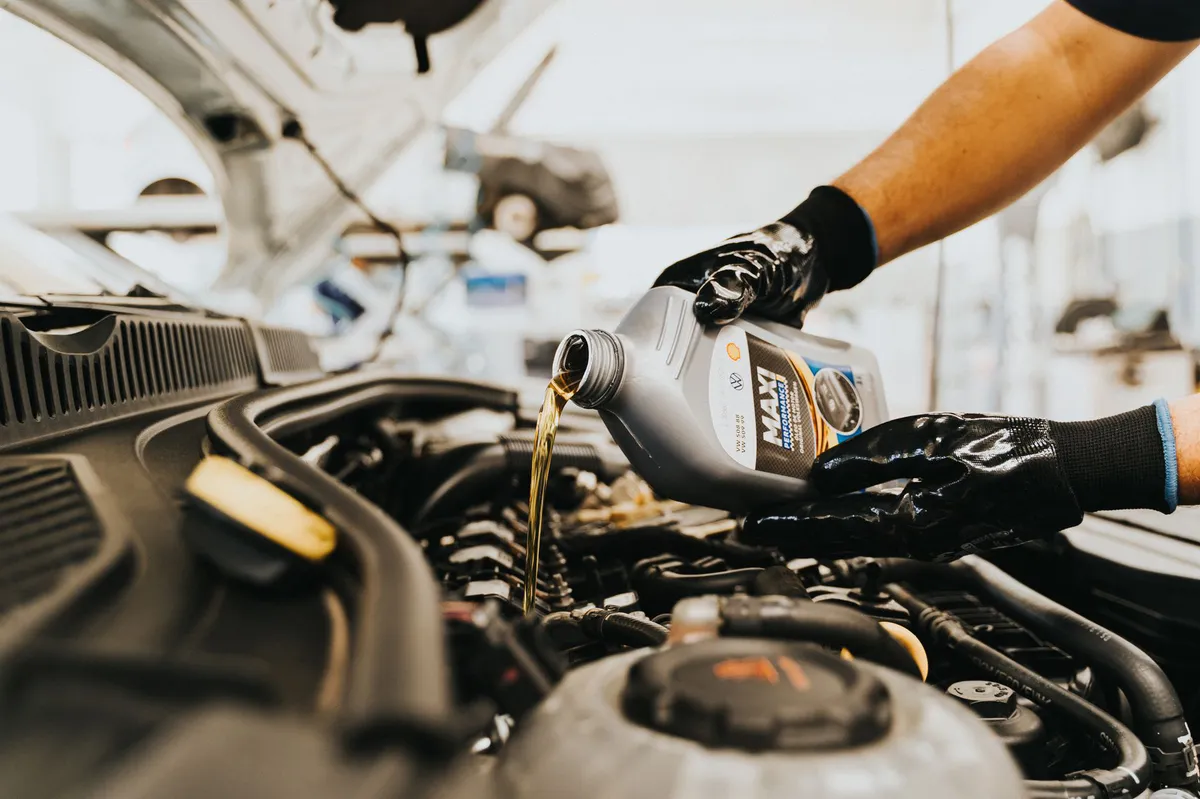
The new price point at Costco also presents a dilemma for consumers who traditionally relied on DIY oil changes as a cost-saving measure. At $57.99 for a 10-quart case of Kirkland oil, the cost of changing your own oil is approaching what you would pay at a local independent shop. This is a stark contrast to previous years, where the savings associated with self-service oil changes were a major selling point.
- Cost increase: Kirkland motor oil now costs $57.99 for 10 quarts.
- Purchase limits: Two units per member, per week.
- Regulatory fees: Additional costs due to certification requirements.
- Market dynamics: High fuel prices influencing lubricant production.
- DIY economics: Cost of self-service oil changes nearing shop prices.
Broader Economic Implications
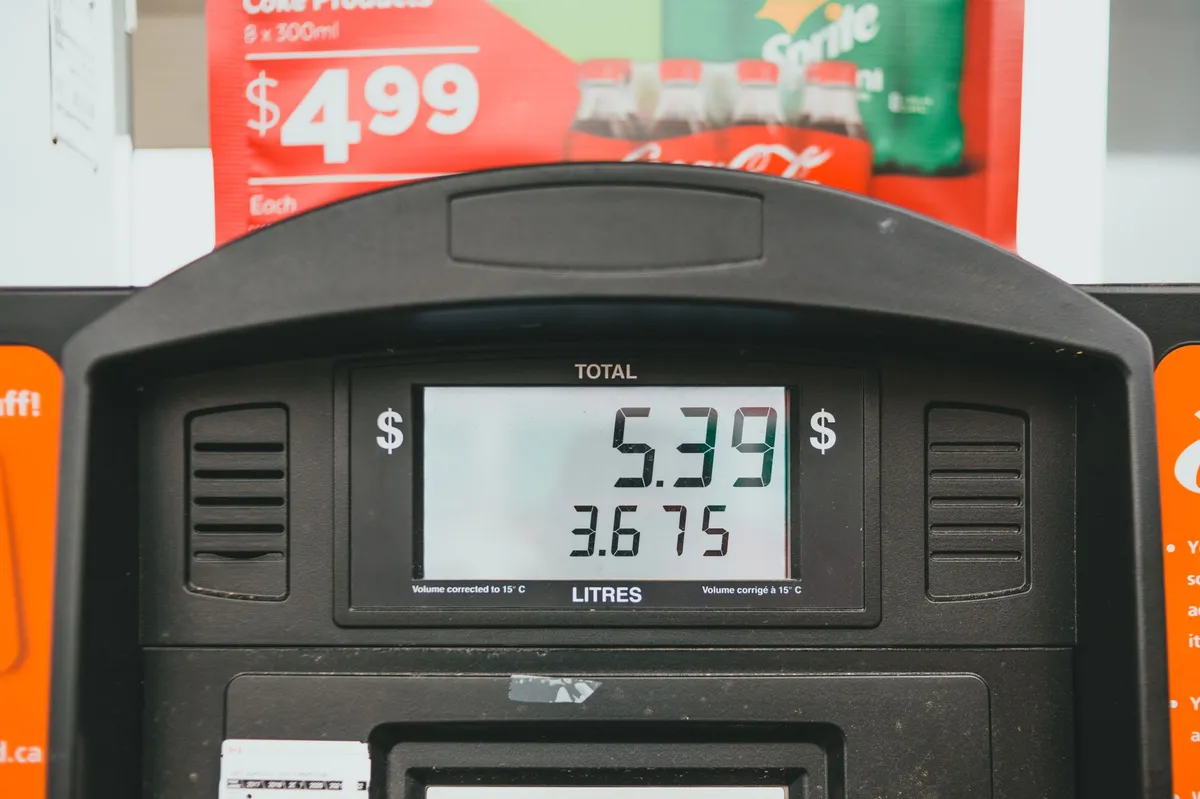
The broader economic implications of this situation extend beyond just motor oil. Rising diesel prices, which recently crossed the $6 per gallon mark, are indicative of how interconnected these markets are. As oil prices rise, so do costs for transportation, manufacturing, and ultimately, consumer goods. The cumulative effect of these price increases can lead to higher inflation rates, impacting everything from groceries to utilities.
Consumer Behavior Changes
As consumers adapt to these changes, many may reconsider their automotive maintenance strategies. For some, the rising costs may push them to seek professional services, while others might choose to delay maintenance altogether, potentially leading to larger issues down the road. Understanding the economic landscape is crucial for making informed decisions in this evolving market.
Key Takeaways
- Costco has increased the price of Kirkland motor oil to $57.99 amid a global lubricant shortage.
- Purchase limits are now in place, allowing members to buy only two units per week.
- The lubricant market is facing challenges from rising crude oil prices and regulatory costs.
- DIY oil changes are becoming less economical compared to professional services.
- Higher oil prices are contributing to broader inflation in consumer goods.
Frequently Asked Questions
Why is there a shortage of motor oil?
The current shortage of motor oil is primarily due to a global supply crisis exacerbated by geopolitical factors, including the ongoing U.S.-Iran conflict. As crude oil prices rise, refiners prioritize fuel production over lubricants, leading to decreased availability of base oils needed for motor oil manufacturing. This scarcity is compounded by strict regulatory requirements that increase production costs.
What does the price increase mean for consumers?
The price increase means that consumers will face higher costs for motor oil, which may lead them to reconsider their maintenance strategies. DIY oil changes, once seen as a cost-effective solution, are becoming less appealing as prices approach those charged by professional shops. This shift could result in more drivers opting for services rather than handling oil changes themselves.
How can consumers save money on oil changes?
To save money on oil changes, consumers may want to consider timing their purchases to take advantage of sales or discounts, purchasing in bulk when prices are favorable, or exploring alternative brands that may offer competitive pricing. Additionally, many local shops may offer loyalty programs or packages that can reduce the overall cost of routine maintenance.
What are the long-term implications of rising oil prices?
Long-term implications of rising oil prices could include sustained inflationary pressures on consumer goods, increased transportation costs, and shifts in consumer behavior. As families adjust their budgets to accommodate higher gasoline and diesel prices, spending in other areas may decline, potentially affecting overall economic growth.
This content is educational, not financial advice.
Comments
Navigating Rising Interest Rates: What Consumers Need to Know
As inflation persists, the Federal Reserve's anticipated interest rate hike could significantly impact American consumers. This article explores the implications for loans, savings, and overall financial health.

Related articles

Popular in Personal Loans
- Hardee's Franchisee Files for Chapter 11 Amid Financial Turmoil
- The Hidden Costs of SUVs: Understanding the 'SUV Tax' and Its Impact on Your Wealth
- Spectrum's Workforce Changes Amid Customer Losses: What It Means for You
- How Immigration Policy Changes are Impacting Care Worker Shortages and Family Costs
- Unlocking Wealth: The Potential of Trump Accounts for American Families