5 Hidden Financial Traps That Sabotage Your Wealth
Discover five common financial pitfalls that can drain your budget and hinder your wealth-building efforts. Learn how to recognize and escape these traps today.

In today’s fast-paced world, it’s easy to become complacent about our finances. Many individuals focus on setting up automatic contributions to their 401(k) or maintaining a steady savings regimen while overlooking subtle, yet detrimental, financial traps that can drain their budgets and erode their wealth over time. Understanding these traps is crucial for anyone looking to build a secure financial future. Below, we’ll delve into five common financial pitfalls, exploring their implications and offering actionable strategies to help you navigate your financial landscape more effectively.
Understanding Emergency Funds and High-Yield Savings Accounts
Building an emergency fund is a commendable first step in financial planning. However, the effectiveness of that fund can be significantly diminished if it’s kept in a traditional savings account with a low interest rate. Many individuals celebrate reaching their emergency fund goal, yet they fail to consider the impact of inflation on their savings.
The Case for High-Yield Savings
High-yield savings accounts offer a competitive interest rate, which helps your emergency savings keep pace with inflation. For instance, if you have $10,000 in a regular savings account earning 0.01% interest, you’ll only earn $1 in interest annually—barely enough to offset inflation. In contrast, a high-yield savings account offering 2% interest would yield $200 annually, providing a more robust cushion for unexpected expenses.
When your emergency fund earns interest, it not only grows without requiring additional contributions but also allows for more flexibility in your financial planning. You can choose to leave the extra earnings as a buffer or redirect them toward investments or retirement savings. To maximize your emergency fund, it’s wise to evaluate your current account’s interest rate against available high-yield options.

Recognizing and Managing Lifestyle Creep
Lifestyle creep occurs when your spending increases as your income rises. While it’s natural to want to enjoy the fruits of your labor, failing to monitor your spending can lead to financial instability. Many people find themselves living paycheck to paycheck despite earning more, often because their spending habits have escalated in tandem with their income.
Intentional Spending vs. Budgeting
To combat lifestyle creep, it’s essential to establish a budget that reflects both your financial goals and your current lifestyle. Tools like budgeting apps can provide clarity on your spending patterns, helping you identify areas where you can cut back. For example, if you’ve started dining out more frequently, consider designating a specific amount for entertainment expenses each month and sticking to that limit.
- Track spending using budgeting apps like **Mint** or **YNAB** (You Need A Budget).
- Set clear financial goals to direct your spending meaningfully.
- Review and adjust your budget regularly to adapt to changing circumstances.

The Subscription Economy: A Hidden Drain on Your Finances
Subscriptions have become ubiquitous in our daily lives, from streaming services to meal kits. While convenient, they can also lead to unnecessary expenses if not carefully monitored. The average American spends over $200 per month on subscriptions, which translates to an astounding $2,400 annually—a sum that could be better allocated toward savings or investments.
Conducting a Subscription Audit
It’s vital to regularly assess your subscription services. Taking just 30 minutes each year to review your subscriptions can uncover forgotten payments and help you identify services that no longer provide value. Consider canceling subscriptions that you rarely use or that have increased in price without offering additional benefits. Redirect the funds saved from these subscriptions into your emergency fund, retirement account, or other investment opportunities.

The Perils of Being Too Risk-Averse
For many, the instinct to avoid risk can lead to a different type of financial trap—too much cash in low-risk assets. While it’s prudent to maintain an emergency fund, over-allocating to cash can limit wealth growth potential. Individuals often feel secure with their savings parked in low-yield accounts, but this approach can hinder long-term financial objectives.
Investing Beyond Your Comfort Zone
To enhance wealth-building, consider diversifying your investments. For funds you won't need for several years, explore options like stocks or mutual funds that can offer higher returns. If you’re hesitant to make investment decisions, consulting a certified financial planner can provide personalized advice and risk management strategies tailored to your comfort level. A planner can help you understand the balance between risk and reward and develop a diversified portfolio that aligns with your financial goals.
Shared Financial Responsibility: A Must for Couples
In many households, one partner often takes on the bulk of financial decision-making, which can create significant disparities in financial literacy and responsibility. Whether in a dual-income or single-income family, both partners should be involved in financial discussions to ensure transparency and preparedness.
The Importance of Financial Literacy
When one spouse is solely responsible for finances, it can lead to relational strain and a lack of preparedness in the event of an unexpected loss. It’s crucial for both partners to be informed about their financial situation, including debts, investments, and budgeting. Regular discussions about finances can foster a sense of teamwork and ensure that both partners are aligned in their financial goals. Consider setting aside time for monthly financial check-ins to review budgets, discuss goals, and make joint decisions.

Key Takeaways
- Emergency Funds: Ensure your emergency fund is in a high-yield savings account to combat inflation.
- Lifestyle Creep: Monitor your spending habits to prevent lifestyle creep and stick to a budget.
- Subscription Audit: Conduct annual audits of your subscriptions to eliminate unnecessary expenses.
- Investment Strategy: Don’t shy away from risk; consider diversifying your investments for greater long-term growth.
- Shared Responsibility: Both partners should be involved in financial decision-making to ensure informed choices and preparedness.
Frequently Asked Questions
What is the best way to start an emergency fund?
Starting an emergency fund involves setting a clear savings goal, ideally aiming for three to six months’ worth of living expenses. Begin by opening a dedicated high-yield savings account to maximize interest earnings. Automate monthly contributions to this account, treating it like a recurring bill, to ensure consistent growth over time.
How can I avoid lifestyle creep?
Avoiding lifestyle creep requires conscious awareness of your spending habits. Create a budget that reflects your financial priorities, and regularly review it to identify areas of unnecessary spending. Set specific goals for how you want to allocate any increase in income, ensuring that a portion is directed towards savings or investments rather than simply increasing discretionary spending.
How often should I review my subscriptions?
It’s advisable to conduct a subscription audit at least once a year. During this review, assess all recurring payments, consider the value you receive from each service, and cancel those that no longer serve your needs. This practice can free up funds that can be better utilized for savings or other financial goals.
What are some ways to be more comfortable with investing?
Becoming comfortable with investing often requires education and gradual exposure. Start by learning about different investment vehicles and their associated risks. Consider beginning with low-cost index funds or ETFs, which offer diversification with lower risk. Engaging with a financial advisor can also provide tailored advice and help you develop a personalized investment strategy that aligns with your risk tolerance.
Disclaimer: The content is educational, not financial advice.
Comments
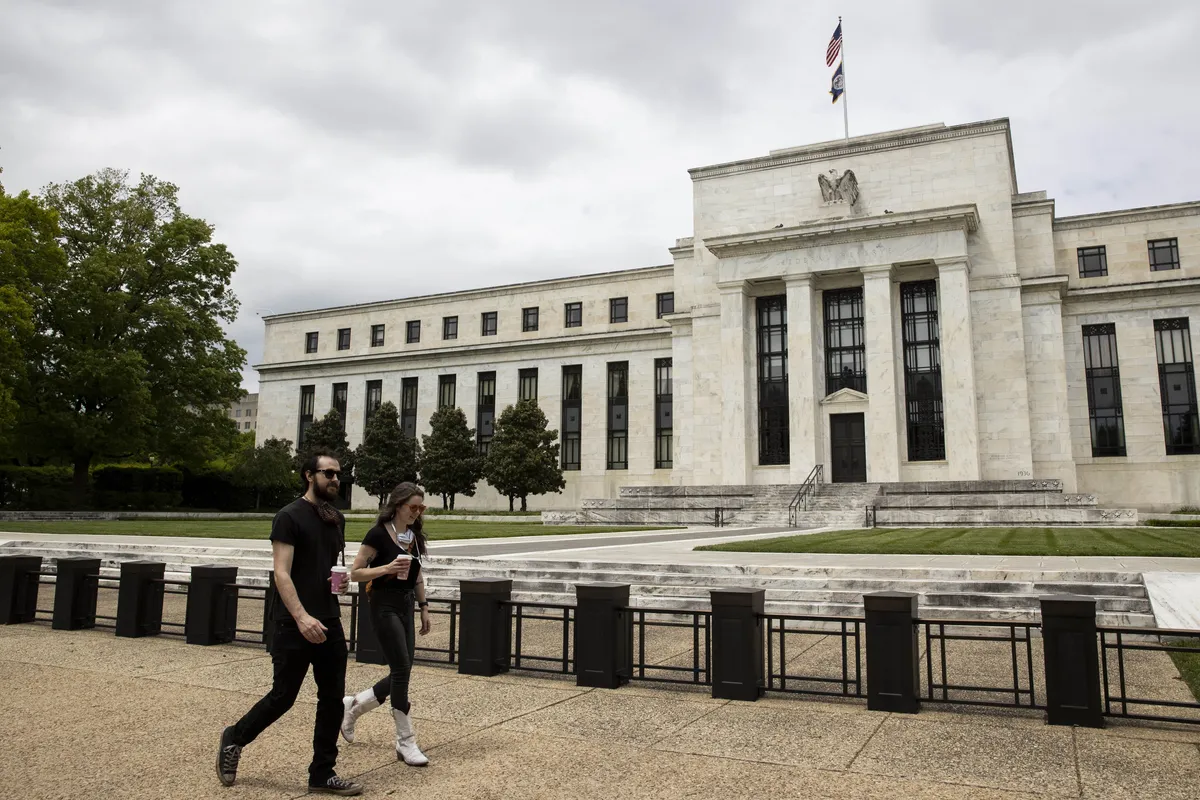
Understanding the Fed's Rate Hike: Impacts on Personal Finance
The recent Federal Reserve interest rate hike will have significant effects on credit cards, mortgages, and savings accounts. This article breaks down what it means for you.
Related articles

Popular in Personal Loans
- Hardee's Franchisee Files for Chapter 11 Amid Financial Turmoil
- The Hidden Costs of SUVs: Understanding the 'SUV Tax' and Its Impact on Your Wealth
- Spectrum's Workforce Changes Amid Customer Losses: What It Means for You
- How Immigration Policy Changes are Impacting Care Worker Shortages and Family Costs
- Unlocking Wealth: The Potential of Trump Accounts for American Families