Understanding the Fed's Rate Hike: Impacts on Personal Finance
The recent Federal Reserve interest rate hike will have significant effects on credit cards, mortgages, and savings accounts. This article breaks down what it means for you.
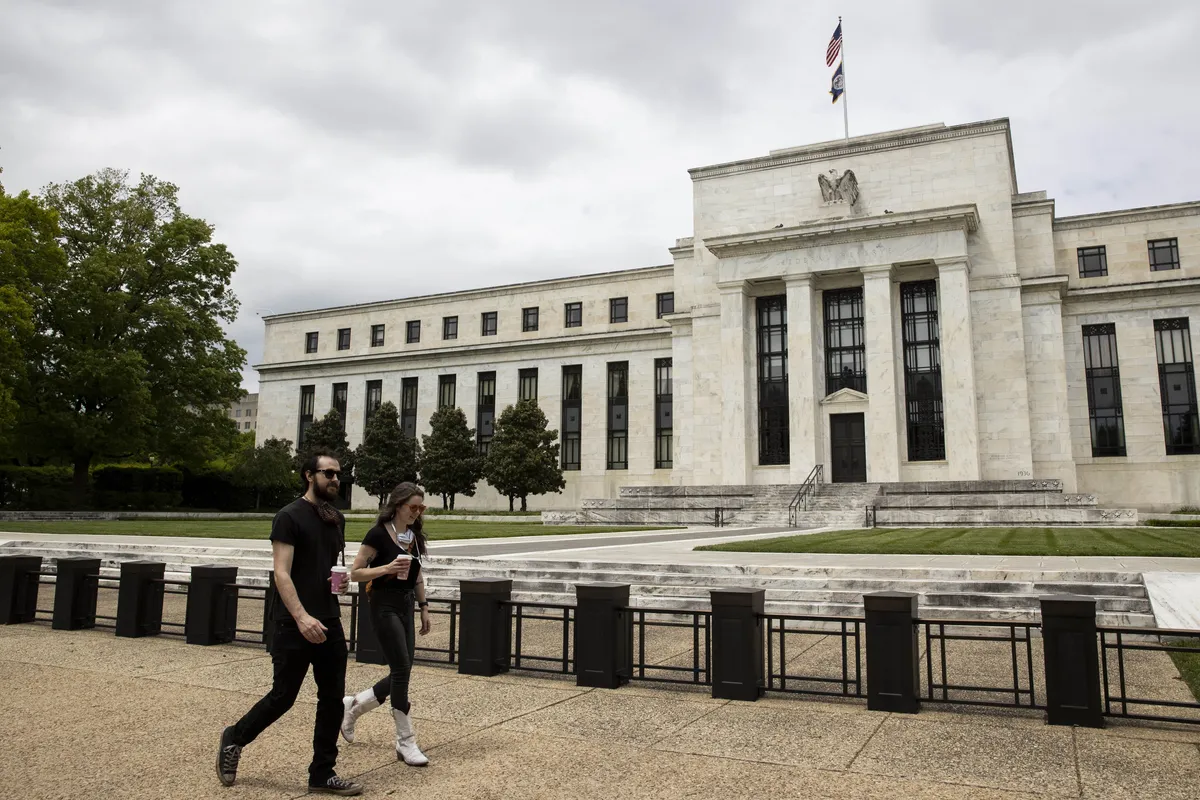
In a decisive move aimed at combating inflation, the Federal Reserve has raised its benchmark interest rate by a quarter percentage point, bringing the target range to 3.75% to 4.0%. This decision, made by the Federal Open Market Committee (FOMC) under the leadership of Chairman Kevin Warsh, responds to continued pressures on consumer prices, which have seen an uptick amidst geopolitical tensions and economic uncertainties. As this development unfolds, its implications will echo across various aspects of personal finance, affecting everything from credit cards and auto loans to savings accounts.
The federal funds rate is a critical lever in the U.S. economic landscape, influencing how banks borrow and lend money overnight. While consumers may not directly interact with this rate, the decisions made by the Fed set off a series of reactions that ultimately translate into the rates consumers encounter for loans, mortgages, and savings. In essence, a rate increase does not just raise the cost of borrowing; it reshapes the entire economy by altering consumer behavior, spending, and saving habits.
The Connection Between Fed Rates and Consumer Borrowing
When the Federal Reserve adjusts the federal funds rate, it primarily affects short-term borrowing costs. The prime rate, which is often just a few percentage points above the federal funds rate, serves as a benchmark for various consumer loans, including credit cards, personal loans, and certain types of mortgages. As a result, a rise in the federal funds rate signals an imminent increase in the prime rate, which then trickles down to consumers.
Immediate Effects on Credit Cards
Credit cards are typically issued with variable interest rates, meaning they are directly influenced by the prime rate. According to Matt Schulz, chief consumer finance analyst at LendingTree, cardholders can expect their annual percentage rates (APRs) to increase by approximately a quarter-point within the next billing cycles following the Fed's hike. This translates to roughly $2 billion in additional interest charges for credit card users over the next year, as analyzed by WalletHub.
For individuals already grappling with credit card debt, this increase is particularly unwelcome. For example, if a consumer has a credit card balance of $5,000 at an APR of 18%, the additional quarter-point rise would add about $1.25 to their monthly payment. While this might seem minimal, it can become a burden for those already struggling to manage their debt.

Impact on Mortgages: Fixed vs. Adjustable Rates
When it comes to mortgages, the landscape is a bit more complex. Fixed-rate mortgages, such as 15- and 30-year loans, do not react immediately to changes in the federal funds rate. Instead, they are more closely tied to the yield on the 10-year Treasury note, which fluctuates based on investor sentiment about inflation and economic growth.
Adjustable-Rate Mortgages and HELOCs
Conversely, adjustable-rate mortgages (ARMs) and home equity lines of credit (HELOCs) are directly affected by the Fed's actions. Most ARMs adjust annually, while HELOCs can adjust immediately. If the prime rate rises as anticipated, borrowers with ARMs will see their monthly payments increase. For instance, if a homeowner has an ARM and their rate adjusts upward by a quarter-point, their monthly payment could rise by approximately $30 on a $300,000 mortgage.
Moreover, with the average mortgage amount hovering around $389,367 and current rates around 6.78%, a quarter-point increase in mortgage rates could add about $65 to monthly payments. Thus, while fixed-rate borrowers may have a temporary reprieve, new homebuyers or those with ARMs may face rising costs.

Auto Loans and Other Consumer Financing
Auto loans also fall into the category of consumer financing that will feel the pinch from higher interest rates. Although the interest rate on existing auto loans is locked in at the time of purchase, new loans will see increased rates as lenders adjust to the Fed's hike. Joseph Yoon from Edmunds notes that even a small quarter-point increase can add a few dollars more to monthly payments on a typical $40,000 loan.
However, the broader context reveals a more concerning trend. Auto loan rates are already at multi-year highs, compounded by new vehicle prices averaging around $50,000. This means that prospective car buyers may be facing significant financial pressure, especially when combined with the rising costs of living.
Effects on Savings Accounts and Investments
While the impact of the Fed's interest rate hike is predominantly felt by borrowers, savers may find a silver lining. Although the Fed does not dictate deposit rates, they tend to follow the movements in the federal funds rate. Higher rates generally lead to better returns on savings accounts and certificates of deposit (CDs).
Maximizing Savings Potential
For consumers looking to make the most of their savings, this is an opportune time to shop for high-yield savings accounts or CDs. While returns may not match the record levels seen in previous years, they are still historically strong. As Schulz mentions, the rate hike signals that returns are likely to improve in the near future, making it an ideal time for consumers to reassess their savings strategies.

Key Takeaways
- The Fed's recent interest rate hike will likely raise borrowing costs across various sectors, including credit cards and loans.
- Savers can benefit from higher interest rates on savings accounts and CDs, but borrowers will face increased payments.
- Fixed-rate mortgages are insulated from immediate changes, while ARMs and HELOCs will adjust more quickly.
- Auto loan rates are already high; prospective buyers should be aware of additional costs from the rate hike.
- Consumers should evaluate their financial strategies in light of changing interest rates.
Frequently Asked Questions
What is the federal funds rate, and why does it matter?
The federal funds rate is the interest rate at which banks lend money to each other overnight. It is a primary tool used by the Federal Reserve to control monetary policy and manage inflation. Changes to this rate influence borrowing costs for consumers, impacting everything from loans to credit cards and savings accounts.
How will the rate hike affect my credit card payments?
With the Fed's interest rate hike, consumers can expect their credit card APRs to rise by about a quarter-point within the next billing cycles. This means that if you carry a balance on your credit card, your interest payments will increase, potentially making it more expensive to manage existing debt.
Will mortgage rates increase immediately due to the Fed's rate hike?
Fixed-rate mortgages will not be directly affected immediately by the Fed's rate hike, as they are linked to the 10-year Treasury note. However, new mortgage rates may rise due to increasing bond yields influenced by inflation expectations. Borrowers with ARMs or HELOCs will see more immediate adjustments to their rates.
What should I do to prepare for rising interest rates?
Consumers should evaluate their financial situations, particularly any outstanding debts. It may be wise to consider consolidating high-interest debt or refinancing loans while rates are still relatively low. Additionally, this is a good time to explore high-yield savings accounts to maximize returns on savings.
This content is for educational purposes only and is not financial advice.
Comments
5 Hidden Financial Traps That Sabotage Your Wealth
Discover five common financial pitfalls that can drain your budget and hinder your wealth-building efforts. Learn how to recognize and escape these traps today.
Related articles

Popular in Personal Loans
- Hardee's Franchisee Files for Chapter 11 Amid Financial Turmoil
- The Hidden Costs of SUVs: Understanding the 'SUV Tax' and Its Impact on Your Wealth
- Spectrum's Workforce Changes Amid Customer Losses: What It Means for You
- How Immigration Policy Changes are Impacting Care Worker Shortages and Family Costs
- Unlocking Wealth: The Potential of Trump Accounts for American Families